Is your back hurting even though you barely did anything? Your daily routine might be to blame. While we often focus more on our skin, hair, or diet, there’s one part of the body involved in almost every move we make that often gets overlooked: our spine. It supports our body, helps us sit, bend, and twist, and neglecting it can lead to painful consequences.
“Everyday habits can contribute to spine pain,” says Dr. Robert Mancuso, a spine specialist.
Recently, Well + Good, with expert insights, highlighted that recognizing these habits lets us consciously improve them, helping prevent or ease back pain. Here’s exactly what to watch out for.
1. Slouching at Your Desk
Many of us spend hours sitting in front of a computer daily, but slouching while doing so puts serious strain on the spine.
“Slouching doesn’t directly harm the spine, but it weakens your core muscles, tightens hip flexors, and increases pressure on your discs,” explains pain specialist Dr. Ammar Divan.
The fix: Sit right—feet flat on the floor, monitor at eye level, and back straight. “Imagine a string pulling the top of your head upward,” advises physical therapist Lindsy Jackson. If your chair isn’t supportive enough, use lumbar support, and stand up to move around every 30 minutes.

2. Lifting with Poor Technique
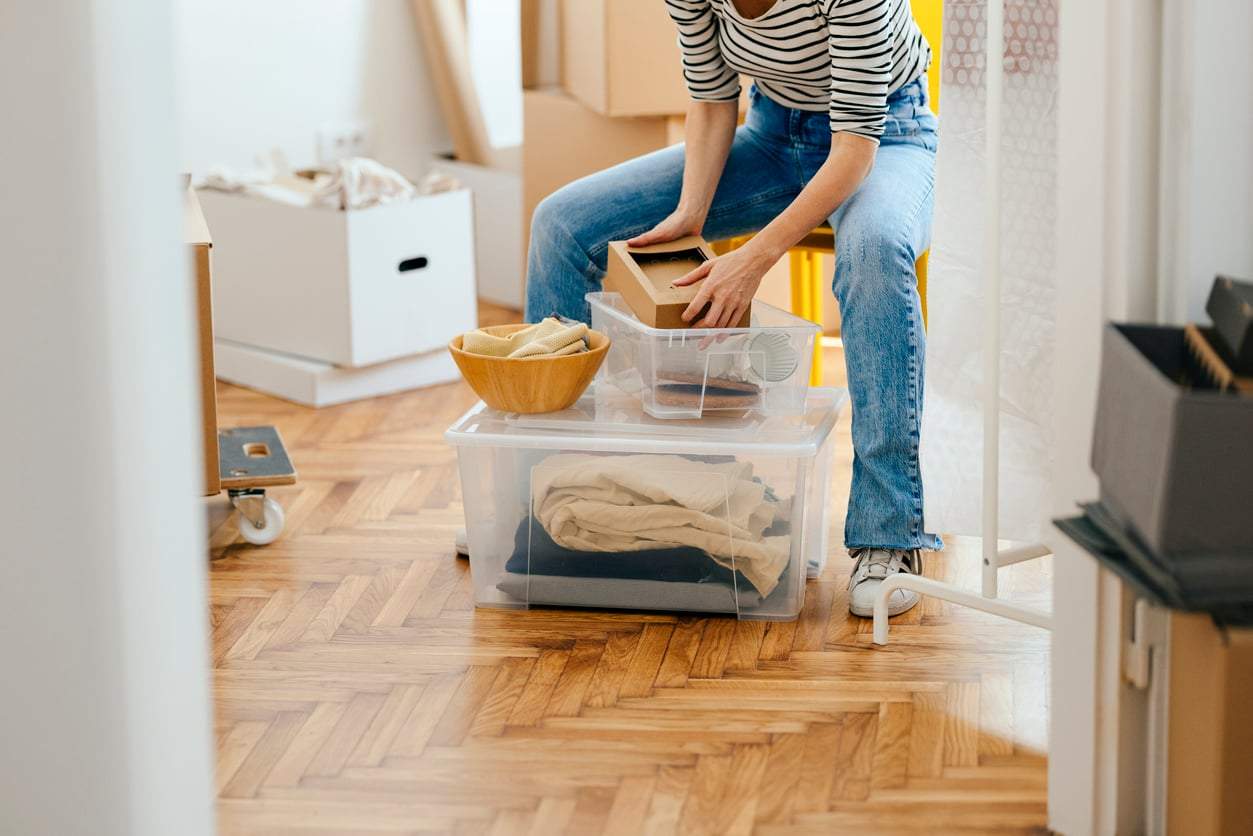
It’s not just the gym where bad moves happen: lifting kids, a full laundry basket, or grocery bags can cause trouble if done incorrectly.
“Lifting while bending or twisting can easily lead to lower back pain,” warns Dr. Jackson.
The fix: Always bend your knees, not your waist, and keep the weight close to your body. “Instead of lifting with your back, lower your center of gravity by bending your knees and lift with your legs,” says Dr. Divan.
3. Constant Phone Staring
We know too much screen time isn’t great for our health, but did you know it can specifically strain your spine?
“Looking down for long periods causes neck flexion that overloads the spine over time,” says Dr. Divan. “It’s like hanging a bowling ball from your neck all day,” adds Dr. Jackson.
The fix: Take breaks and raise your phone to eye level whenever possible. In the evening, try simple neck exercises. “Pull your chin back like you have a double chin—it looks funny but works,” says Dr. Jackson.
4. Carrying Heavy Bags Incorrectly
A heavy bag doesn’t just drag your shoulder down; it also unevenly stresses your spine.
“Heavy bags or laptops slung over one shoulder put one-sided strain on your body, overworking your back muscles,” warns Dr. Divan.
The fix: “If you use a backpack, wear both straps—even if it’s not the trendiest look,” advises Dr. Jackson. Also, regularly lighten your load and switch sides if you carry a one-shoulder bag.
5. Choosing the Wrong Shoes
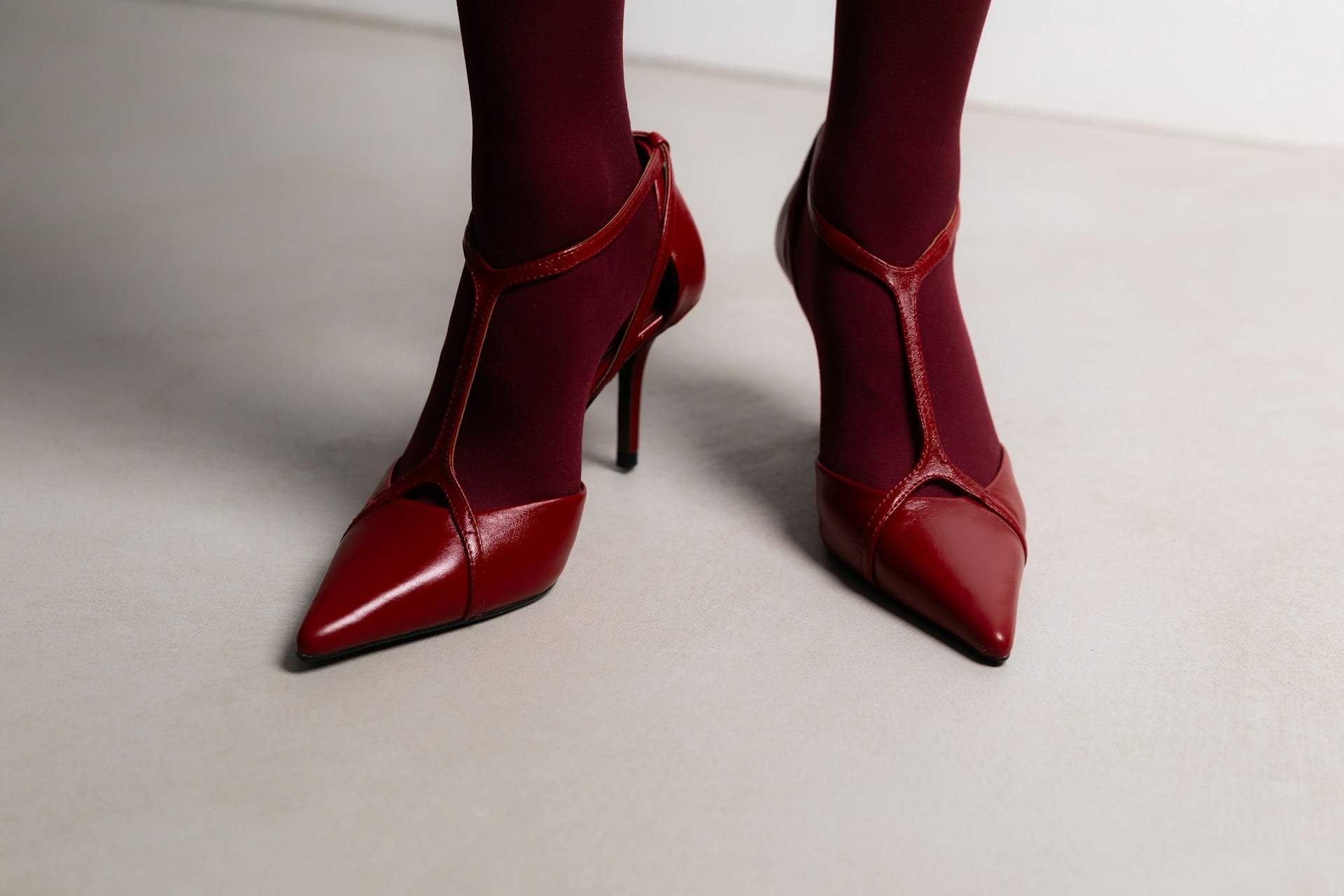
High heels don’t just strain your feet—they can also take a toll on your back. A 2024 study found that every two hours in heels raised back pain by one point on a 0–10 scale.
“High heels put your feet in unnatural positions, shifting your spine’s proper alignment,” says Dr. Mancuso.
The fix: Look for shoes with gentle arch support and a neutral heel height (no big difference between heel and toe). If you wear heels, take them off every few hours.

6. Sleeping on Your Stomach
Many love sleeping on their stomach, but this position can strain your spine and neck.
“Stomach sleeping or using the wrong pillow can leave you waking up with a sore back,” says Dr. Jackson.
The fix: Experts recommend sleeping on your back or side. “If you sleep on your side, place a pillow between your knees; if on your back, put one under your knees,” advises Dr. Jackson. Choose a pillow that keeps your neck in a neutral position.
Extra Tips for a Spine-Friendly Life
Want to do even more for your back’s health? These habits can help:
- Move regularly: Sitting long puts pressure on your lower back. “Your glutes act like melted marshmallows,” says Dr. Jackson. Aim for at least 150 minutes of moderate activity weekly—dance, walk, yoga—whatever you love!
- Strengthen your core: “Strong core muscles help reduce lower back pain,” says Dr. Divan. Just 15 minutes a day of plank, bird-dog, bridge, or side plank can make a difference.
- Stretch each morning: “Start your day with a good stretch,” advises Dr. Divan. Cat-cow stretches, torso twists, and especially hamstring stretches—tight hamstrings often cause back pain.
- Maintain good posture: Imagine wearing a crown: “Keep your neck long, spine straight, and shoulders relaxed,” says Dr. Jackson.
- Invest in ergonomic gear: A good chair and a well-set monitor are priceless. “An ergonomic workstation assessment can help a lot if available—your future self will thank you,” adds Dr. Jackson.
When to See a Doctor
If your pain doesn’t ease within a few weeks or you notice any of these symptoms, don’t delay a medical visit:
- Pain disrupts sleep or daily routine,
- ice, heat, or stretching don’t help,
- pain radiates into your arms or legs,
- numbness, weakness, or tingling occurs,
- bending, walking, or moving becomes difficult,
- changes in bladder or bowel control,
- fever, weight loss, or night pain accompany symptoms
“You don’t have to be a hero—if you’re unsure, see a professional,” encourages Dr. Jackson.