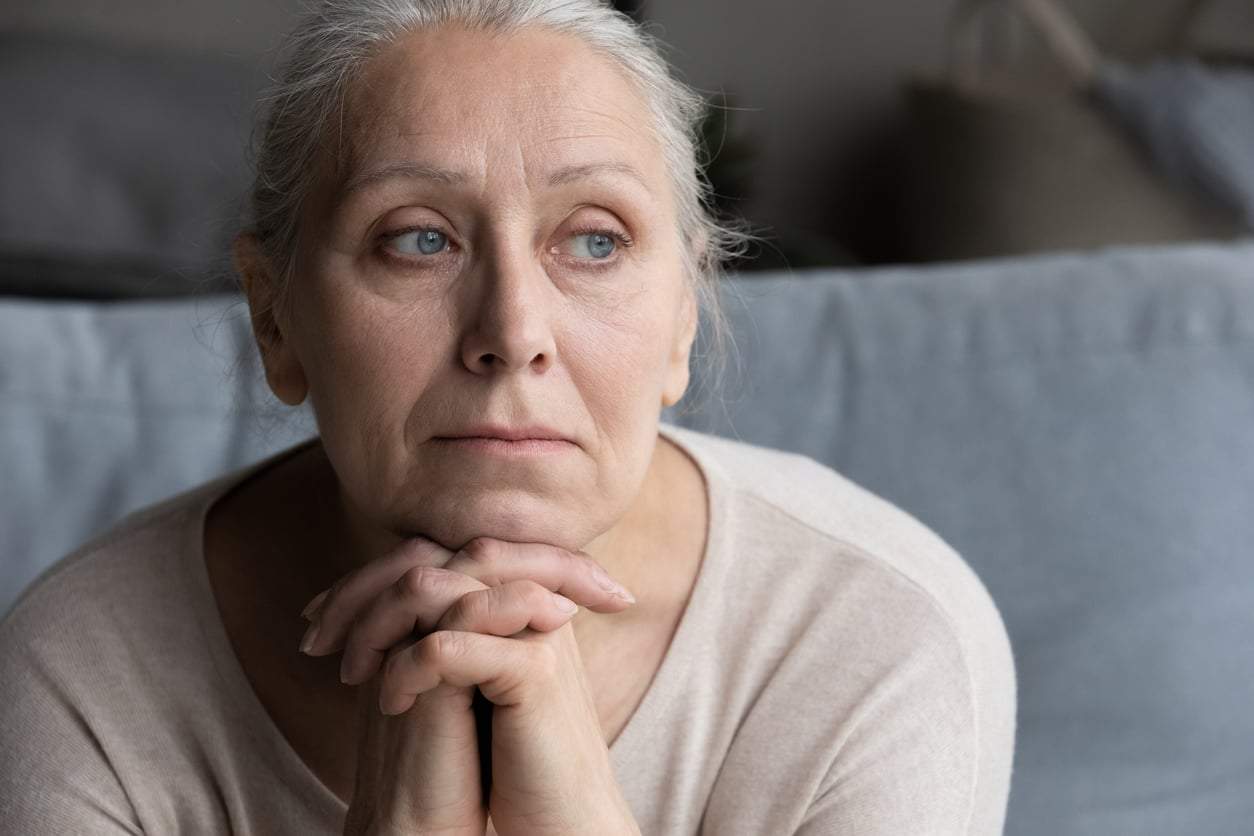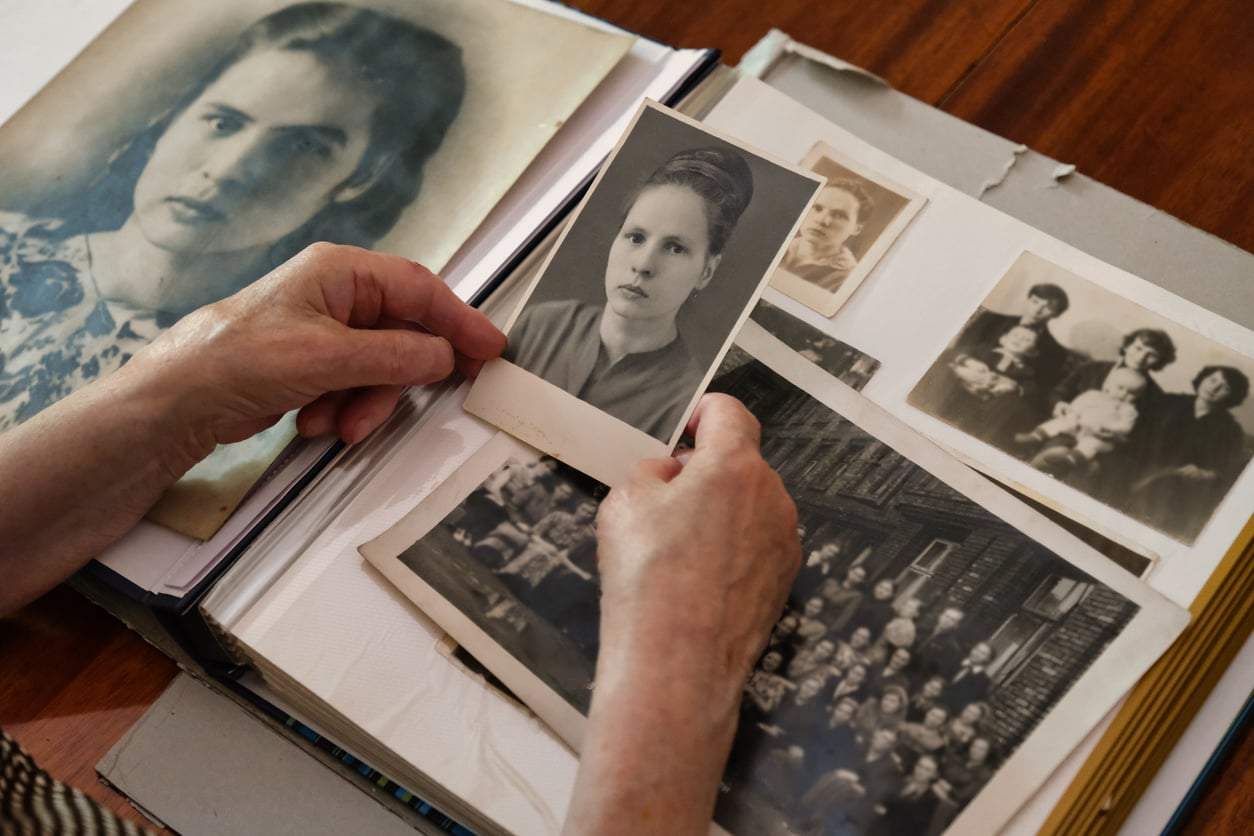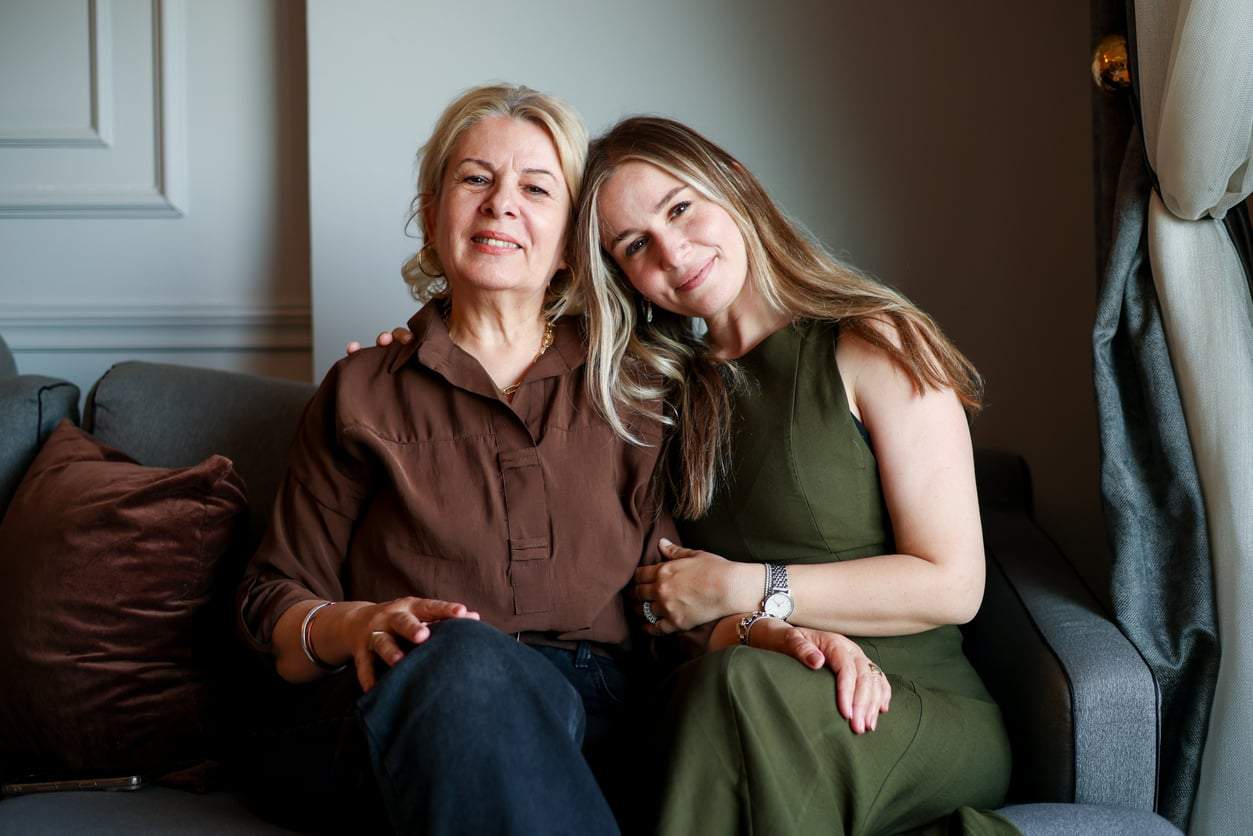
It took me a long time to realize that some things I would never get from my parents—not because they didn’t love me or didn’t try their best, but simply because they weren’t capable. The more I pushed for the emotional presence I craved, the less I received. Then, at one point, I let go of three expectations—and in doing so, I saved myself and lifted our relationships to a new level.
I no longer expect them to change
For a long time, I believed that if I explained myself clearly enough, approached them with openness, empathy, and maturity, something inside them would shift. That one day they’d truly hug me and say, “We’re sorry, we messed up.” That hope kept me going, but it also brought repeated disappointment. I had to accept that emotional maturity doesn’t automatically come with age.
Some parents—no matter how well-intentioned—simply never learned how to connect or recognize and validate others’ feelings.
Not out of malice or intent to hurt, but because they never received it themselves. Experts like the psychologists at REC Parenting highlight that many emotionally immature parents don’t even know how to respond to feelings—often having grown up in cold, controlling, or chaotic homes.
I first truly felt compassion for my parents (in a good way) when I stopped expecting from them what they never learned to recognize or give.
I no longer seek emotional validation

There was a time when I gathered the courage to share my feelings—telling them what I’d been through and what overwhelmed me. The blunt response I got floored me, and I still hear that sharp sentence in my mind. That moment taught me: I can’t expect anything different.
A therapist once told me: it’s like knocking on a closed door you hope will open just because you ask nicely. But that door isn’t locked—it simply isn’t there.
This image really opened my eyes. Expecting empathy or compassion from someone who never learned to give it is self-inflicted pain. But that doesn’t mean I can’t be kind to myself. I can still see my own worth—even if no one else reflects it back.
I no longer let them cross my boundaries

This was the hardest, especially with my dad. He’s always been impulsive—disappearing for months, then showing up unexpectedly with big gifts, as if a gesture could make up for lost years. For a long time, I thought this was his way of showing love, but I grew tired of the emotional rollercoaster. One day, I decided this couldn’t continue in my life and started saying no. I stopped rearranging the whole family’s schedule when he’d announce a visit with just half an hour’s notice after two months of silence.
The hardest part wasn’t saying no—it was not feeling guilty afterward. I realized boundaries don’t separate us; they protect us. And if I let them be crossed repeatedly, I’m telling others they aren’t real.
When I consistently upheld my boundaries, others learned too—especially that I’m no longer a child and can’t be treated like one.
I don’t believe in the “perfect parent,” especially now that I’m a mom myself. I also don’t believe growing up is pain-free, but I do believe we can grow and heal across generations. I see clearly where my parents, father- and mother-in-law came from, and I honestly admire how far they’ve come.
Our generation, however, has the gift not just to survive but to understand what happened to us. We have the chance to dive into healing and accept that we didn’t always get what we wanted or needed. But now, we have a choice. We can redefine our relationships—not from our wounds, but from our awareness. In doing so, we free not only ourselves but also our children from a legacy we no longer want to pass on—because finally, we have the courage to choose differently.