Getting a gift is always a special feeling. Even if the surprise isn’t exactly your style or needs, the thoughtfulness, the gesture, and the intention often mean more than the item itself. Still, life sometimes hands us gifts that just don’t fit: maybe you already have one, don’t use it, or can’t picture where it would go in your home. That’s when the question arises: can I pass on a gift I received? And if yes, how do you do it politely and ethically? The answer isn’t complicated—just keep a few key guidelines in mind.
Why Is Passing On a Gift Such a Sensitive Topic?
The culture of gift-giving is deeply rooted in thoughtfulness and meaningful gestures. An item’s value isn’t in its price tag but in what it represents—that someone thought of you when choosing it. So saying, “Thank you, but I’ll pass this on to someone else,” can feel like you’re questioning the gift’s true value. Etiquette doesn’t rule out this option entirely—it simply asks that you approach it with respect and care. In other words, you can pass on a gift you don’t need, as long as you follow these important rules!

Avoid Passing On Gifts Within the Same Circle
Etiquette experts strongly advise never to pass on a gift you received within the same social circle—like family or close friends. If the item resurfaces in the same group, it’s easy to trace back and can cause hurt feelings or misunderstandings.
This is one of the most important rules: don’t risk relationships by gifting secondhand within the same circle.
When Is Passing On a Gift Acceptable?
There are situations where passing on a gift is perfectly fine—and often a kind gesture. This includes courtesy gifts like a bottle of wine, chocolates, or a candle—items that are generally neutral and useful to anyone. Informal or smaller gatherings without deep personal ties are great occasions for passing these along. It’s also okay when you know the new recipient will truly appreciate it—meaning you understand their taste and lifestyle, and the gift would bring them joy.
This mindset not only saves money but also extends the life of items—turning them into something useful instead of gathering dust.
Don’t Pass On Personalized Gifts
This is a key rule: avoid passing on gifts that are personalized or carry emotional significance. Items with custom engravings, handmade pieces, or anything that carries a message meant just for you aren’t suitable for a new recipient—their value lies in being made for you.
Never Pass On Items in Poor Condition
Etiquette also recommends only passing on items that are brand new, unopened, or at least in perfect condition. If a drink, cosmetic, home decor item, or any other gift is unused, undamaged, and the new recipient would genuinely appreciate it, then it’s okay to pass it on. This gesture is no longer about “getting rid of stuff” but about thoughtfulness, where the item truly adds value.
Packaging and Presentation—Thoughtfulness Makes the Gesture Valuable
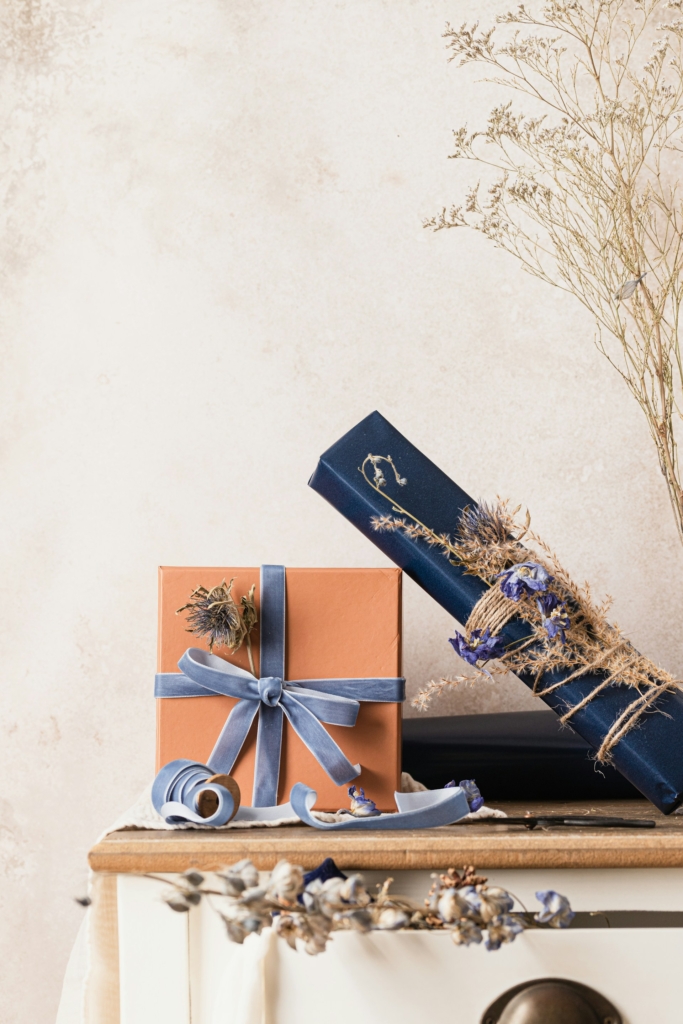
It’s important not to pass on the item as if you’re just “getting rid of it”—wrap it in clean, fresh packaging. A heartfelt handwritten note, pretty wrapping paper, or a gift bag all add to making the gesture feel special. It shows you’re not just offloading something, but truly want to surprise someone.
If in Doubt, Pass It On as a Donation
If you feel the item doesn’t suit anyone in your circle or you’re unsure about the etiquette of passing it on, donating is a wonderful alternative. Many organizations gladly accept new or flawless items that can truly benefit others, ensuring the goodwill behind the gift lives on.