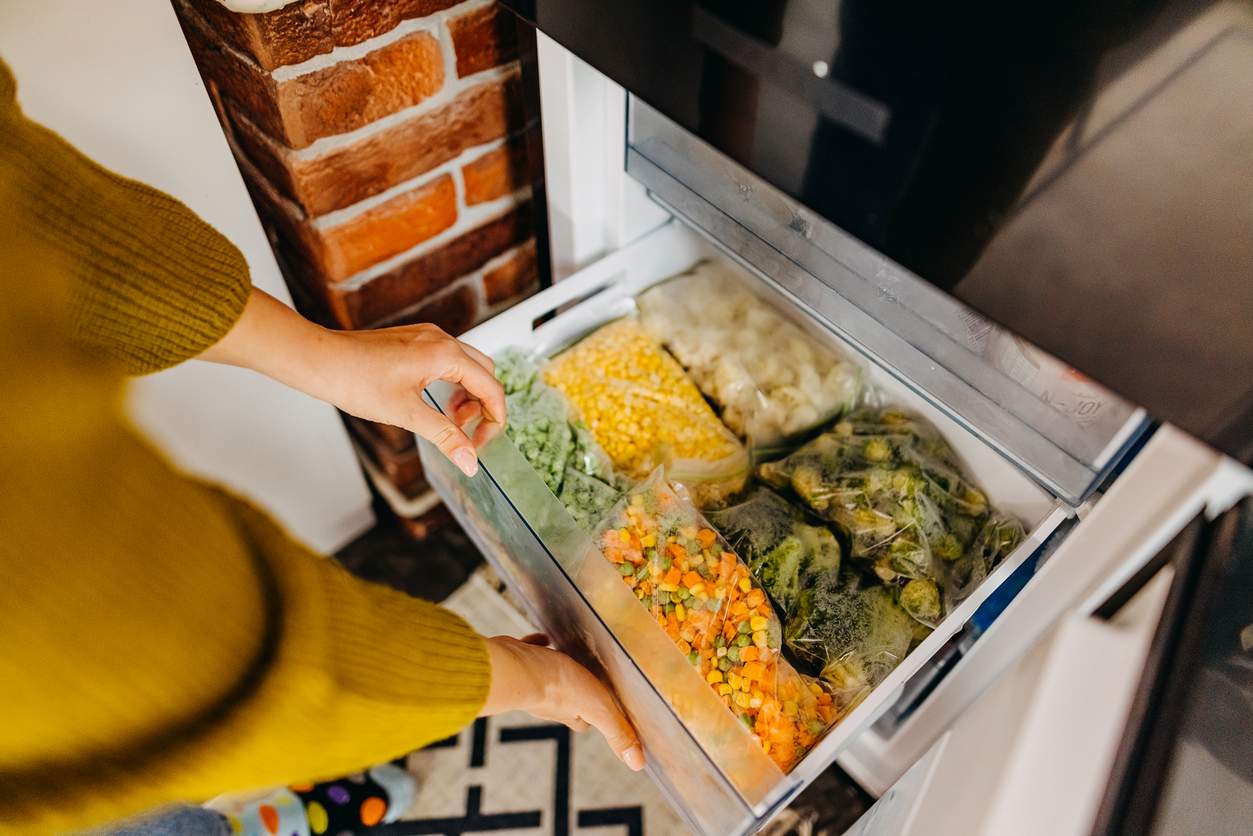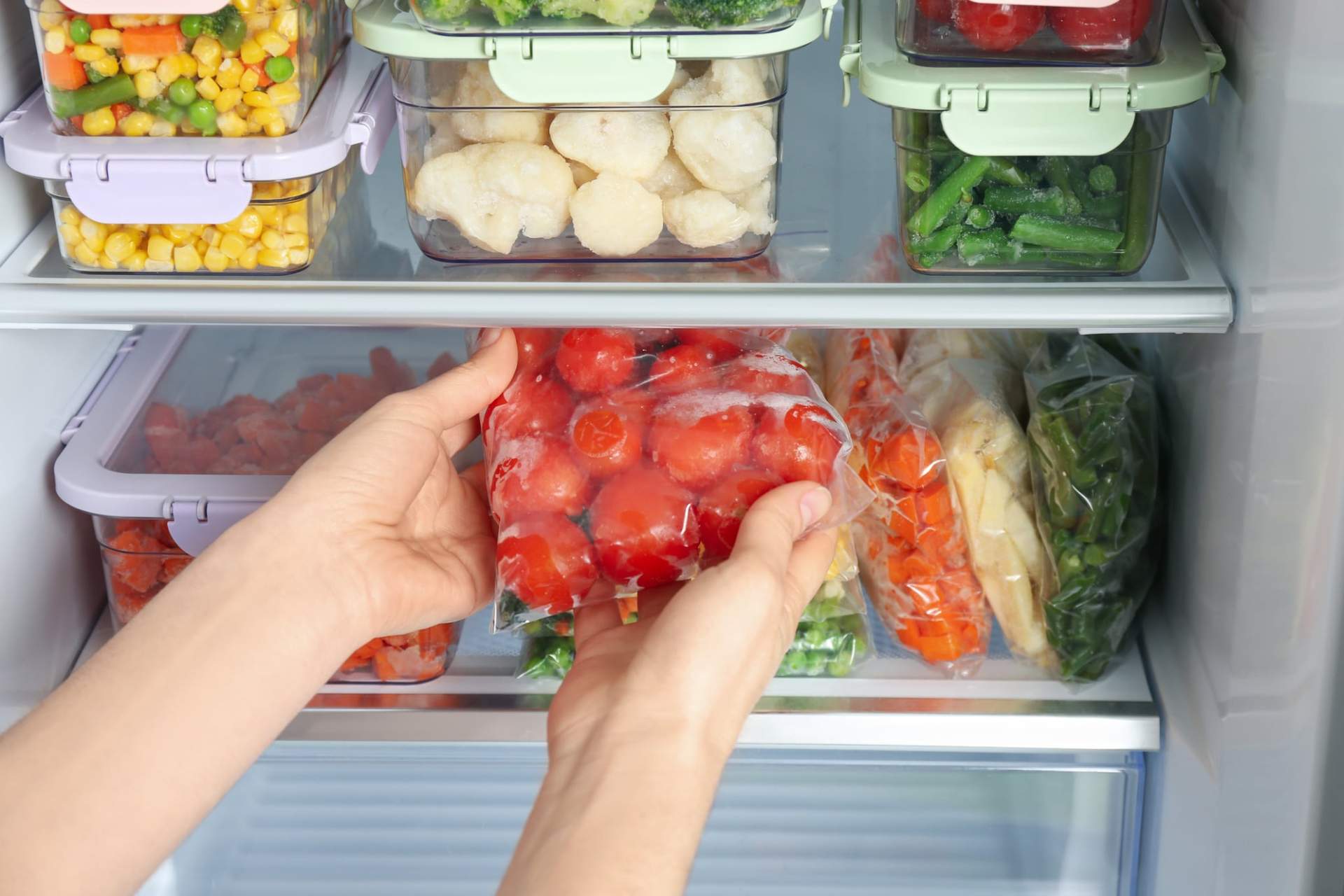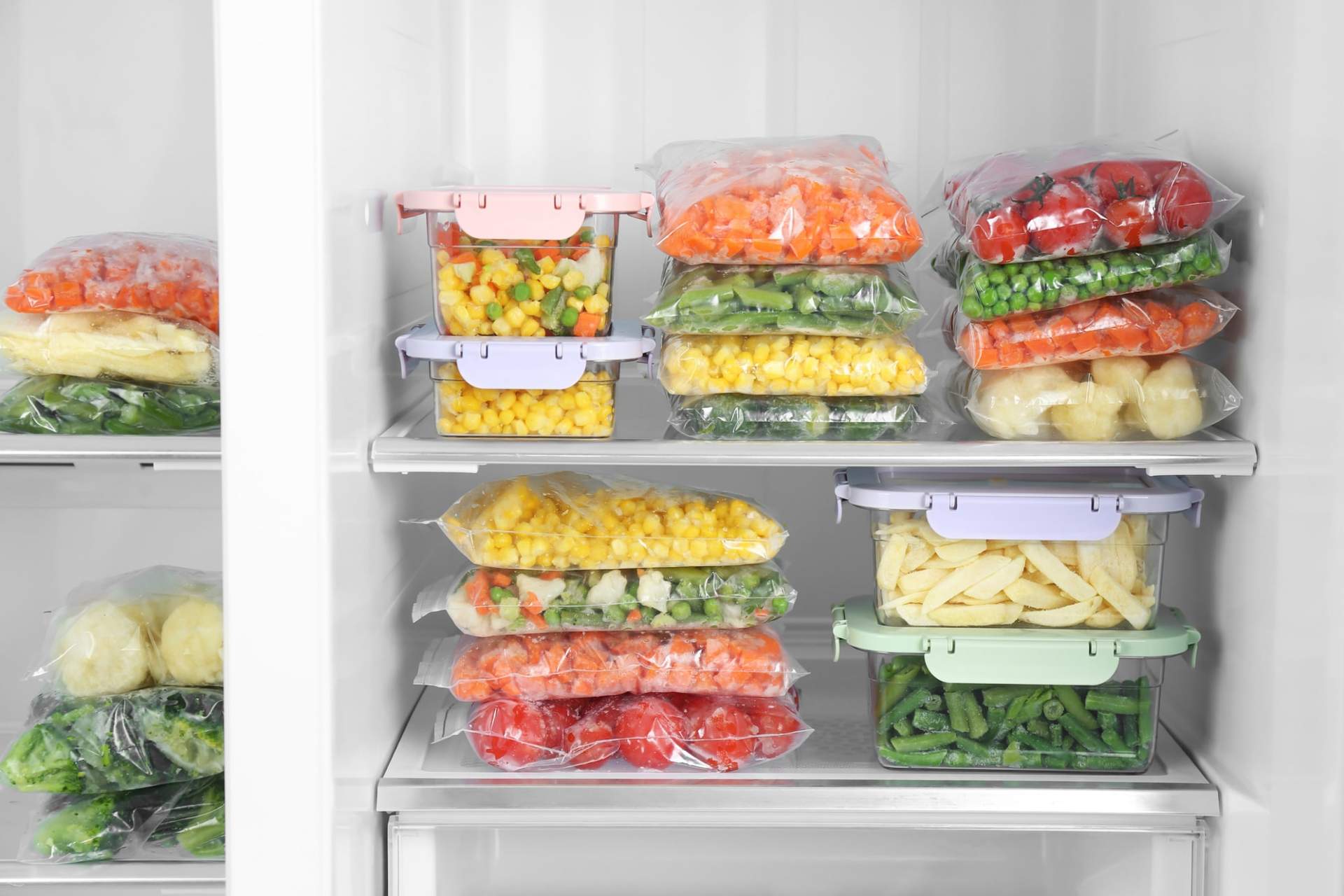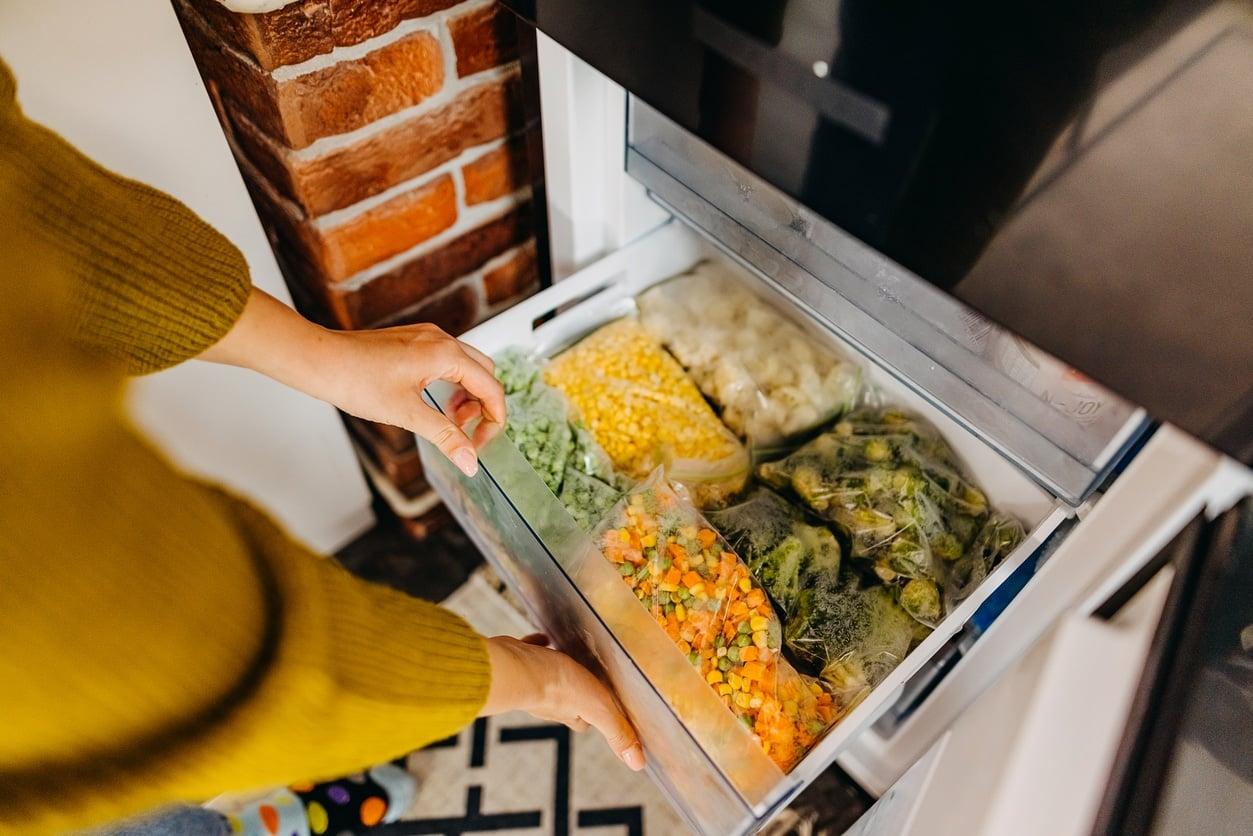
Food in the freezer can stay fresh for months, though not forever. It’s important to know that food will eventually spoil even in the freezer, so always label packages with the date and use them within the recommended time frame.
Here’s another golden rule that can be tricky: once frozen food thaws, don’t refreeze it, because its quality and safety can’t be guaranteed anymore.
That’s straightforward, but what about a power outage? If you come home from vacation or work and see the microwave clock blinking, you know the power went out.
But for how long?
If the outage lasted only a few minutes, your frozen food is likely safe. A well-insulated freezer won’t warm enough in that time to start thawing. But if the outage was longer, food might have partially thawed and then refrozen when power returned.
It’s impossible to tell just by looking if thawing started, so you face a dilemma. Keeping the food risks your family’s health. Tossing it might waste hundreds of dollars worth of groceries.
Luckily, there’s a simple yet brilliant method to prepare for this exact situation.
The 5-cent trick
Grab a small bowl, mug, or glass and fill it with water, then freeze it. Once fully frozen, place a coin on top of the ice and put it back in the freezer. After a power outage, open the freezer and check the coin to see if thawing started.
If the coin is still sitting on top of the ice, you’re good. But if it has sunk or started to sink into the ice, thawing began during the outage, meaning your food is no longer safe to eat.
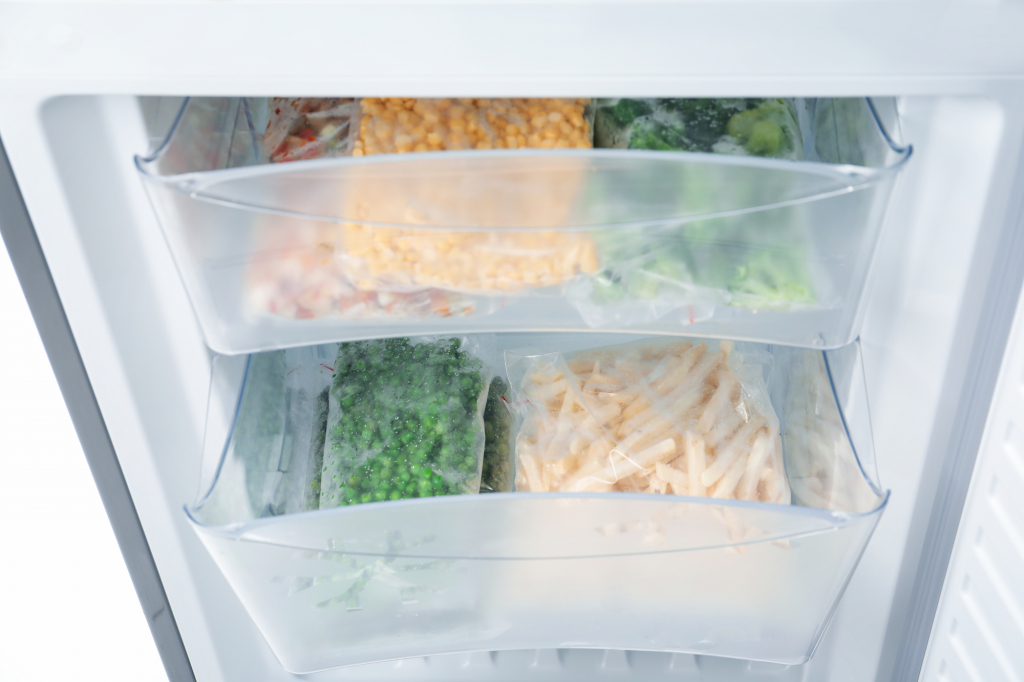
How long can you store food in the freezer?
Frozen foods stay best depending on how fresh they were when frozen, how clean they were, and how steady your freezer’s temperature is. Generally, vegetables last about 8-12 months, fruits around 8 months, various meats 2-3 months, and breads or pastries about 3 months in the freezer.
Most of the time, food is still safe to eat after these periods if stored properly. Freezing stops bacteria from multiplying, but quality and taste can decline over time.