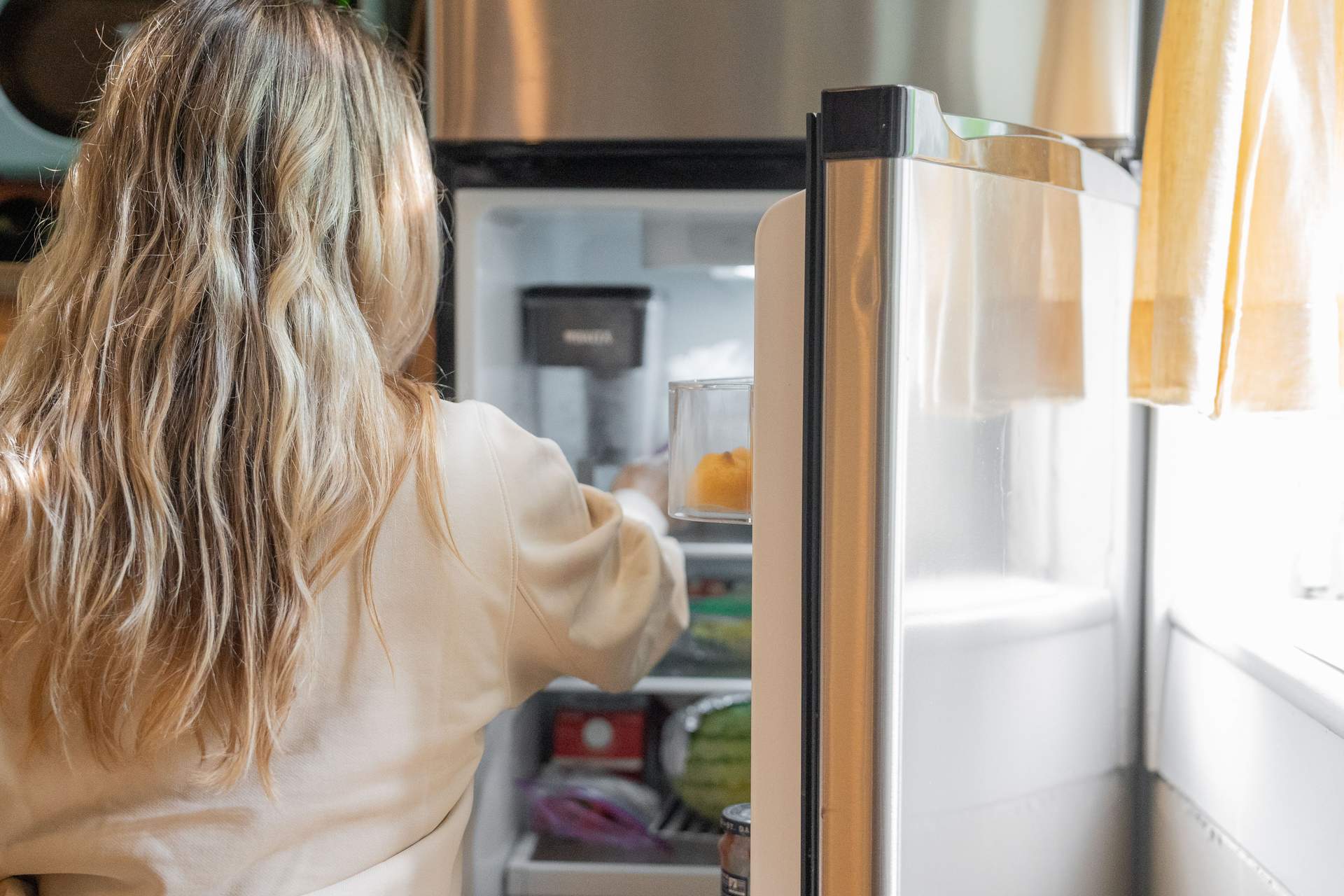
I’ll admit it honestly: our fridge is one of those short-lived organizing wins. After a big clean-up, everything’s in its place, but then everyday life kicks in—quick grocery runs, cooking dinner on the fly… It doesn’t take long for the order to unravel.
As a result, the drawer often becomes a catch-all for anything we can’t immediately find a spot for: sauces, carrots, opened yeast packets, or even canned drinks… But the bottom drawer is way more useful than just a leftover hiding spot!
So, what makes this drawer special?
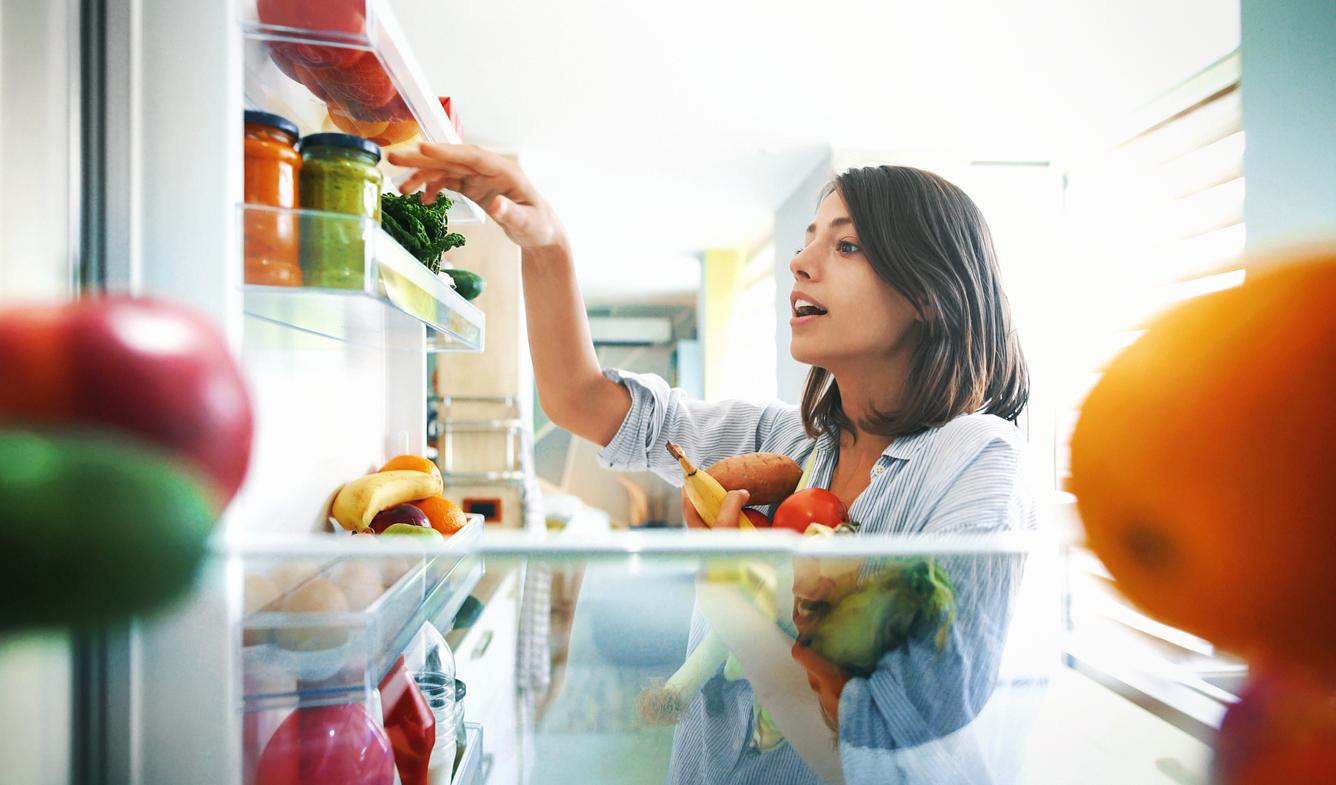
The fridge’s bottom compartment is no coincidence called the “vegetable drawer.” It’s designed to control humidity, which plays a huge role in keeping food fresh. When used right, your lettuce won’t wilt in two days, peppers stay crisp, and parsley won’t droop like it would if you just tossed it on a shelf.
The secret is that the drawer maintains a more stable and higher humidity level than other parts of the fridge. Leafy greens like spinach and lettuce thrive here, while some fruits (like apples) prefer lower humidity because they release ethylene gas—a natural ripening agent that speeds up spoilage for veggies.
It’s not just for veggies
Some people automatically toss everything they buy at the produce market into this drawer, but as you’ve seen, that’s not always the best for storage. Beyond ethylene gas, some raw ingredients actually don’t do well chilled—like eggplants and tomatoes.
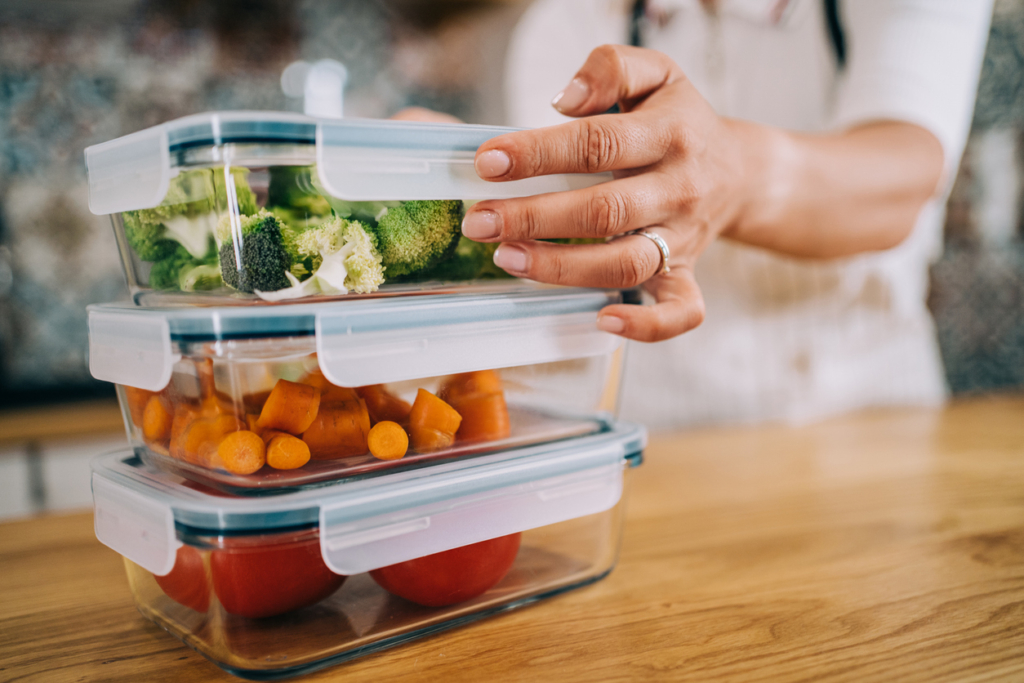
Still, this drawer is too good to leave unused or to store foods that are perfectly happy on any other shelf. Experts even say it’s ideal for storing meat, fish, and eggs because the temperature here tends to be more stable. (The worst spot is actually the fridge door, where the temperature swings every time you open it.) This means the drawer can be a safe zone for sensitive foods.
But here’s the catch: if you throw everything in—veggies, fruits, meat—it’s easy for things to mix up, and not every food gets the environment it needs. Worse, raw meat juices could drip onto your salad, which is risky. So set a simple rule at home and stick to it: either keep only fresh veggies and fruits here, or strictly meat and fish—never mix the two.
How to use it right
Rule one: don’t overfill it. The drawer works best when it’s half to three-quarters full, letting air circulate freely around your food. Stuff it too tight, and your veggies spoil faster—no magic drawer can fix that.
Rule two: keep it clean. Wipe the drawer regularly with warm water and a splash of vinegar. This not only neutralizes odors but also protects the drawer’s material. Plus, you’ll avoid that forgotten cucumber turning into a horror show weeks later.
It might seem small, but proper storage saves you a lot of hassle. Keeping ingredients fresh longer means less waste and more money saved. And honestly, cooking from a neat, organized fridge beats digging through sauce jars and half-opened packages any day.
Sure, a stray ketchup bottle might sneak in now and then, but at least now you know just how versatile your fridge’s bottom drawer really is!