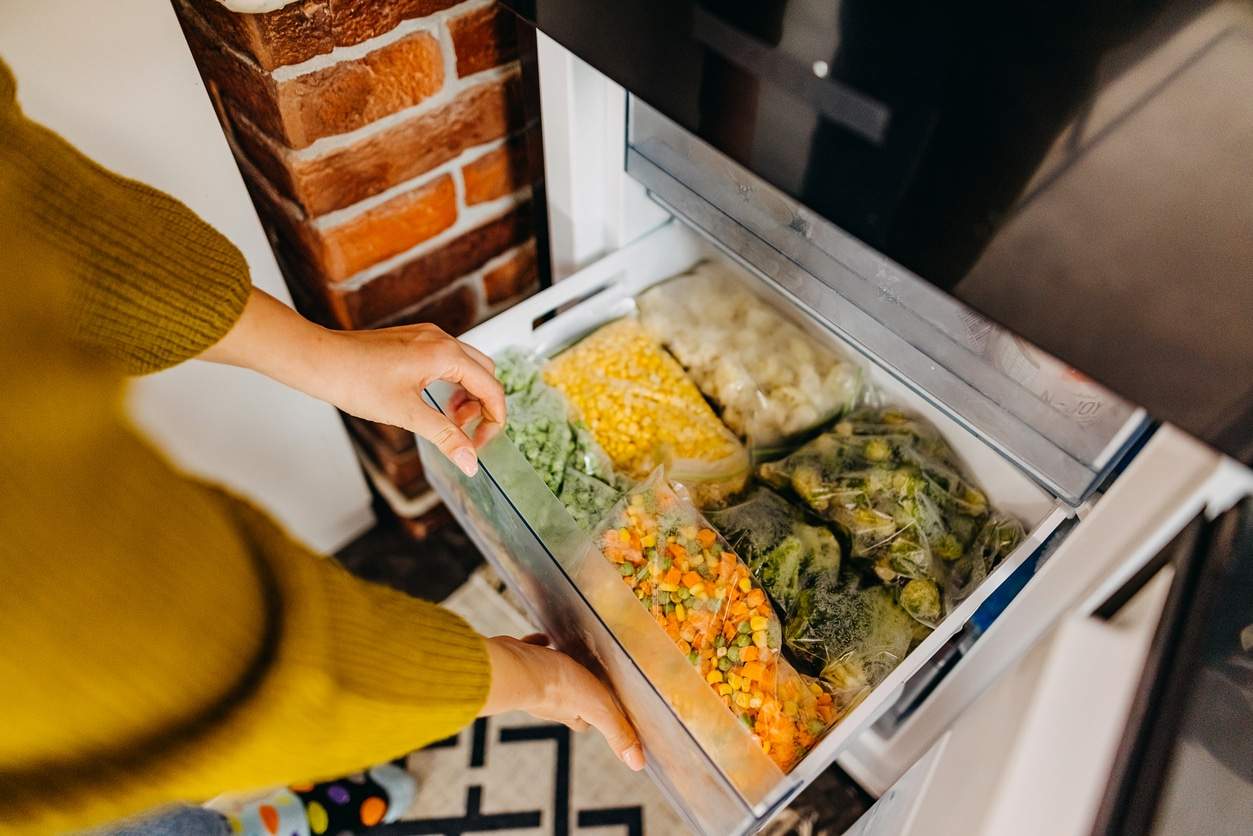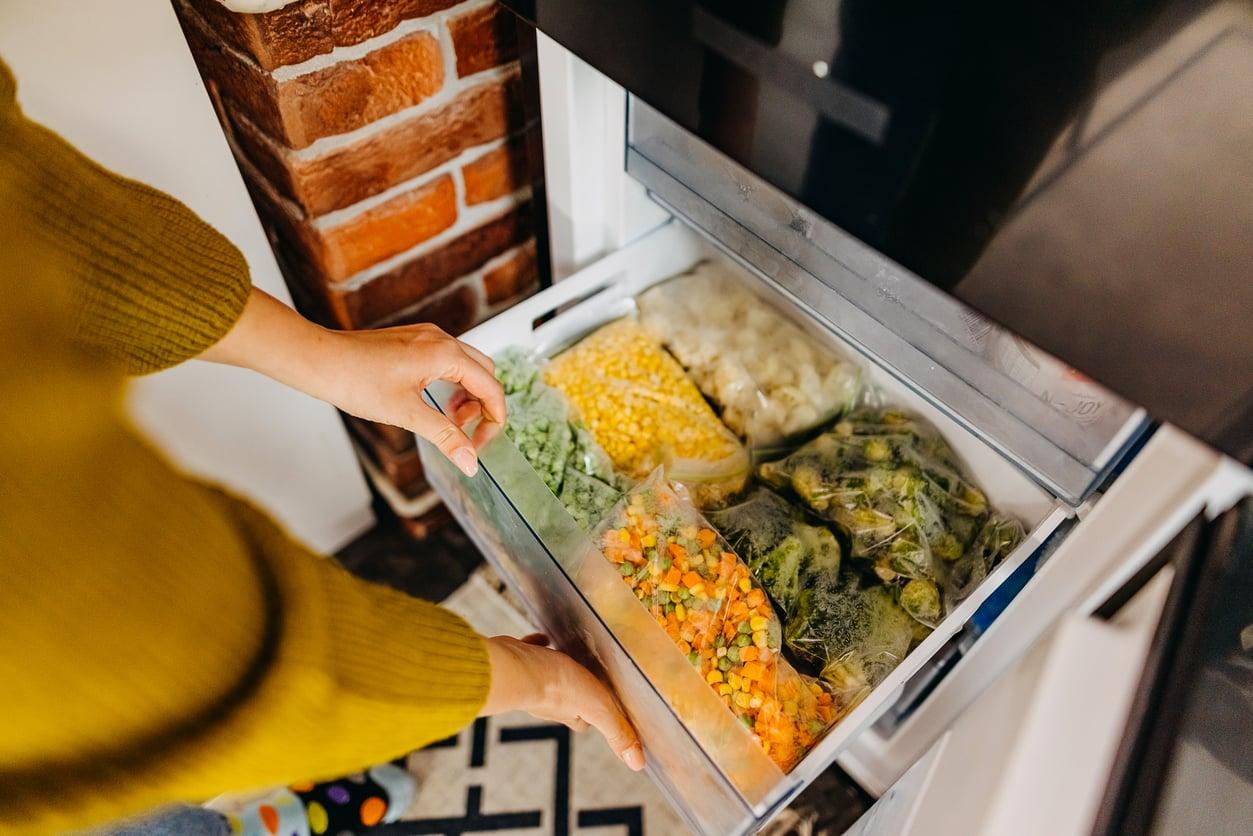
When I tidy up the freezer, I almost feel a sense of calm: fruits neatly in one box, veggies lined up like soldiers, and in the third drawer, those go-to meals ready to save even the busiest mornings.
This order lasts until a big sale hits and I stock up, barely able to fit everything in. But beyond the clutter, there’s a more crucial factor that affects how well your freezer preserves food: the temperature. No matter how organized the drawers are, if the temperature isn’t set right, it won’t be long before your food’s texture, taste, and quality suffer — and your energy bill might spike too.
Here are the most common signs it’s time to check your freezer’s settings:
Your ice cream is either rock hard or melts too fast
If your ice cream is so hard it feels like you need a chisel, or it melts into a puddle in seconds, the temperature is off. Your freezer should keep a steady chill, and when it doesn’t, frozen treats are the first to show it.
Mysterious ice buildup in the drawers
Our fridge is over ten years old, but thanks to its frost-free feature, I’ve never had to defrost it — and I absolutely love that.
Without this feature, your freezer might develop layers of ice over time, which can hint at temperature issues. If you notice new frost forming regularly, it usually means the temperature isn’t right or the door seal isn’t closing properly. This not only adds annoying extra work but also drives up energy use in the long run.
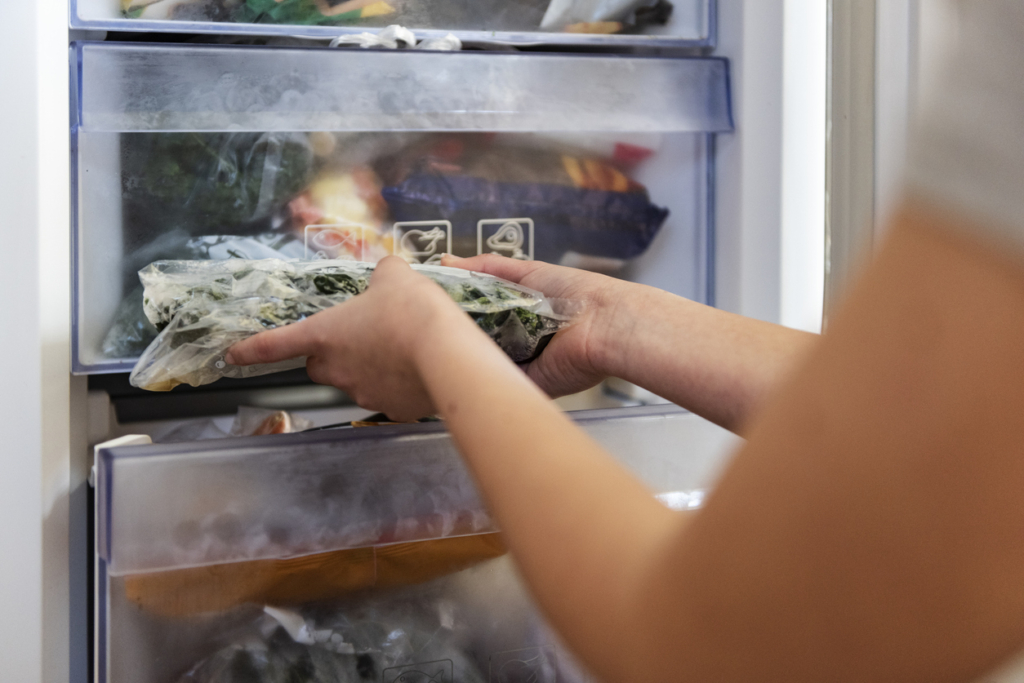
Vegetables lose their color and flavor
Dull peas or flavorless raspberries are red flags. Too cold air dries out food, while too warm causes thawing and refreezing. The right temperature helps veggies and fruits keep their color and taste longer. If you also notice a musty smell, it’s often due to temperature swings.
Your energy bill is through the roof
A poorly set freezer wastes a lot of energy. If it’s running at the wrong temperature, it uses more power than necessary. If your bill spikes without changing your habits, start by checking your freezer. A badly set or poorly insulated unit works overtime. The same goes if your freezer sits in a warm spot, like next to the oven or in direct sunlight.
Food spoils too quickly
Your freezer isn’t just for keeping food cold — it slows down spoilage. If your frozen soup smells off after a few weeks or meat changes color fast, it’s a sign the temperature isn’t steady enough.
+1. Your freezer is either too empty or too packed
It might sound odd, but both an almost empty freezer and one packed to the brim can cause problems. Too empty means warm air rushes in with every open, too full means cold air can’t circulate. Both lead to uneven temperatures that your food will pay for.
If your freezer doesn’t have a built-in thermometer, a simple one can help you check inside — the ideal temperature is around -18 °C (0 °F). Setting it colder won’t keep food fresher but will waste energy. Warmer means food spoils faster, so it’s worth checking regularly to keep things fresh and energy-smart.