Bien Logo

Using Your Balcony as a Fridge? Here’s How to Keep Your Food Fresh

Lukács Kamilla2 min read
Share:
Using Your Balcony as a Fridge? Here’s How to Keep Your Food Fresh — Household

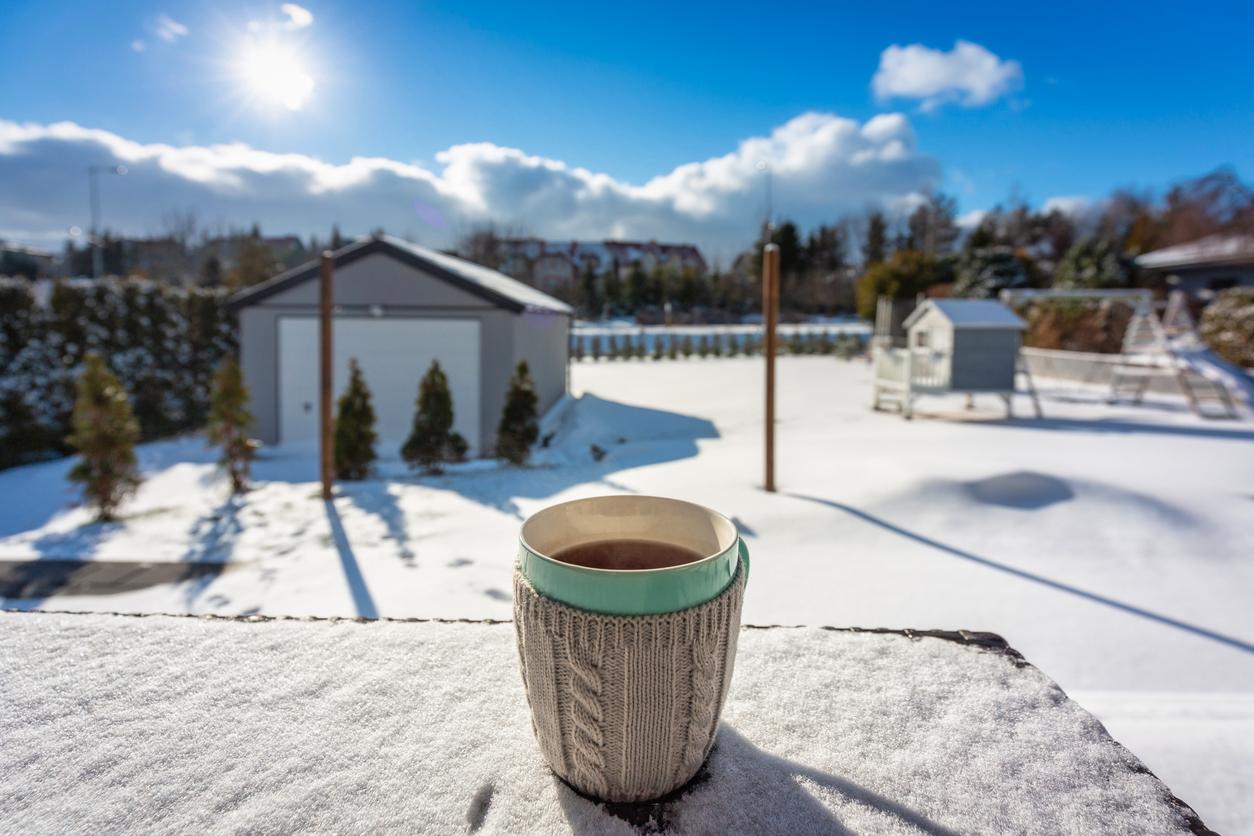
In winter, many think terraces offer a perfect spot to store food since it’s cooler than indoors. But before you decide, it’s key to understand the factors that affect your food’s freshness and safety.

A terrace in winter can really feel like a natural fridge thanks to the cold air. But not all temperatures or foods make this a safe option. Keep an eye on the weather forecast—daytime temps can be warmer than you expect. When that happens, food can enter the danger zone where bacteria multiply faster.

Watch the Right Temperature

Temperature control is crucial, especially for fresh produce and animal-based foods left outside.

The ideal temperature range is between 0 and 5 degrees Celsius (32–41°F), where bacteria grow more slowly. If it rises above 5 degrees, it’s safer to choose another storage method.

For accurate monitoring, place a thermometer on your terrace. This helps you track temperature changes and act quickly if it nears or exceeds 5 degrees Celsius (41°F). Also, use sealed containers to keep food safe from surface dirt and moisture.
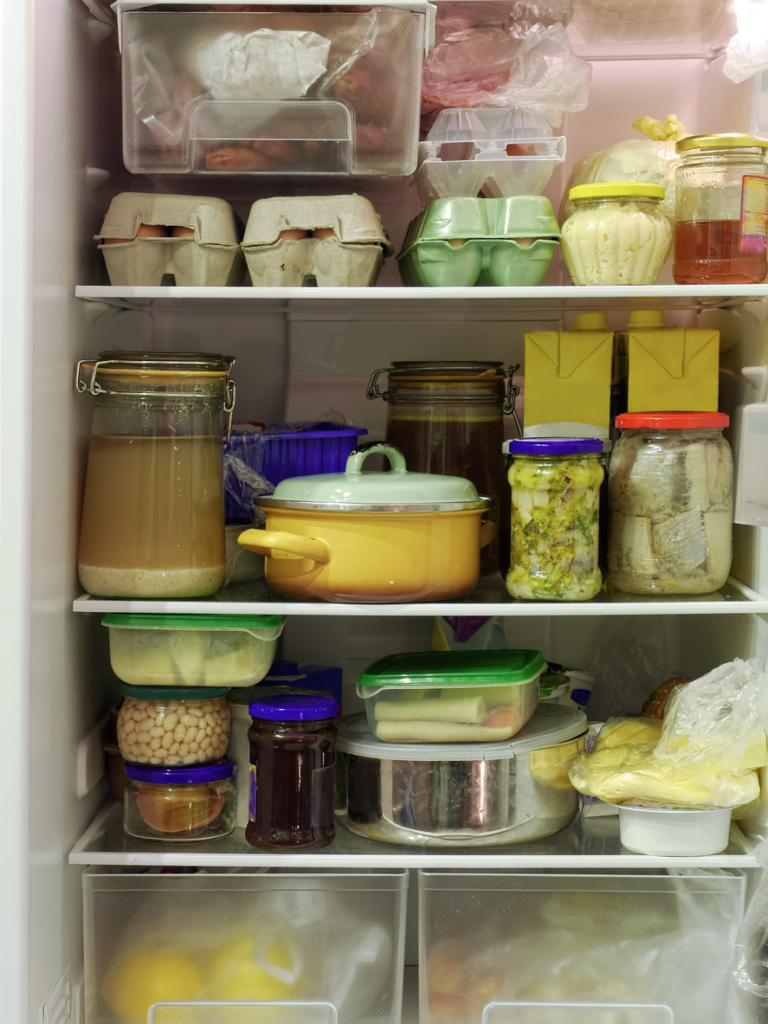
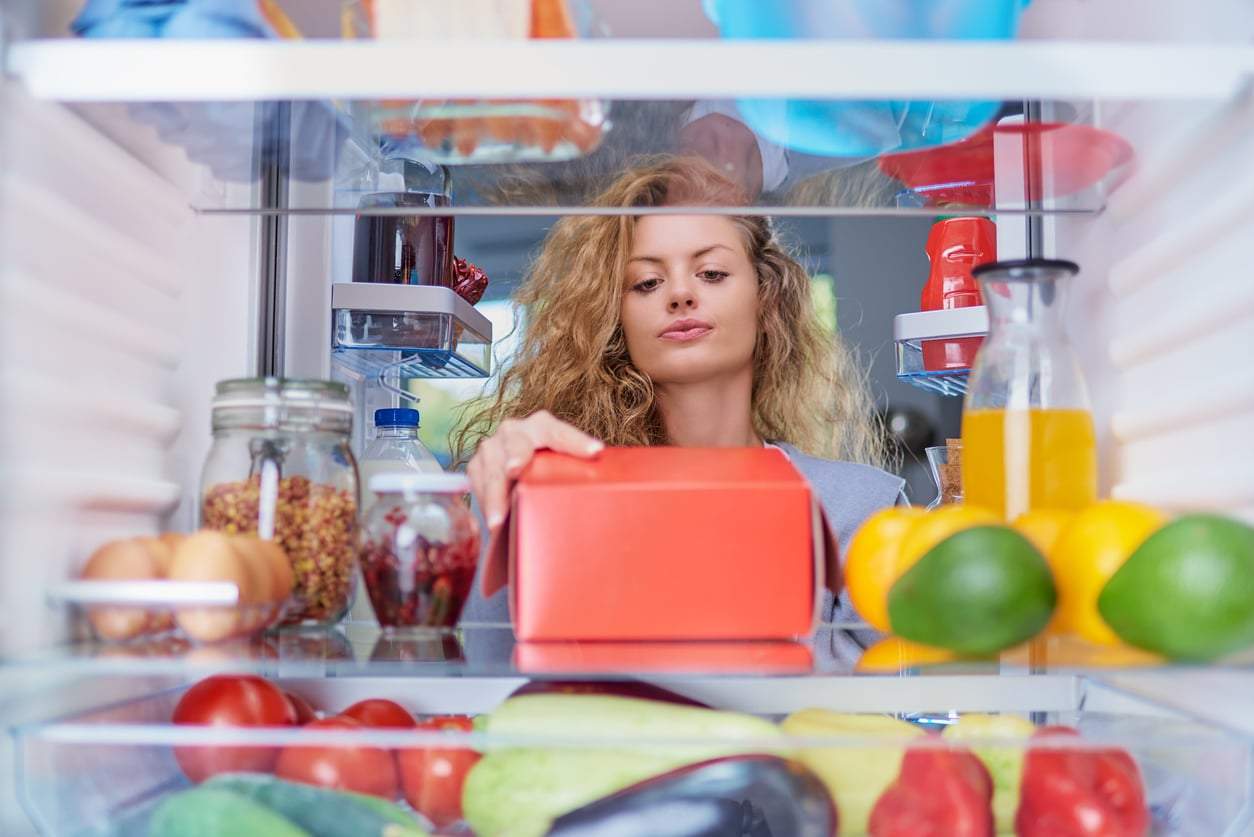
Refrigerator inside full of assorted food ingredients, fruit, vegetables, meat and dairy products

Which Foods Can Be Stored Outside?

Root vegetables, apples, and cabbage varieties tolerate cold well and can be safely stored on the terrace.

But dairy, meats, and other quick-perishables require extra care. They shouldn’t stay above 5 degrees Celsius (41°F) for more than 2–3 hours.

Common Mistakes and How to Avoid Them

Winter sun can suddenly warm your terrace during the day. To avoid this, pick a shady, wind-protected spot where sunlight won’t raise the temperature much. Also, regularly check weather updates so you can adjust your storage plans as needed.

Alternative Storage Options

If your terrace isn’t ideal, store food in cooler indoor spots like a pantry or cellar. Modern fridges often have special drawers designed to keep fruits and veggies fresh longer.

While a winter terrace can be a handy storage spot, remember it’s best for limited times and specific conditions. By monitoring temperatures and taking precautions, you can safely store your food through the cold months, keeping it fresh and tasty.
Related reads

The Hidden Spot in Your Air Conditioner Where Black Mold Loves to Hide — Household

The Hidden Spot in Your Air Conditioner Where Black Mold Loves to Hide

If you haven't deep-cleaned your air conditioner in a while, black mold could be hiding inside. Here's exactly where to look and how to disinfect it safely.

Lukács Kamilla
5 things in your home that are blocking abundance — and why you need to let them go — Lifestyle

5 things in your home that are blocking abundance — and why you need to let them go

Feng shui and modern decluttering experts agree: the objects around you shape your energy. Here are 5 common things that block abundance in your life.

Lukács Kamilla
5 Interior Design Trends That Look Amazing in Photos — and Drive You Crazy in Real Life — Decor

5 Interior Design Trends That Look Amazing in Photos — and Drive You Crazy in Real Life

These popular home decor trends look flawless on Pinterest, but once you live with them? Three months later you're already wondering how to undo it all.

Lukács Kamilla
You've Been Loading Your Fridge Wrong for Years — and It's Spoiling Your Food Faster — Household

You've Been Loading Your Fridge Wrong for Years — and It's Spoiling Your Food Faster

Your fridge isn't one evenly cooled box — it's a map of hot and cold zones. Put food in the wrong spot and it spoils faster. Here's how to load it right.

Váradi Petra
Stop Storing Eggs and Milk in the Fridge Door — Here's Why It's a Mistake — Household

Stop Storing Eggs and Milk in the Fridge Door — Here's Why It's a Mistake

It feels practical, but storing eggs and milk in the fridge door is quietly ruining them faster. Here's where they actually belong — and why it matters.

Farkas Izabella
Why the top of your jam turns brown, and how to stop it — Household

Why the top of your jam turns brown, and how to stop it

That brown or grayish layer on top of your homemade jam isn't always spoilage. Here's what really causes it and the simple tricks that keep jam bright.

Farkas Izabella