During winter, many of us instinctively close every door and window to keep the warmth inside. It makes sense, but there’s a small habit many overlook that can prevent your home’s air from feeling tired and stale. The good news? Just five minutes a day can create a fresher, healthier environment without hiking your heating bill.
What Happens If You Don’t Ventilate All Winter?
In a closed home, air quality deteriorates faster than you might think. Sleeping, cooking, showering, cleaning—all add moisture, odors, and pollutants to the air. Without a way out, these build up and can lead to discomfort over time.
Common signs include morning fatigue, dull headaches, heavy air, foggy windows, and in the long run, even mold growth.
Less Carbon Dioxide, More Energy
Closed spaces naturally see rising carbon dioxide levels, especially at night or in homes with several people. High CO₂ can cause tiredness, trouble focusing, and poorer sleep quality.
The bright side? Just 5-10 minutes of targeted ventilation can make a noticeable difference—fresh air quickly replaces the stale, making your home feel lighter and more inviting, according to marthastewart.com.
Cleaner Air Every Day
It’s not just carbon dioxide that can cause issues. Your home’s air might also contain:
- cooking odors,
- pet allergens,
- chemicals from cleaning products,
- dust and other irritants.
Air purifiers help, but they don’t solve everything. Natural ventilation resets the air, creating a fresh baseline. Many notice less congestion, headaches, and allergy symptoms just by adding this simple step.
Cutting Humidity: Your Best Defense Against Mold
Winter air indoors is often too humid. Showering, cooking, and even breathing add moisture that condenses on cold surfaces like windows and walls—perfect conditions for mold.
Briefly opening windows helps release excess moisture. Plus, drier air is easier to heat up, making ventilation not just healthier but also energy-wise smarter than many expect.
When and How to Ventilate in Winter
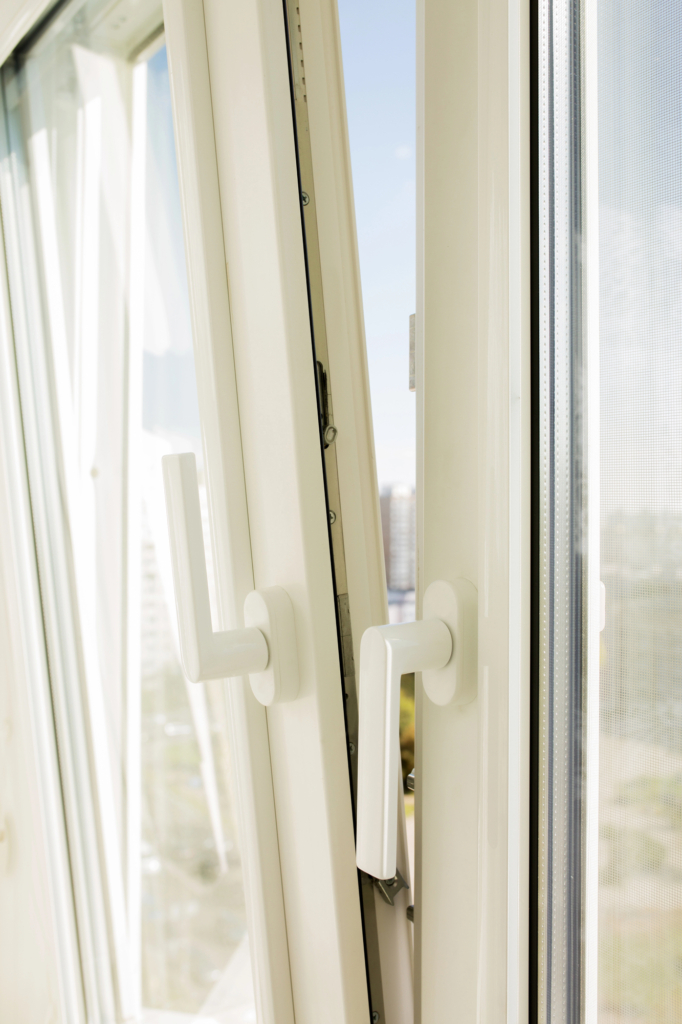
The secret isn’t leaving windows cracked open for hours, but quick, intense bursts of fresh air.
Here’s how:
- 1-2 times daily,
- for 5-10 minutes each time,
- preferably in the morning and early evening,
- open windows on opposite sides if possible—cross-ventilation refreshes air quickly.
On windy days, even shorter bursts work well because cold winter air is denser and drier, efficiently pushing out stale indoor air.

When Frequent Ventilation Isn’t the Best Idea
While ventilation is generally great, there are exceptions:
- if your home is near busy roads or heavy pollution,
- during extreme cold when heating struggles to keep up,
- in older homes with weak heating during sudden cold snaps.
In these cases, it’s better to rely on exhaust fans, dehumidifiers, or if available, heat-recovery ventilation systems.
If Regular Ventilation Isn’t Possible
Try these small steps to help:
- use kitchen and bathroom fans after cooking and showering,
- change heating system filters regularly,
- monitor humidity levels (ideal: 40-50%),
- choose cleaning and home products with low or no VOCs.
Finally, remember this habit needs no special tools or big effort—just awareness and a few minutes each day dedicated to your well-being and a healthier home atmosphere.