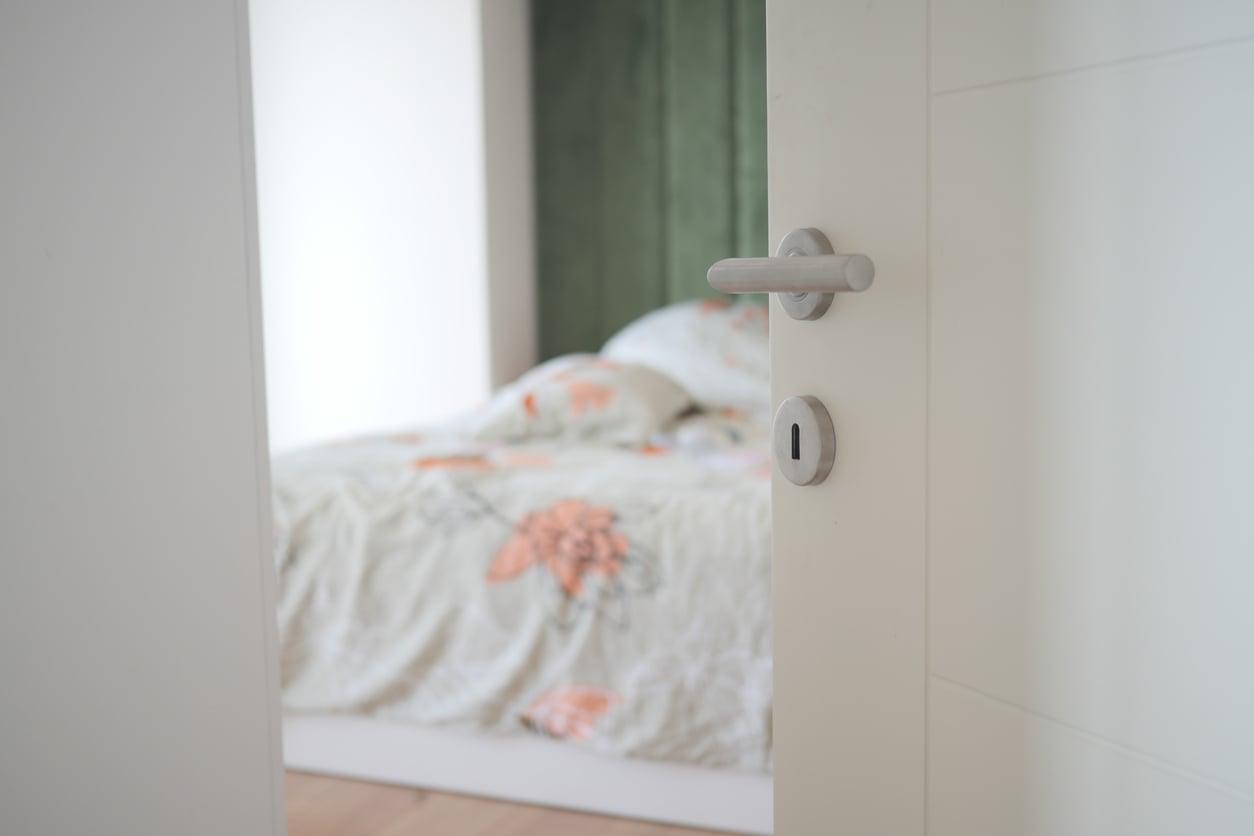
For many, it’s completely normal to leave the bedroom door open before bed. Some do it for fresh air, others out of habit, and some because it feels less confining. But this simple routine means more than just comfort — experts say it’s a small choice that can greatly affect your nighttime safety and sleep quality.
It might sound exaggerated that a door’s position makes such a difference, but in reality, it’s one of the easiest ways to boost your safety at home overnight.
The Invisible Danger: What Happens During a Fire?
When people think of fire, they usually imagine flames. But the real threat often comes from smoke and toxic gases. In a house fire, these can spread faster than the flames and create life-threatening conditions within minutes. Modern building materials like plastics, foam, and synthetic coverings produce especially toxic smoke that can cause unconsciousness after just a few breaths.
A closed door, however, acts as a strong barrier, slowing the spread and making a dramatic difference in room temperature and air quality. This isn’t just about comfort — it can literally be a matter of life and death. Those extra minutes a closed door provides can be enough time for someone to wake up, react, and get to safety.

A Small Habit That Boosts Your Sleep
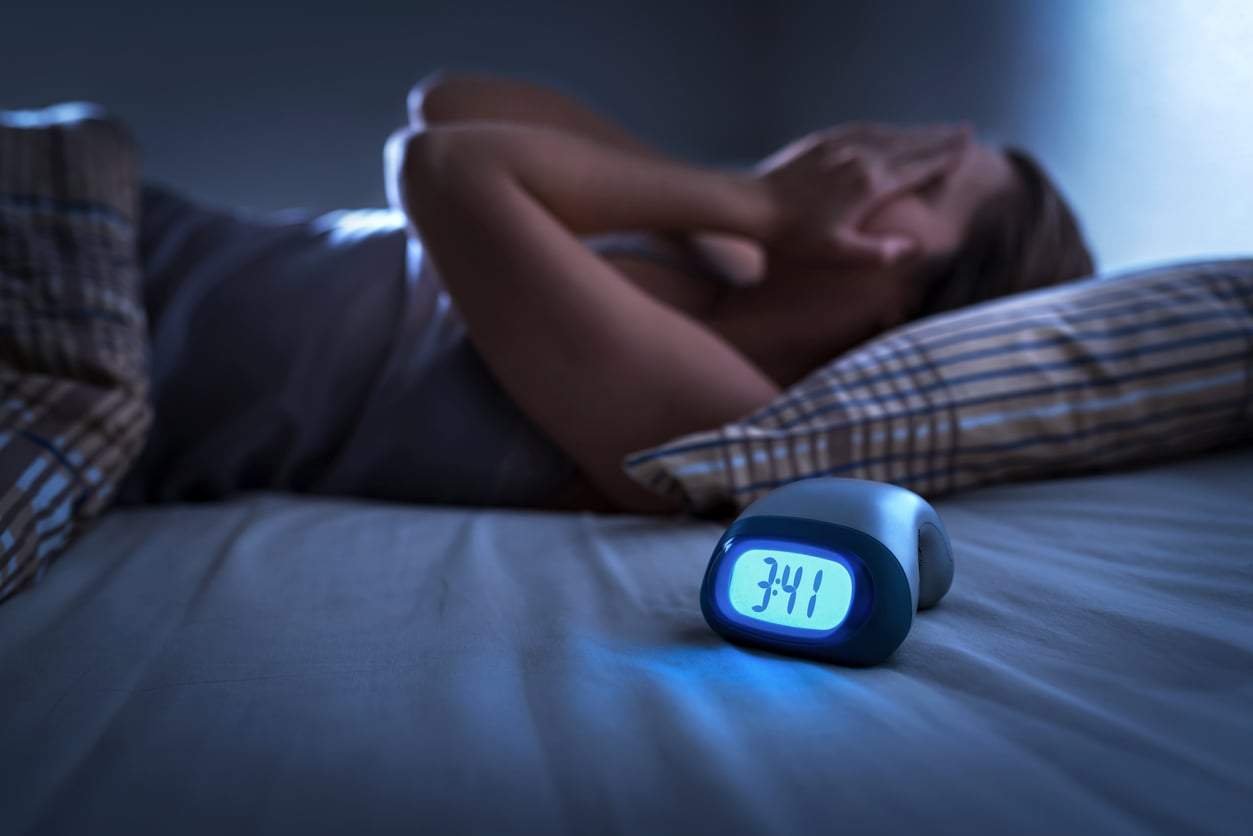
A closed door isn’t just helpful in emergencies — it can also be surprisingly important for your everyday sleep quality. It blocks out noise better, which is a big plus if you’re sensitive to nighttime sounds. Distant car noises, slamming doors, or small sounds from other parts of the home can disrupt sleep even if you don’t consciously remember them.
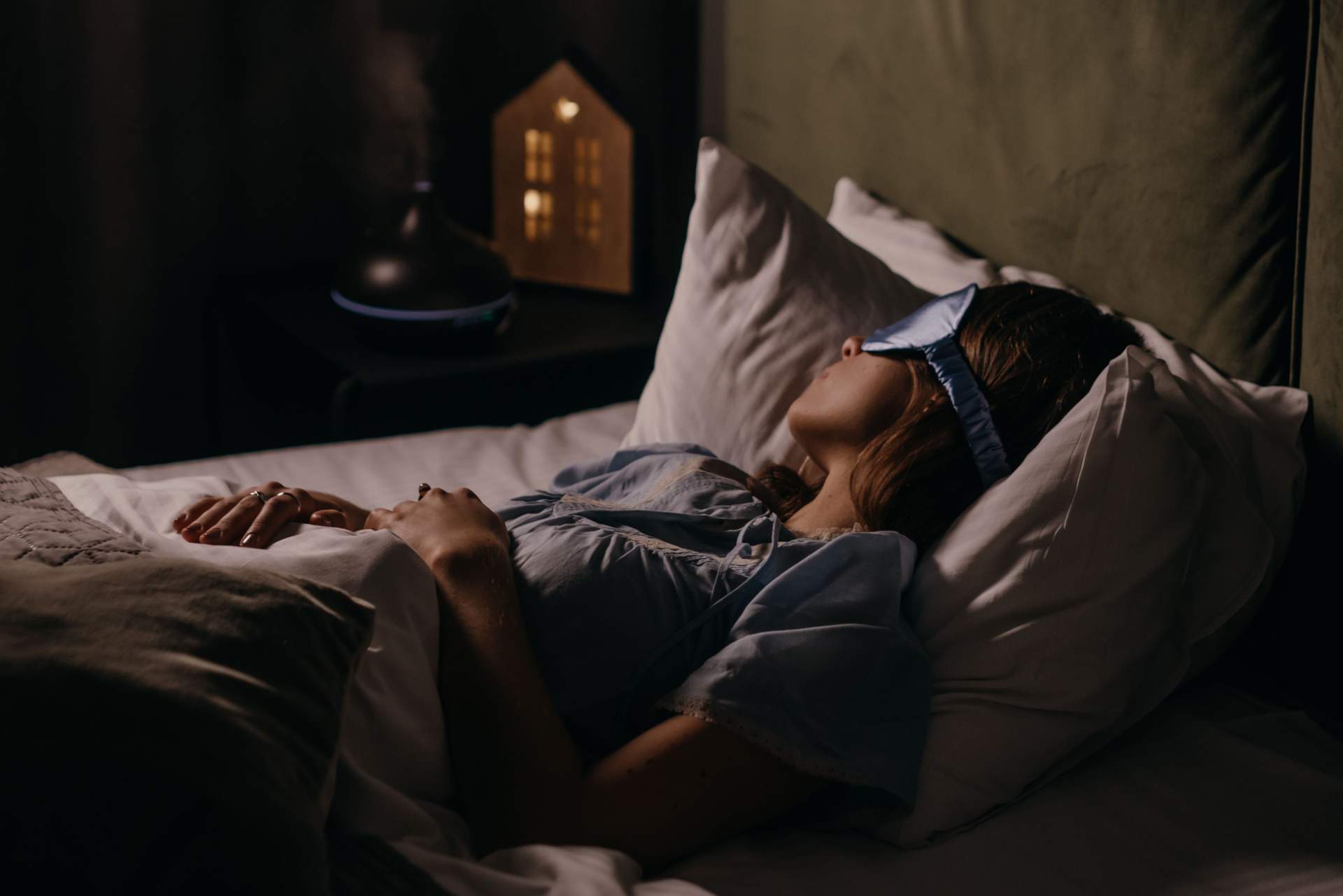
Plus, the psychological effect is powerful. For many, a closed door creates a protected, separate space that helps the mind relax.
It signals to our brain that we’re in a safe environment, encouraging deeper, more restful sleep.
While everyone’s different, many people report sleeping more peacefully in a “closed-off” space.
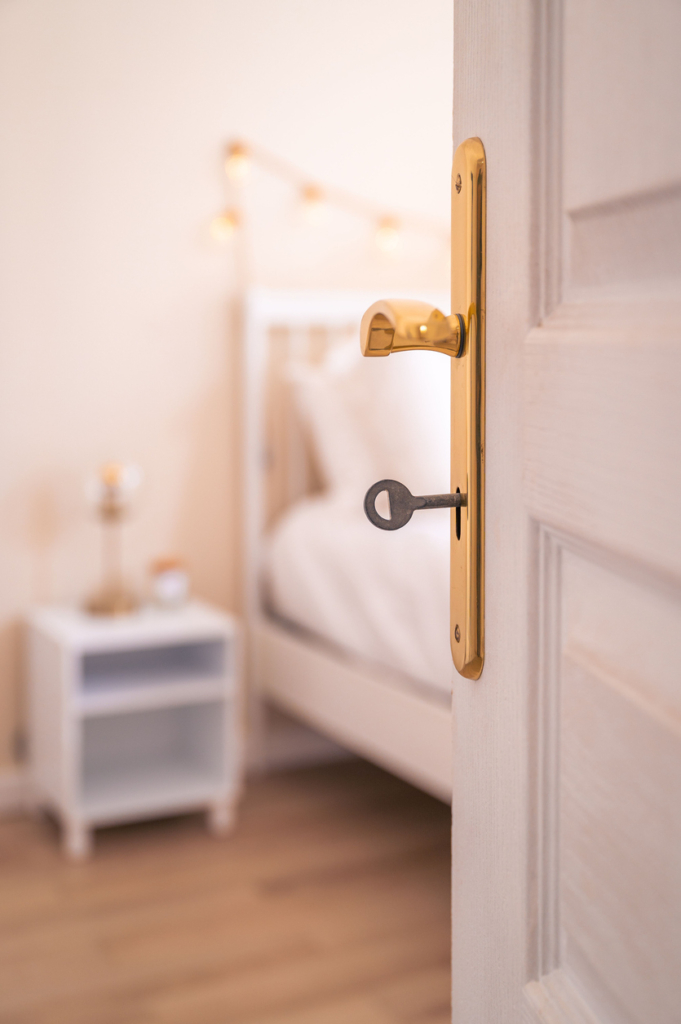
Why Do We Still Prefer an Open Door?
Despite all this, many still leave their door open, and there are reasons for that. The most common is better ventilation. An open door helps fresh air circulate, especially when airflow is limited. For some, it also reduces the feeling of being closed in, which can be uncomfortable.
Sometimes it’s practical too — like when watching a young child or wanting to hear if something’s happening elsewhere in the home. These reasons are totally understandable and often important. But experts say they’re mostly comfort choices that don’t always outweigh safety risks.
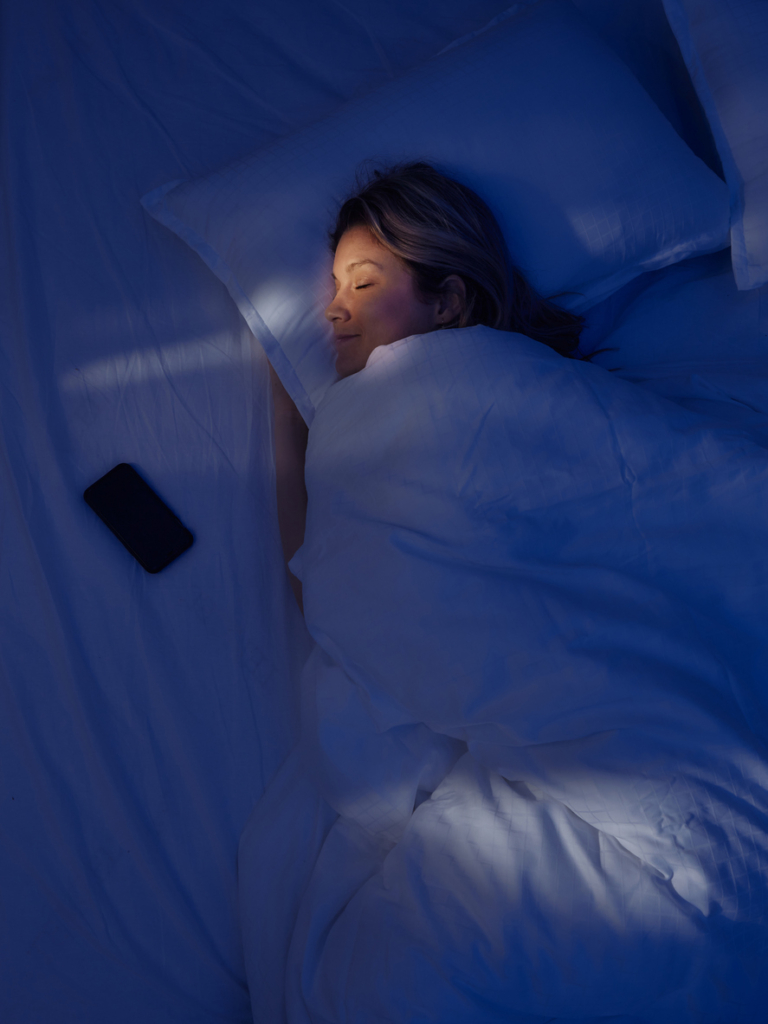
A Small Choice That Makes a Big Difference
The position of your bedroom door might seem like a minor detail in your daily routine, but it can have serious consequences. Closing your door takes little effort but offers strong protection in unexpected situations and supports a calmer, more undisturbed sleep. While an open door feels more comfortable and familiar to many, it’s worth considering how much that small compromise is really worth for greater safety and better rest.