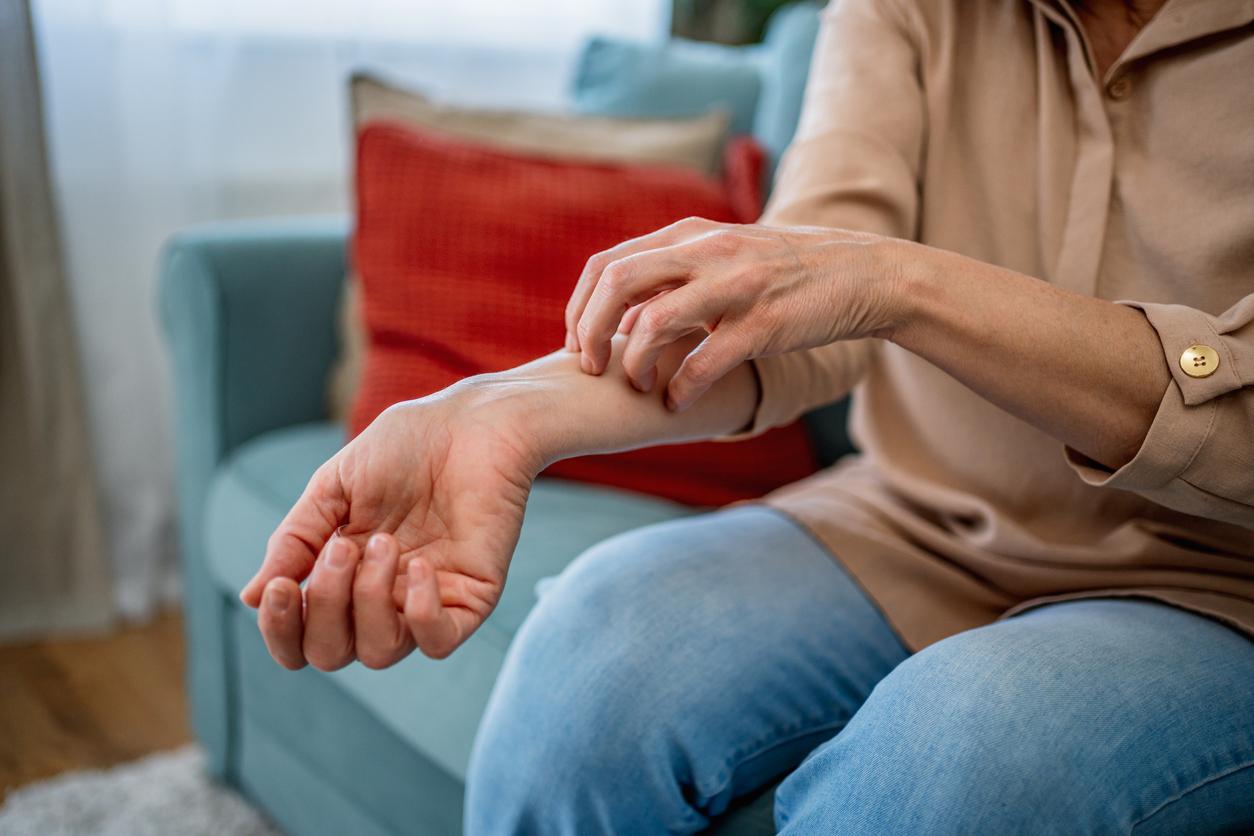
Our skin is the largest organ, covering a vast surface that can send signals when something isn’t quite right. But when sudden rashes or itchy patches appear—like hives (urticaria)—it’s not always just an allergic reaction. As the boundary that separates us from the outside world, our skin reveals much more about us than we might think.
Skin as a Sensor
Our skin is the organ through which the outside world connects with us—whether it’s temperature, light, moisture, or touch. But skin doesn’t just receive these stimuli; it reacts. From a holistic perspective, not only physical contact but also emotional boundary crossings can trigger skin irritation. For example, itchy red spots in urticaria often point to internal tension, boundary violations, or suppressed feelings—especially when no clear external allergen is found.
Overload and Sensory Overwhelm
When your skin suddenly “shouts”—itching, burning, breaking out in rashes or spots—it might be a sign your senses are tired or overwhelmed. Maybe you’re receiving too many stimuli—physically, socially, or digitally. Perhaps you don’t have enough space to “calm down” emotionally, or you’re not allowing yourself to fully feel your emotions.
Irritation and itching can be internal signals urging you to quiet the noise, create calm—and pay attention.
Suppressed Emotions and Inner Conflicts
Whenever a sudden rash appears, it’s worth reflecting on whether suppressed feelings or inner conflicts might be at play. Emotions often manifest physically, and skin symptoms can be their visible form.
You might feel torn, pulled in two directions at once. An unresolved feeling or memory could be surfacing, or maybe you’re hiding something—and that secret is trying to find its way out.
What Different Areas Reveal
When exploring causes, notice where the rash appears. If spots show up on your face, consider what you might be trying to show or hide from others—this inner conflict can cause emotional stress and trigger rashes.
Rashes on the neck might suggest something you want to say but haven’t yet—an unspoken word or sound.
Spots on the chest or around the heart area can indicate struggles with your emotional world or sense of belonging.
Symptoms on the arms may raise questions about how far you can reach out or how well you can push something or someone away. Rashes on the legs or soles remind you to reflect on your direction and where you want to go.
What to Do If Emotions Are Causing Your Rashes
When your skin sends a message, it’s best to respond both physically and emotionally.
Never skip medical check-ups, as allergies, infections, or other physical causes might be behind your symptoms. But also see the rash as a signal—not just a nuisance. What is your body trying to tell you?
Give your emotions space: meditation, mindful breathing, and movement can help quiet the inner noise.
When you honor your body’s needs, respect its limits, and address your feelings, you take the first step toward healing both the symptoms and their root causes.