Bien Logo

This Family Habit Shapes Your Child’s Future More Than School Does

Isabella Reed2 min read
Share:
This Family Habit Shapes Your Child’s Future More Than School Does — Family
In this article

The Power of Conversations Around the Table

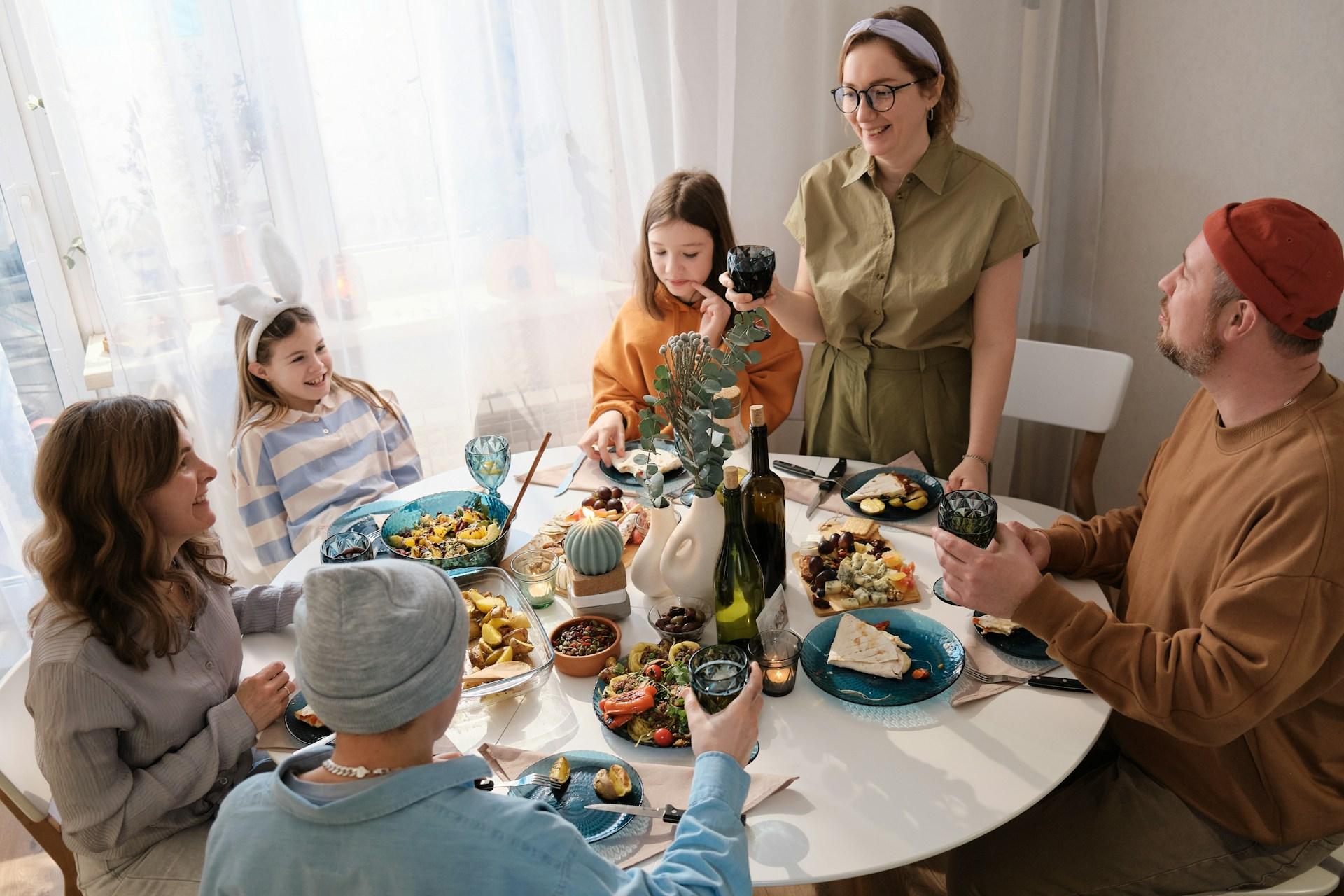
With life moving so fast, many families find it rare to have everyone at the dinner table at the same time. But eating together is about more than just nutrition—it’s a meaningful ritual. These moments give parents and children a chance to share their experiences, thoughts, and feelings. This simple yet profound habit can shape a child’s future far more than school achievements.

Research shows that kids who regularly join family dinners tend to do better in school. These gatherings naturally boost verbal skills and social development. Conversations spark growth in vocabulary, emotional expression, and empathy—building essential life skills.

The Emotional Benefits of Eating Together

Family meals don’t just strengthen language and emotional intelligence—they’re vital for emotional balance. The focused attention children receive during these times is irreplaceable. Families who keep this tradition often find their kids feel more secure at home and develop stronger bonds.

These emotional connections last well into adulthood. Those who grow up with positive emotional experiences at home are more likely to build stable, happy relationships later in life. Regular family meals create a safe space to talk through stress and daily challenges together.

The Importance of Shared Memories and Traditions

Habits and traditions formed during family meals quietly become part of a family’s legacy. Kids carry these memories into adulthood—they’re anchors throughout life. Time spent together, stories shared, and laughter create lasting bonds between family members.

Family traditions like Sunday lunches or holiday dinners strengthen identity and connect generations. These moments help children learn about their family’s history, values, and traditions—gifts they’ll pass on someday.

How to Make Family Meals a Regular Habit

Finding a time that works for everyone can be tough, but it’s worth the effort to make family meals regular. Start small—try one shared dinner a week and build from there.

During meals, put technology aside and focus on each other. Turn off phones and the TV, and dive into real conversations and connection. This simple change can make a big difference for everyone.

Related reads

Children's Day done differently: 5 activities the whole family will love — Family

Children's Day done differently: 5 activities the whole family will love

Looking for meaningful ways to celebrate Children's Day? These 5 fun, screen-free ideas will create lasting memories and bring the whole family closer together.

Isabella Reed
Girls are reaching puberty earlier than ever — here's why it's happening — Family

Girls are reaching puberty earlier than ever — here's why it's happening

Girls today are entering puberty years earlier than previous generations. From diet and chemicals to stress and genetics, here's what science says is driving the shift.

Isabella Reed
7 things about Mother's Day we only truly understand as adults — Family

7 things about Mother's Day we only truly understand as adults

We all celebrated Mother's Day as kids — but growing up changes everything. Here are 7 things that only make sense once you're an adult.

Isabella Reed
The best Children's Day activities in and around Budapest that the whole family will love — Family

The best Children's Day activities in and around Budapest that the whole family will love

From wizarding exhibitions to scenic train rides, here are the most exciting Children's Day activities in and around Budapest for an unforgettable family day out.

Inez Foster
"Have you ever heard someone say, 'Why doesn’t dad discipline the kid?' Well, me neither." Why are moms always blamed when kids misbehave? — Family

"Have you ever heard someone say, 'Why doesn’t dad discipline the kid?' Well, me neither." Why are moms always blamed when kids misbehave?

Society often scrutinizes moms and holds them solely responsible for their children’s behavior. But why is that, and how does it affect moms’ self-esteem?

Angela Price
Think you're the only normal one in your family? Here's what psychology has to say — Family

Think you're the only normal one in your family? Here's what psychology has to say

Everyone has said it at least once: "I'm the only sane one in my family." But psychology reveals something uncomfortable — and strangely freeing — about that belief.

Margaret Wolf