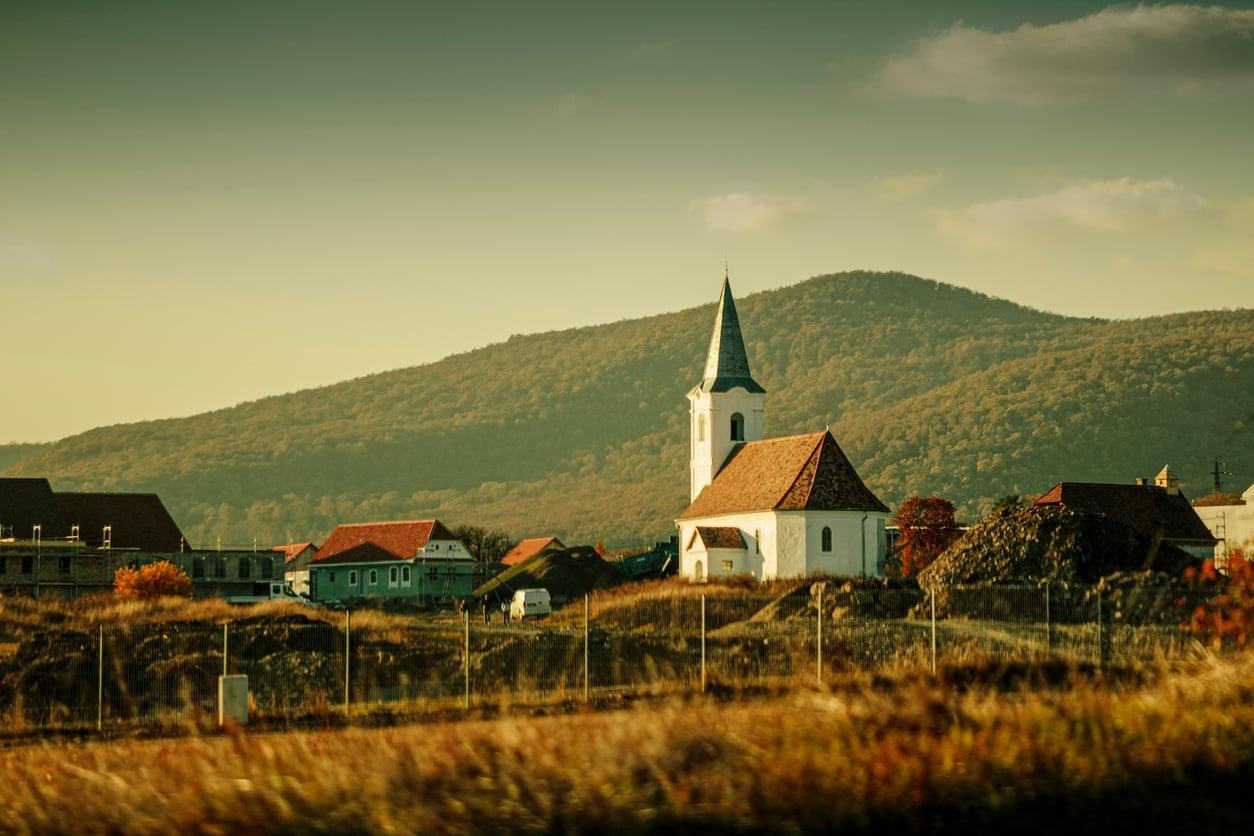
I grew up in a village of just six hundred people. The place where I spent my childhood is full of memories: a playground on the edge of the village where the creaking swings mixed with barking dogs; summer evenings spent scratching mosquito bites with friends; and that familiar quiet that my ears still recognize whenever I hear something similar. But beyond all that, what sticks with me most is the feeling of vulnerability, fear, and a deep desire to leave.
My childhood wasn’t easy. What others see as an idyllic refuge felt more like a tight cage to me—one I wanted to break free from as soon as possible. I had to, if I didn’t want to live in the fear waiting behind the door every night.
It wasn’t the beauty of the landscape or the warmth of the community that stayed with me, but rather that everyone knew everything about everyone, that gossip spread faster than the postman’s bike, and that being different meant not acceptance but bullying. Because of this, silence was necessary—even if it meant not speaking about abuse at home.
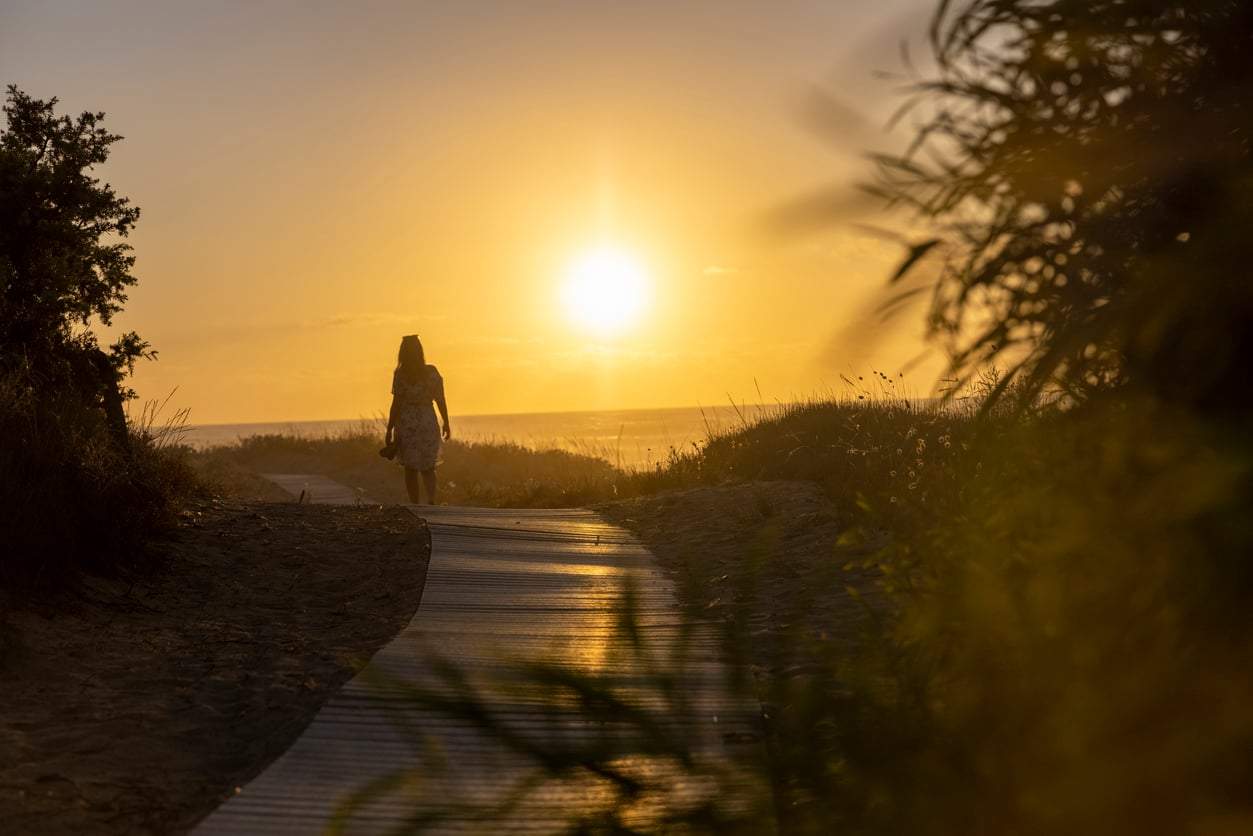
I left and never looked back
I haven’t lived there since I was fourteen. High school brought boarding school, then university, followed by shared apartments and finally my own place—each step shaping a new life where I set the rules. The village remains part of my life only because of family: they still live there, and if not before, I visit at Christmas.
These visits bring mixed feelings. On one hand, there’s some nostalgia—after all, no matter how hard it was, it’s where I was born, learned to ride a bike, and made my first friends.
On the other hand, I never truly feel like I’m going home. The house, the streets, every corner of the village feels more like a stranger, like the set of an old movie where I no longer have a role.
I created my own home
Because my true home isn’t there. My home is where I feel safe. Where I receive unconditional love and acceptance. Where I don’t have to explain myself, worry, protect my secrets, or hide who I really am.
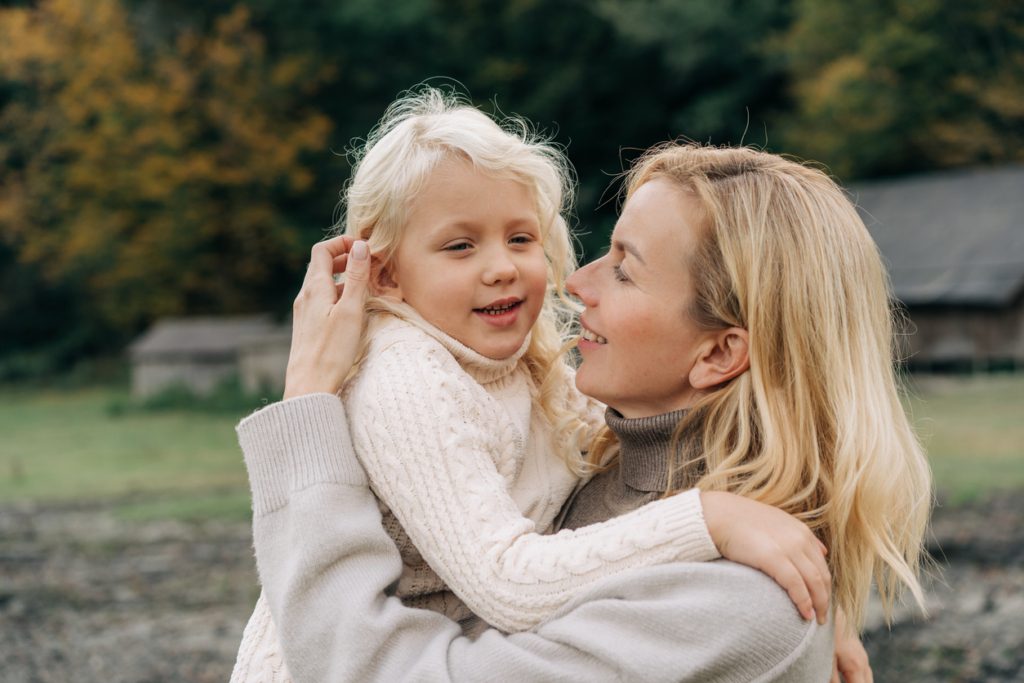
Today, that home is the little world I share with my daughter. We live there in peace and harmony, by our own rules. It’s not perfect—nothing is—but every detail was built from our choices. This is the space where I don’t feel like a stranger, where the shadows of the past don’t weigh me down.
Strange spaces
When I go back to the village, I often feel like I’m peeking into someone else’s life. Like looking through a window into a room I don’t want to enter, knowing I no longer belong there. The questions from old acquaintances, the old habits, and the rhythm of village life all feel foreign, as if I was never really part of this world. Yet I once lived here, was part of this fabric.
This tension—the pull of memories and the distance growing between us—comes up every visit. I feel the nostalgia, but more and more, I realize: I don’t belong here anymore.
Home is not a place, but a feeling
For a long time, it was hard to admit: the village is no longer home to me. But now, I feel no guilt about it. Home isn’t a geographic spot, not the childhood house or the street I grew up on. Home is a feeling—the feeling of safety, love, and freedom.
I found that feeling somewhere else. And today, I simply feel lucky that I finally found it.