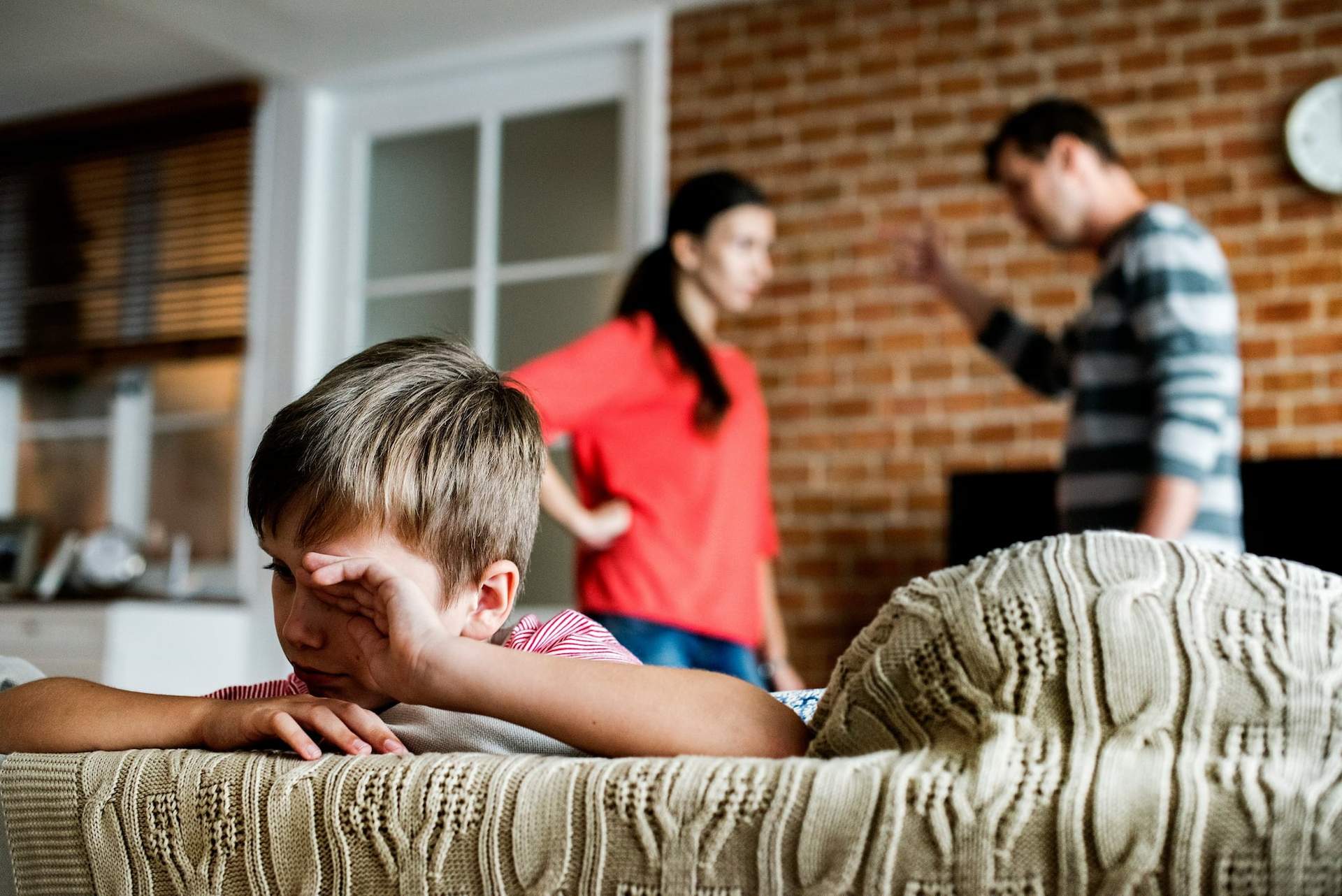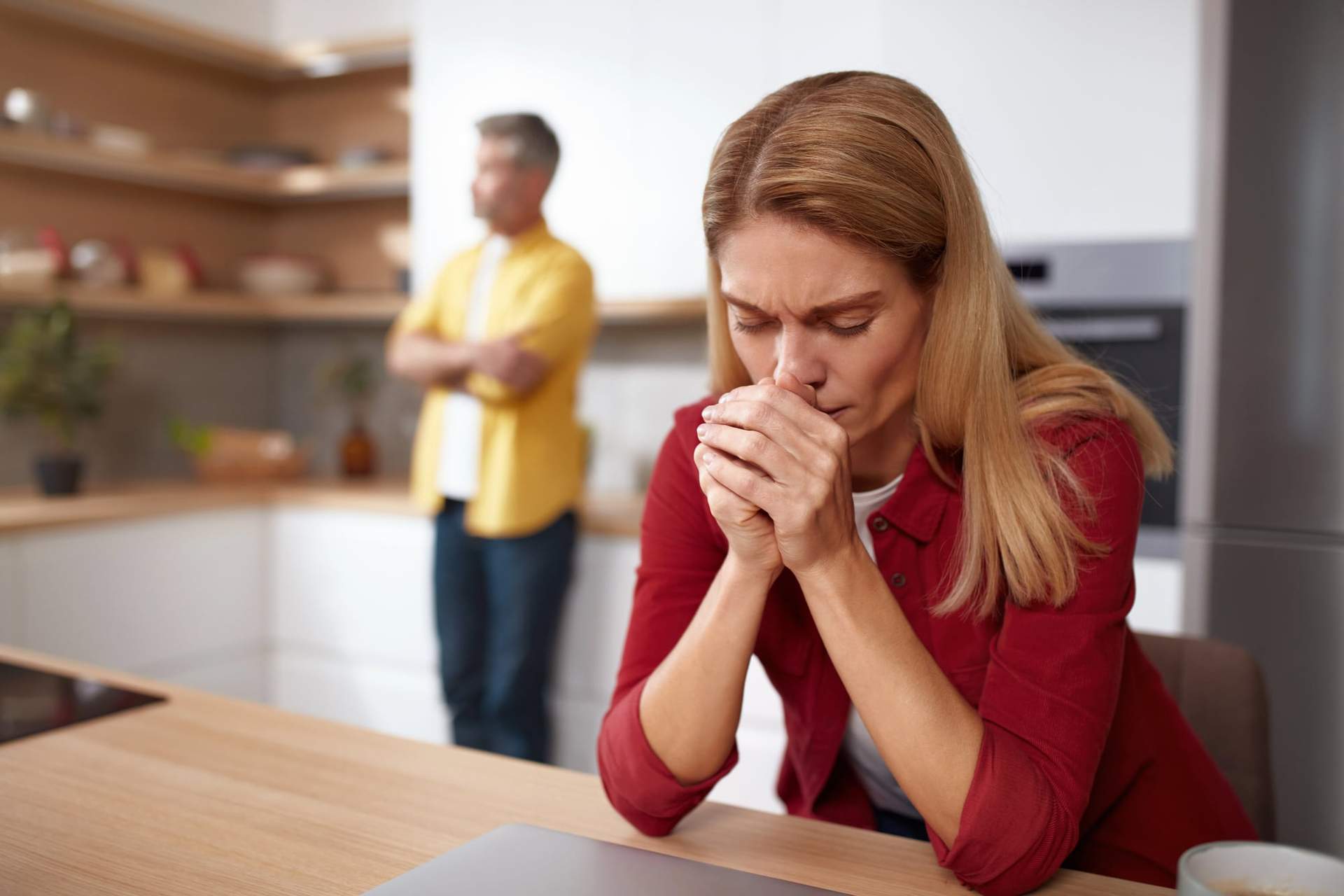
Neuroticism, characterized by emotional instability and heightened reactivity, is a major factor behind many divorces. While every relationship has ups and downs, people with high neuroticism tend to interpret these lows in negative and harmful ways.
Why Can Neuroticism Signal the End of a Marriage?
Strong negative bias increases the chance of conflict. One key reason neuroticism harms marriages is that neurotic individuals often view ambiguous or neutral events through a pessimistic lens. This magnifies otherwise minor conflicts.
A 2020 study published in BMC Psychology found that couples with higher neuroticism levels report lower marital satisfaction. This is largely because these individuals focus more on negative experiences. They may even interpret their partner’s kind remarks or actions as hostile or threatening.
Researchers explain that neuroticism’s negative impact on marital satisfaction can stem from anxiety, tension, seeking pity, hostility, impulsivity, depression, and low self-esteem.
People high in neuroticism are more sensitive to stress, and even small annoyances can trigger outsized emotional reactions. In marriage, this creates an emotional minefield, leading to constant conflicts, misunderstandings, and emotional exhaustion for both partners.
For example, a partner might innocently forget to take out the trash, but the neurotic spouse could see this as carelessness or disrespect, sparking an unnecessary argument. This constant flow of negativity wears both partners down, turning the relationship from a safe haven into a stress-filled zone. Over time, these emotional swings can drive them apart.
On the flip side, researchers found that couples who show “conscientiousness”—a trait linked to organization, self-discipline, reliability, and goal focus—usually experience higher marital satisfaction. Being able to manage stress and stay calm tends to build a more stable, supportive relationship.
Since conscientious people are disciplined, principled, and effective at handling relationship challenges, they’re generally more satisfied in their partnerships. They avoid aggressive reactions and control impulses—highlighting how important mindful responses are in daily relationship interactions, researchers say.

Emotional Reactivity Can Undermine Intimacy
People with high emotional reactivity struggle to manage their feelings, often reacting with heightened sensitivity, intense outbursts, and slow recovery from negative emotions.
Researchers note that neurotic individuals can be perceived by their spouses as unfriendly or even hostile. So, if one partner is highly emotionally reactive, the other often feels hurt, neglected, or misunderstood, which harms the marriage quality.
For a relationship to thrive, both partners need to feel their emotional needs are met. Couples who calmly handle stress and respond to each other’s emotional needs build trust and intimacy.
On the other hand, if one partner constantly reacts with anger, anxiety, or frustration, it becomes hard for the other to offer support. This dynamic weakens the closeness couples need to maintain a healthy bond.
Family systems theory explains that couples form an emotional community, emotionally connected to each other. One partner’s emotional experiences can affect the other, meaning emotional reactivity ripples through the relationship.
Researchers warn that high emotional reactivity can lead to withdrawal behaviors like avoiding physical contact, ignoring each other’s feelings, or refusing important conversations. Without intervention, this isolation, hurt feelings, and eventual divorce create a downward spiral.
Couples committed to emotional awareness, self-regulation, and recognizing each other’s needs can break the cycle of reactivity in their marriage. It’s key to remember emotional stability isn’t about avoiding stress but responding in ways that preserve safety, trust, and closeness in your relationship.