Healthy aging has long been a focus for researchers—and many of us too. While flashy promises and quick fixes pop up now and then, science usually offers more measured conclusions. A recent two-year clinical study suggests that a moderate, sustainable dietary change can positively impact the body’s biological aging processes.
What Did the Study Examine?
The study involved healthy young and middle-aged adults without obesity, who weren’t dieting to lose weight. Researchers explored how a slight, long-term reduction in energy intake affects the body, especially focusing on biological aging processes—reports The Healthy.
Participants consumed on average about 12% fewer calories than their usual diet.
This didn’t mean drastic cuts daily—more like smaller portions or skipping some extra calories.

Slower Biological Aging Observed
Researchers tracked not only traditional health markers but also used a cutting-edge DNA-based method measuring cellular aging speed. Those who moderately reduced their calorie intake showed slower biological aging compared to the control group.
The difference was estimated at a 2-3% slower aging rate. While not dramatic on its own, experts believe this could have meaningful health benefits over time.

How Do Experts Interpret This?
Study leaders emphasized that the observed effect size is comparable to the long-term health benefits of certain lifestyle changes, like quitting smoking. This doesn’t mean the two work the same way, but their estimated impact on biological aging could be similar in scale.
Moderate calorie reduction is especially interesting because it’s realistically achievable for many and doesn’t require extreme restrictions.
What Happened to the Muscles?
The study also found that while some participants experienced slight muscle mass loss, muscle strength did not decline. In fact, muscle efficiency improved, meaning each unit of muscle produced more force.
This is key since maintaining muscle strength is crucial for healthy aging, and many worry that eating less automatically leads to weakness.
The Link Between Inflammation and Aging
Genetic-level changes were also observed: activity in processes linked to chronic, low-level inflammation decreased, while mechanisms supporting long-term health strengthened.
Since chronic inflammation plays a role in many age-related diseases, this finding helps explain why even small dietary changes might matter.
Proper Nutrient Intake Was Essential
Experts also noted the study’s limits: participants were healthy, and the research lasted two years, so long-term effects on lifespan remain unknown.
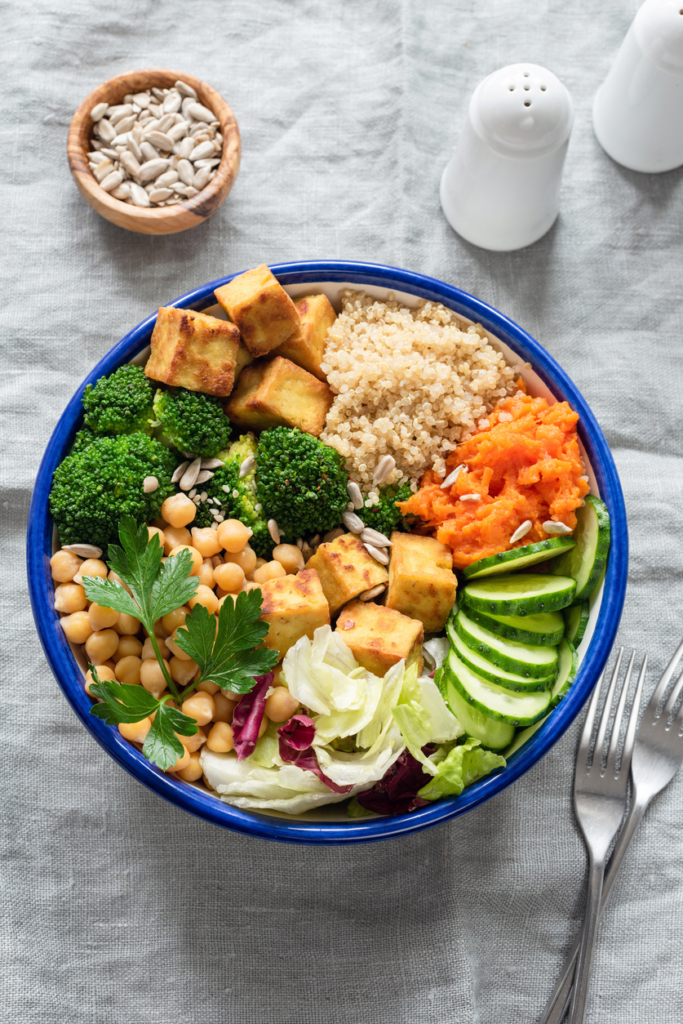
Importantly, calorie reduction here didn’t mean fasting or one-sided eating. Proper nutrient intake was a constant priority.
Encouraging Results
The study’s overall message is cautious but hopeful: you don’t need drastic lifestyle changes to positively influence your body’s aging process.
Small, mindful, sustainable changes—like modestly reducing portion sizes—can support healthier aging under the right conditions.
Before making major dietary changes, it’s wise to consult a healthcare professional, especially if you have chronic conditions or a history of eating disorders. The goal is not deprivation but long-term well-being.