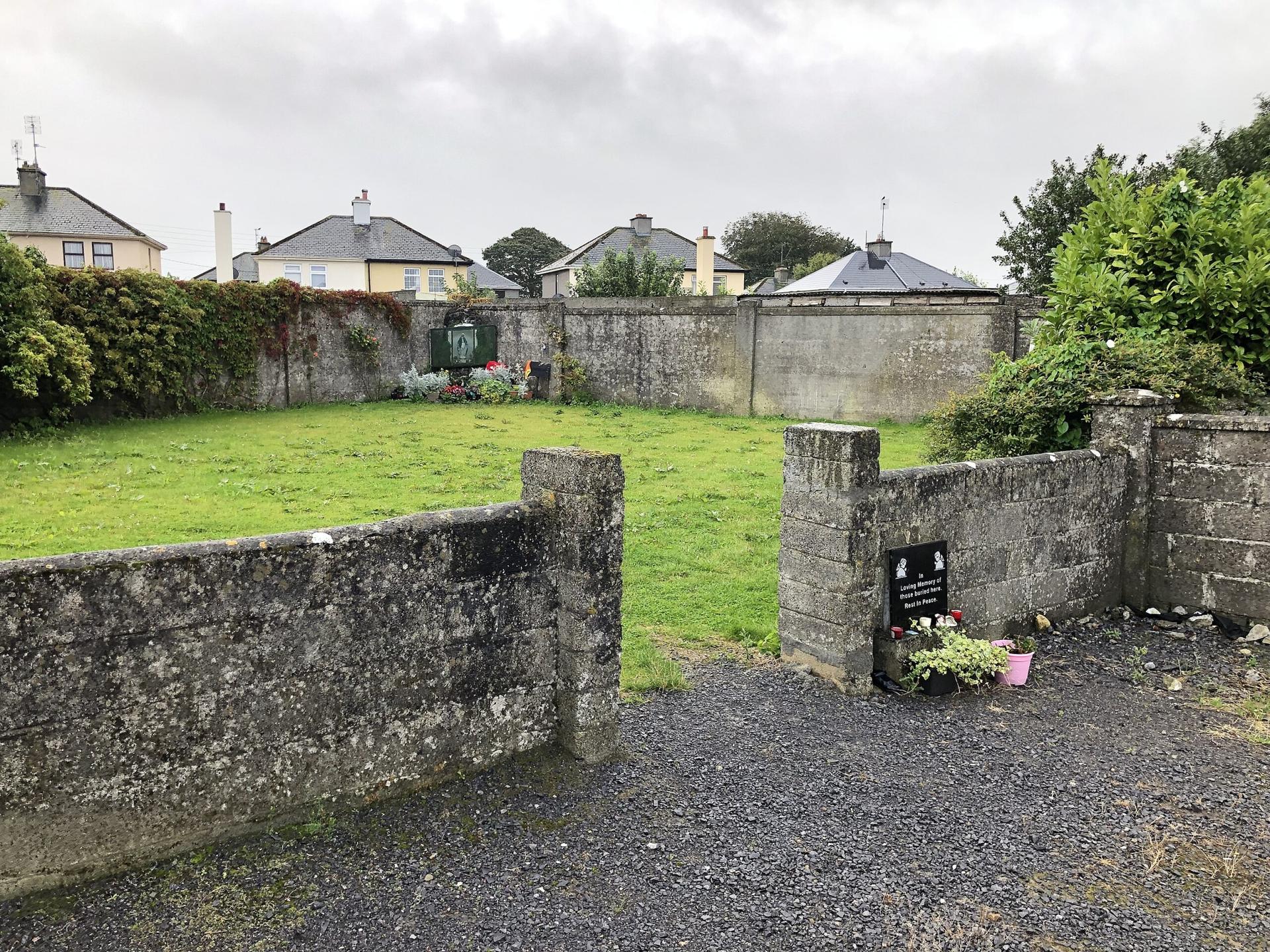
Revealing a Place of Heartbreaking Secrets
Operated by the Bon Secours Sisters from 1925 to 1961, this institution offered “refuge” to women stigmatized by society—mainly young, unmarried pregnant girls. Sadly, many babies never reached their first birthday.
Now, more than a century later, a respectful process has finally begun to bring closure to this painful chapter.
On July 14, a specialized excavator carefully started uncovering the 5,500-square-meter site, now nestled in the middle of a residential neighborhood. The team aims not only to recover remains but also to identify and provide dignified reburials whenever possible.
A Local Historian Follows the Trail of Tragedy
“I felt such relief when this finally started,” said Catherine Corless, the local historian whose tireless research brought this heartbreaking story to light. “It’s been a long journey—sometimes almost too much. But for me and those still hoping to find their loved ones, this is a moment of hope and joy.”
Corless’s research exploded into public awareness a decade ago when she uncovered death certificates for 796 children—yet no burial records existed.
Some children’s remains were placed in an abandoned underground sewage tank, nameless and without dignity. Official recognition of the case was absent for years—until 2014, when Corless revealed her findings, sparking local, national, and international attention.
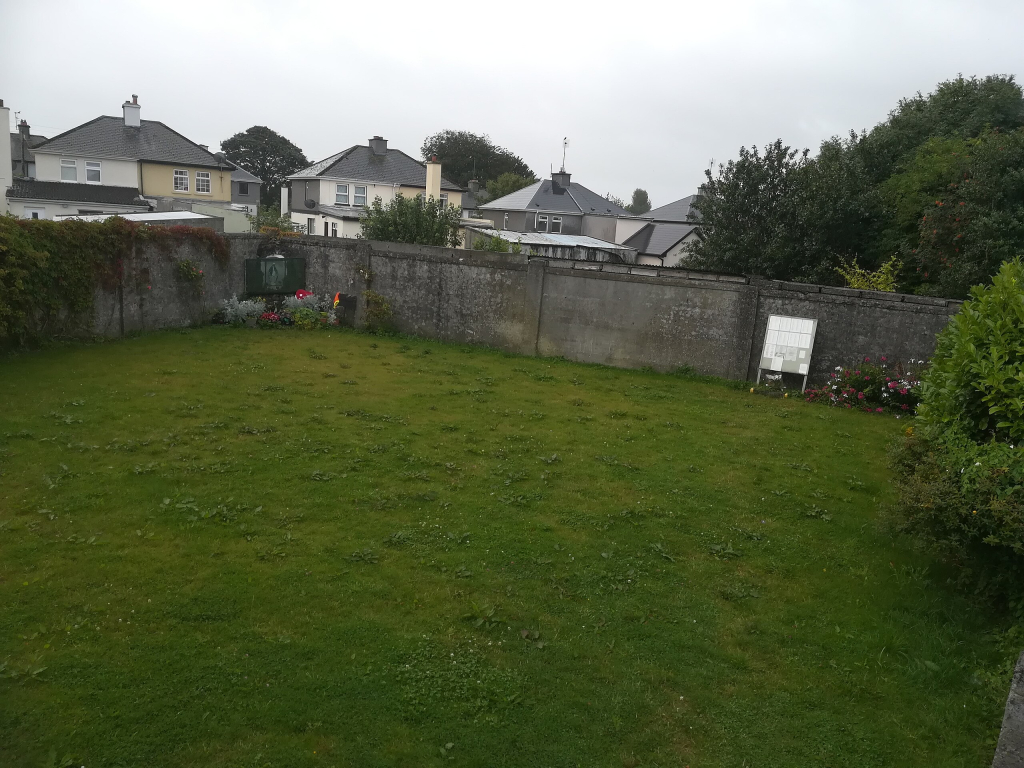
Excavation Could Take Up to Two Years
The current excavation was organized by Odait, the official Tuam intervention office, and is expected to last about two years. Daniel MacSweeney, leading the dig and a former Red Cross international delegate, shared:
“This work demands forensic-level precision—as if we’re investigating a crime scene. Our team includes members experienced in criminal investigations. If we find any signs of unnatural death, we are obligated to notify the police or medical examiner.”
Complex Work Underway
The site houses a dedicated lab and offices where initial examinations can be done before samples are sent to larger labs. Some relatives have provided DNA samples to aid identification.
The 18-member international expert team includes representatives from Ireland, the UK, Australia, Colombia, Spain, and the USA. The conditions are challenging: remains must be recovered from about two meters (6.5 feet) deep, groundwater must be filtered, and victims of the 19th-century famine and workhouse may also be nearby.
“Many small bones are intertwined because water seeped underground. I really hope we can separate and piece them together.”
Corless has handed over all her research to the excavation team, saying, “They are the best in their fields and share the same emotional commitment as I do. They want to uncover the truth, too.”
A Long Silence Covered the Past
St. Mary’s Home closed in 1961, the building was demolished, and today a housing estate stands on the site. Yet beneath the ground lies a painful story: as early as 1975, two boys found human remains in the old sewage tank, but authorities took no action. Decades of silence followed until Corless’s persistent work finally brought state attention to the case, offering hope to those seeking justice and peace.
A Film Is in the Works
The quest for truth is not just a matter for researchers and families—a film about the Tuam Mother and Baby Home tragedy is underway, with Liam Neeson as co-producer. Filming will begin this year in Galway.
The story of the Tuam Mother and Baby Home is painful but vital. It reminds us that even the darkest past must not be forgotten. This investigation and the respectful remembrance of the victims carry a message of hope and healing—for survivors and those still searching for their loved ones.