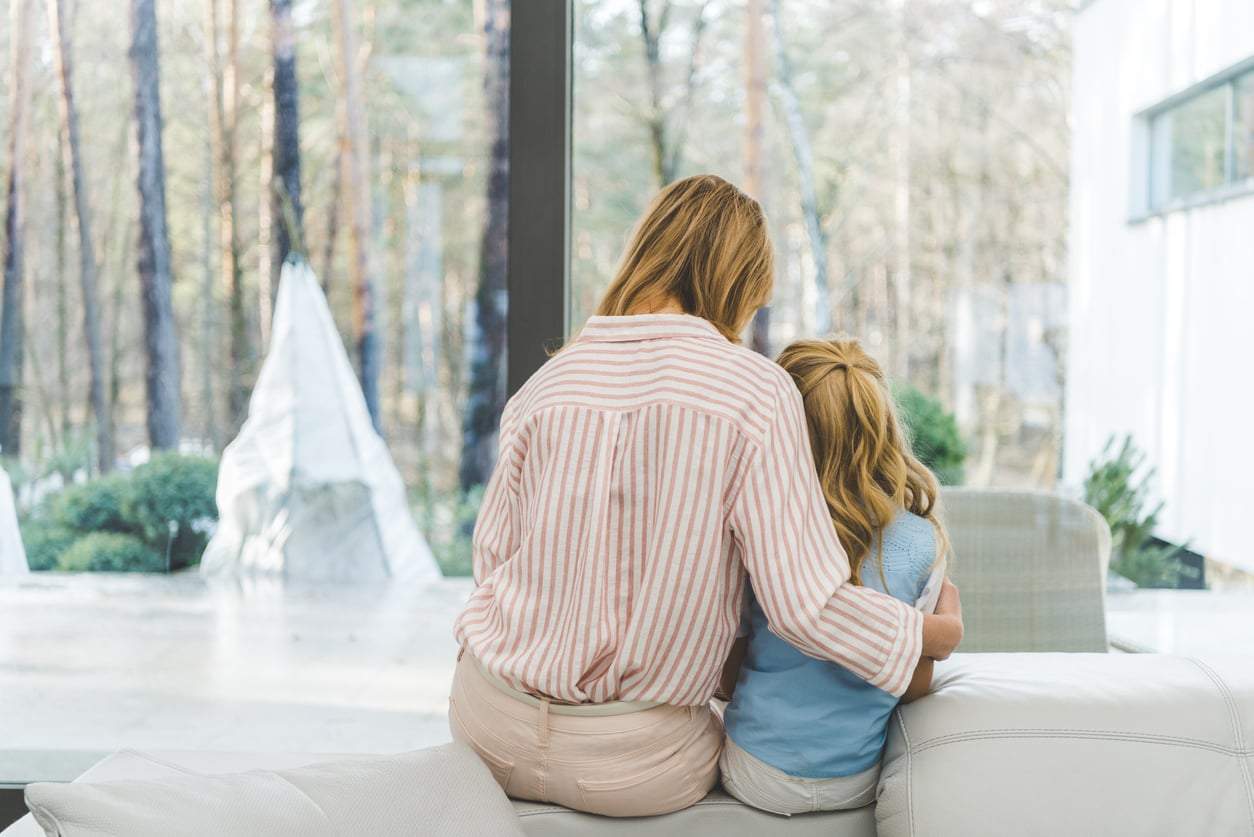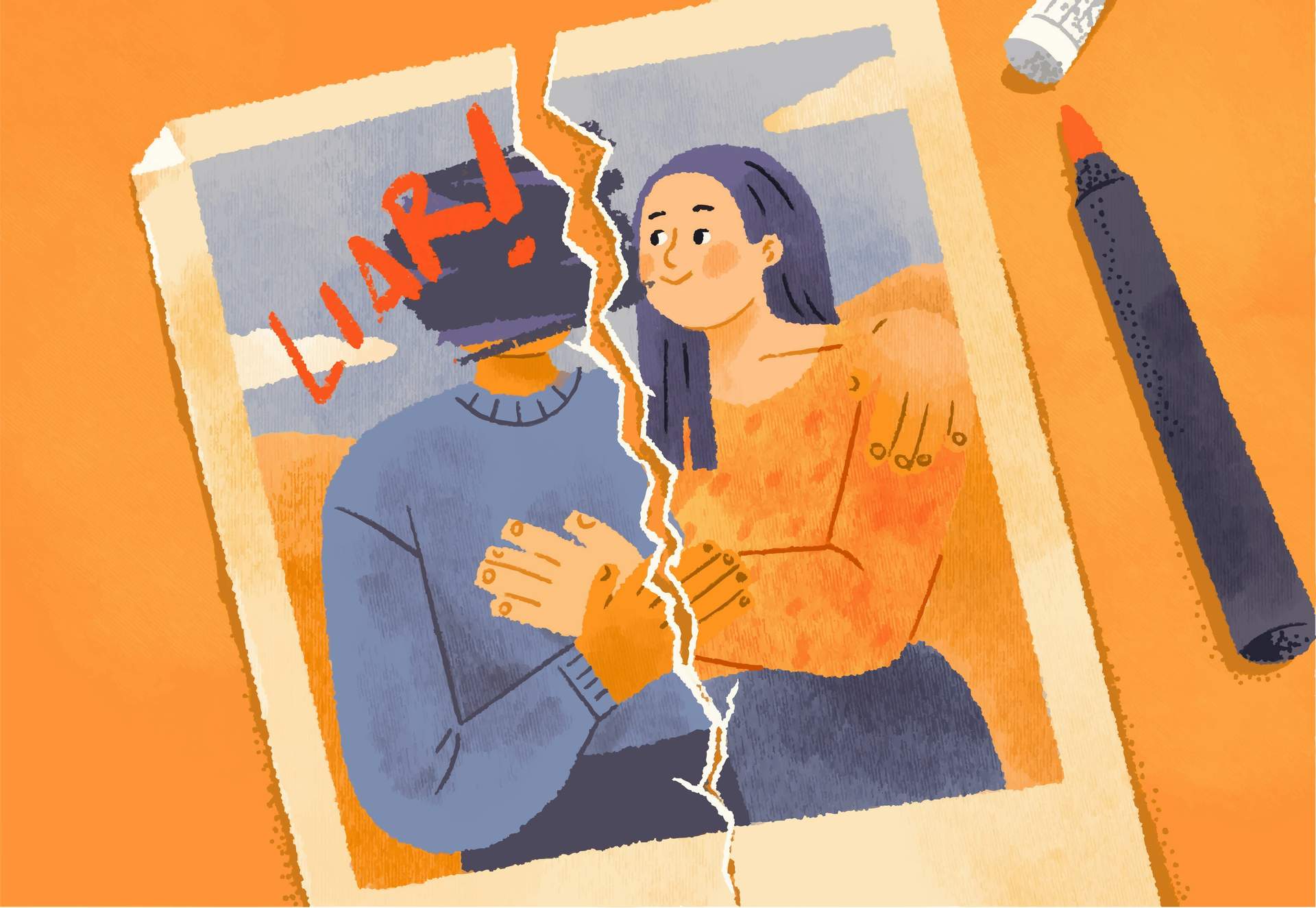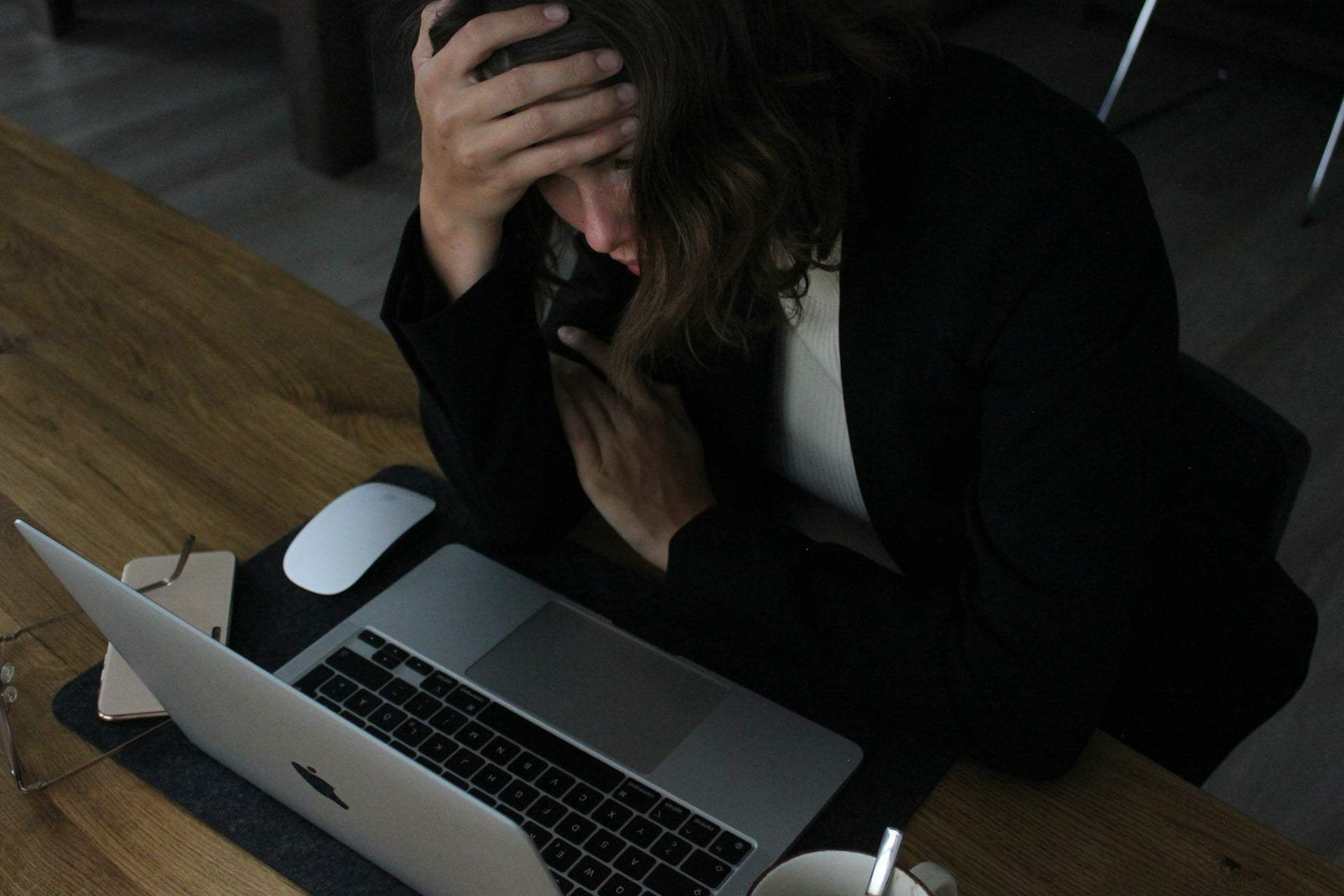
People often talk about “going home” as if it’s automatically a warm, comforting, nostalgic experience—visiting the place where you grew up. A safe spot to retreat to whenever life gets too loud, too hard, or just too much. A place to set down your burdens, be a kid again, and feel cared for. I get that perspective—I just don’t know it from the inside.
For those raised in unsafe environments, visiting home as an adult means something very different. It’s not nostalgia, but tension. Not arrival, but alertness. Not peace, but a subtle, constant inner alarm. Going home isn’t about finally enjoying mom’s plum pastries again or running into old classmates and playing ball with the family dog in the yard. For me, visiting home means tiptoeing for days on eggshells, on the porch of hell, trying to avoid falling into those terrible memories, into a worn-out mental state.
That’s why I avoid having to go home whenever I can
Not because I’m angry or can’t forgive, but because I know how these visits affect me.
I know that even though I’m no longer in the danger I faced as a child, the environment, the people, the roles, and the unspoken rules remain the same. And they’re strong enough to make my body react as if I’m still there, in that vulnerable past state.

One tone, one look, one dinner table dynamic can pull me back to an old state. I feel it in my stomach, my chest, in the way I breathe.
Some people avoid going home altogether because of this. And I completely understand that. I know it’s not about revenge, sulking, or being offended. It’s about protecting oneself. Trying to create a safe space for the inner child who never had that safety growing up. And there’s nothing disrespectful about that. It’s a survival strategy.
An adult decision shaped by childhood absence.
Only Twice a Year
I travel home twice a year. Intentionally. Thoughtfully. And I limit my visits to one night at most. I know that’s the amount of time I can handle without falling apart. I know that staying longer isn’t just uncomfortable—it’s emotionally and mentally risky. Emotion regulation gets harder, old patterns resurface, and suddenly I’m right back where I don’t want to be.
I also know that when I return to my own life, I need 2-3 days. Not because I’m weak, but because my nervous system is working. It needs time to calm down and feel safe again. This isn’t drama or oversensitivity—it’s biology. A body’s response to what it once learned to survive, with patterns that never fully fade. I’ve learned to accept this and love myself for it—and that’s why I give myself the time and space I need.

If you feel this way too, I want you to know: it’s completely normal. You’re not ungrateful. You’re not too sensitive. You’re not a bad person for setting boundaries as an adult. You have the right to go home less often. You have the right not to go at all. You can set time limits, sleep elsewhere, plan your own activities, or use any tools that help reduce the impact of triggers.
“Home” doesn’t mean safety for everyone. For many, it brings mixed feelings: a place with good memories and people they love and miss, but also visceral experiences they never want to relive. It’s totally normal to feel conflicted about your home, and to do everything you can to keep the negative parts from affecting you.
Some leave home for work, study, or love. Others leave to build their own life—a life where their body and mind can finally breathe. And part of that life can absolutely be taking care of yourself by keeping out those who might cause harm.