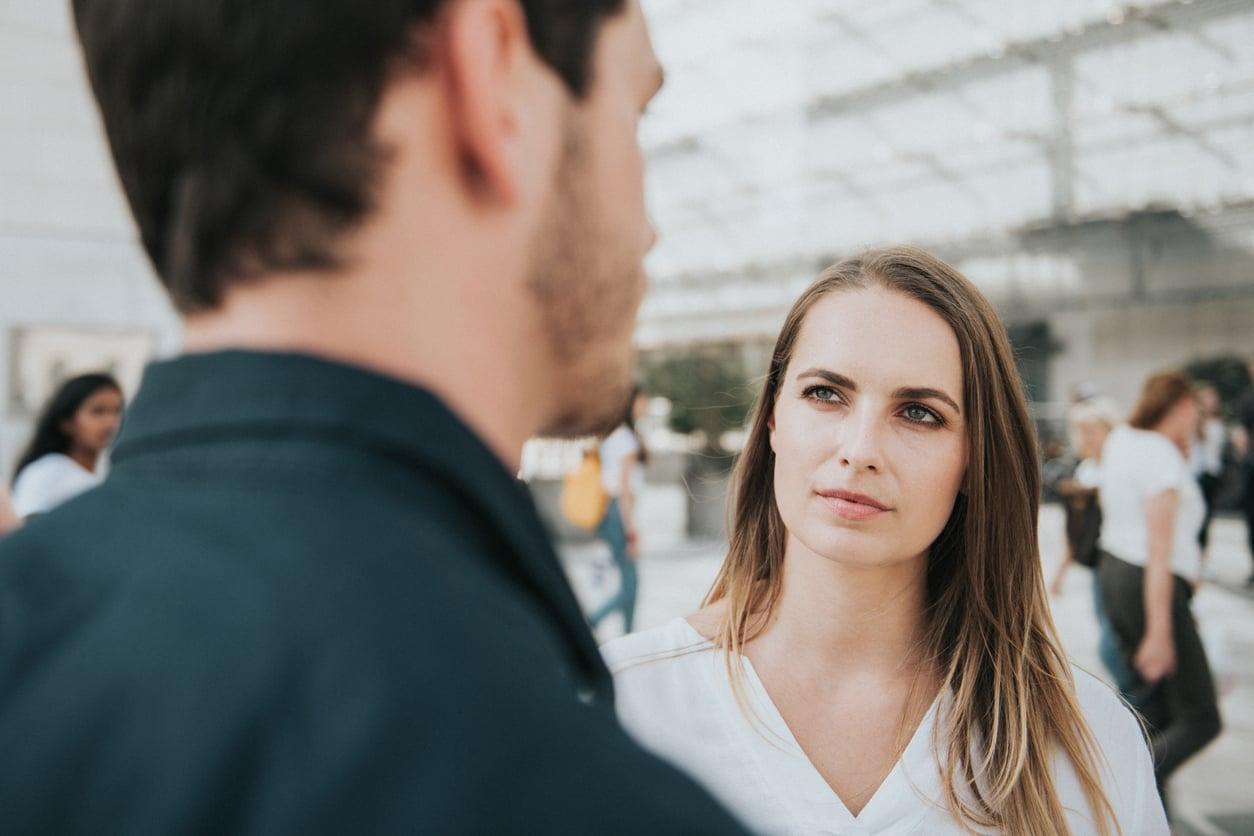
Body language is a powerful tool that reveals hidden emotions and thoughts. Often, when words fall short or we don’t want to fully share what we feel or think, our bodies give us away. This is especially true for gestures, posture, and facial expressions. So, what should you watch for to spot if someone isn’t being completely honest with you?
What Posture Tells You
The first and most obvious clue about the truthfulness of communication is posture. An upright, open stance usually signals honesty and confidence. If someone sits or stands tall without crossing their arms or legs, they’re likely communicating clearly and sincerely.
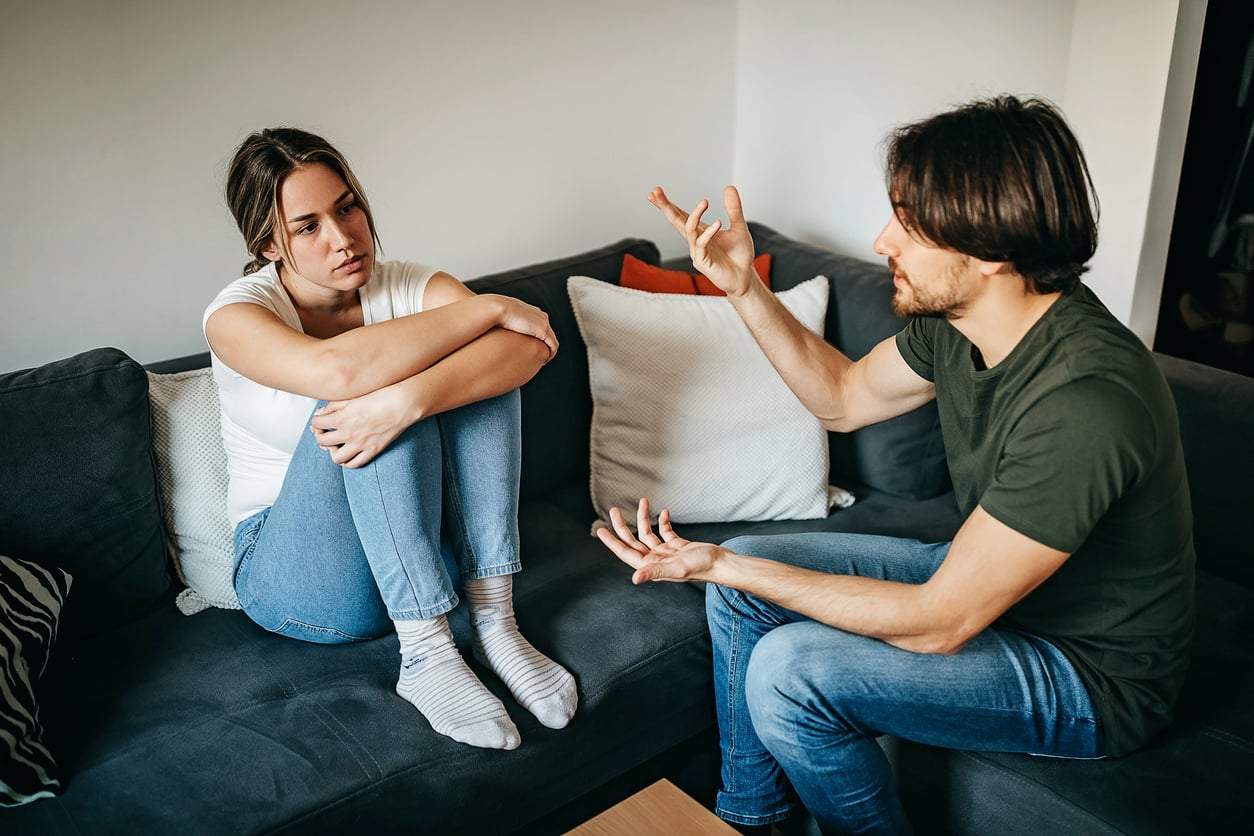
On the other hand, leaning forward, slouching, or crossing legs can signal withdrawal or a self-protective stance. It’s worth wondering why they might be guarding themselves. Are they uncomfortable in the conversation or hiding something?
The Power of Gestures and Hands
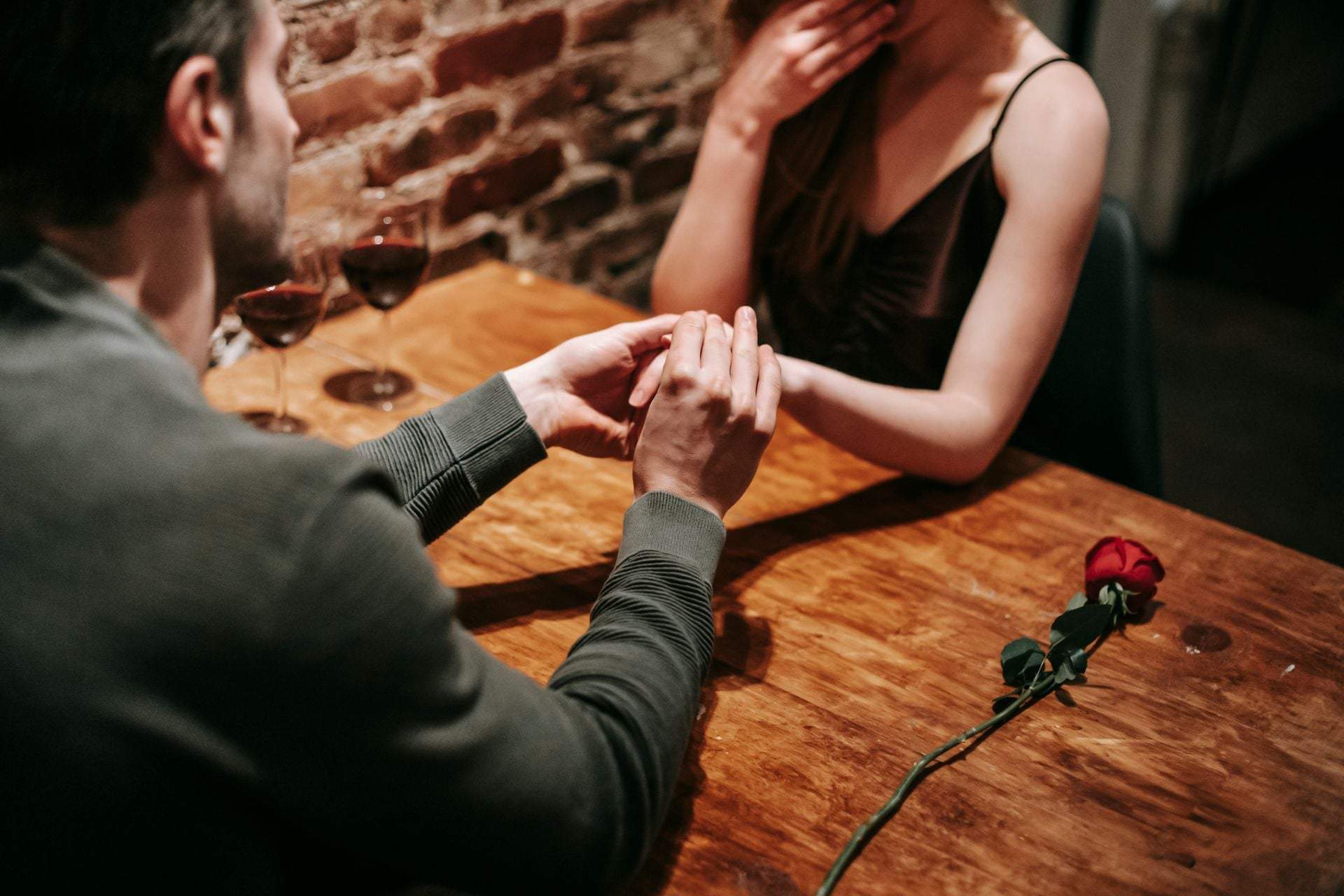
Hands and gestures speak volumes too. Honest people tend to use their hands freely, with relaxed, natural movements that add clarity and emotion to their words.
But if someone hides their hands, stuffs them in pockets, or moves stiffly and robotically, it might signal tension or a desire to conceal something. Constantly keeping hands in pockets while walking can be a subtle but telling sign.
The Face as a Mirror of Emotions
Facial expressions are deeply ingrained, instinctive reactions that reveal our feelings. A genuine smile, for example, engages the muscles around the eyes, signaling true happiness and joy—not just lip movement.
But if a smile appears only for politeness, without eye involvement, it’s more about formality. Also, watch how expressions change during a conversation. Quick reactions, sudden blushing, or unusually neutral faces can reveal a lot.
The Power of Eye Contact
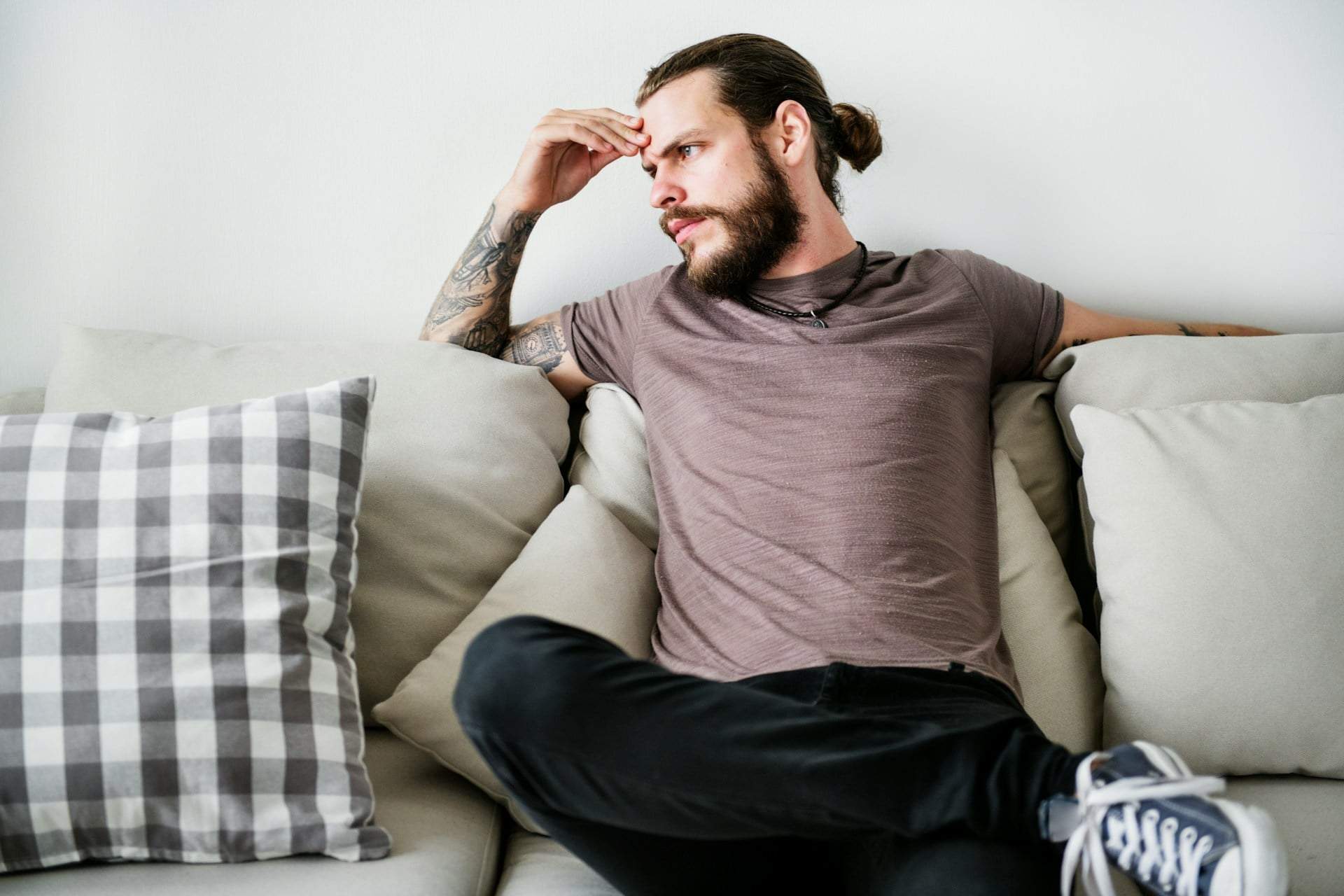
They say eyes are the windows to the soul, and that holds true for honesty too. Someone who maintains calm eye contact usually feels confident and truthful. Avoiding your gaze, blinking excessively, or staring too rigidly can all hint that something’s off.
Eye direction is fascinating: looking right often means imagining something, while looking left suggests recalling a memory. So if someone looks the “wrong” way after your question, it might be worth paying closer attention.
Contradictions Are Warning Signs
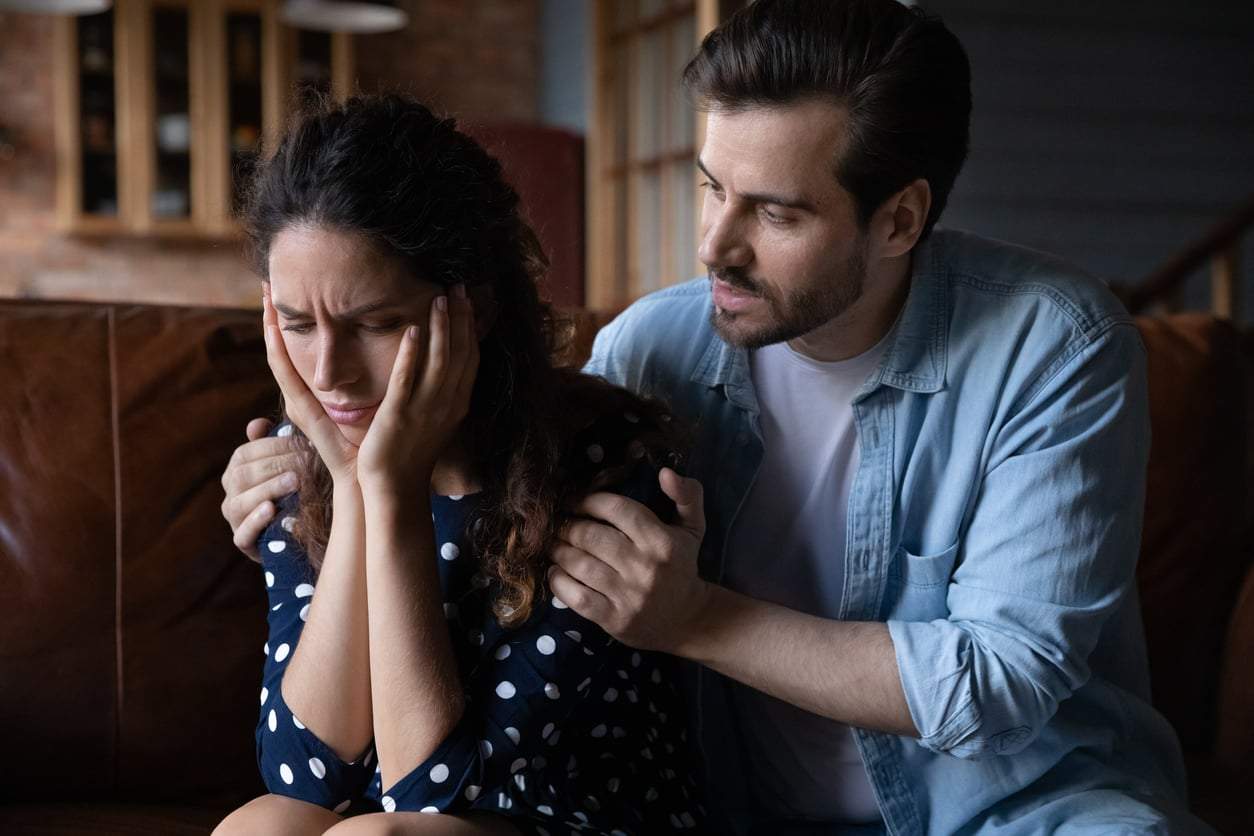
Gestures, posture, facial expressions, and eye contact paint a nuanced picture. But the biggest giveaway is when these don’t match the words. For example, if someone says they’re calm but their hands tremble or their body turns away, tension or dishonesty might be at play.
These subtle but telling signs help us understand what the other person is really trying to say. No matter the situation, taking time to consciously observe and interpret these clues can reveal that our bodies often communicate far more than words ever could.