How Isolation Impacts Mental Health
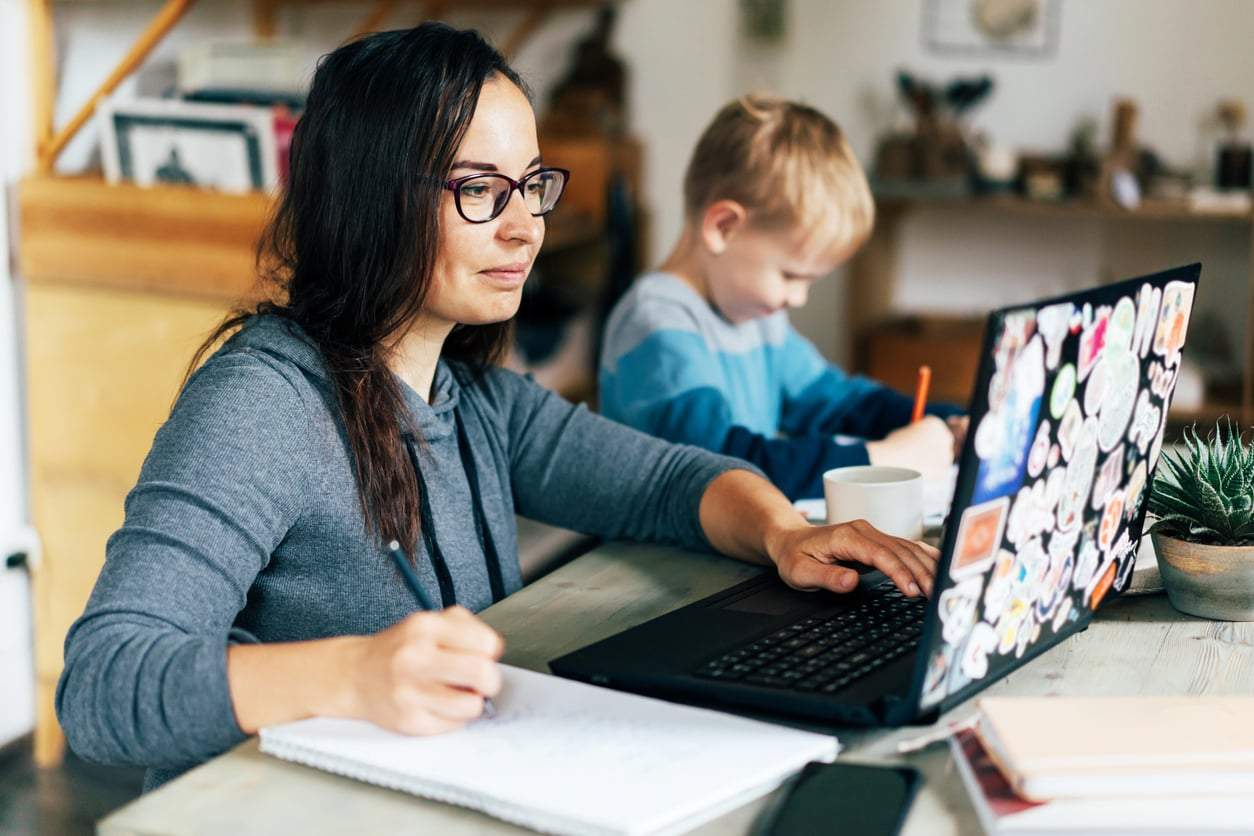
Working from home is becoming part of everyday life for many, bringing obvious benefits. But as days stretch into weeks and months, we start to see that isolation affects not only our environment but also our mental well-being. Feeling shut in and lacking personal connections can weigh heavily on the mind and cause ongoing stress.
Instead of spontaneous chats with coworkers, online meetings become the main way to connect—and even these can’t fully replace real human interaction. This kind of communication can leave you feeling lonely and may weaken social skills, which over time can distort your self-image and increase anxiety.
How It Affects Your Self-Esteem
The culture of working from home often leads people to feel less valued because they miss the regular feedback they’d get in an office. Self-esteem is closely tied to external recognition; without it, your sense of worth can drop, affecting other parts of life too.
This is especially true for those who draw inspiration from acknowledgment. In a virtual world, praise can lose its impact, which may lower motivation and deepen feelings of dissatisfaction.
Blurring the Lines Between Work and Personal Life

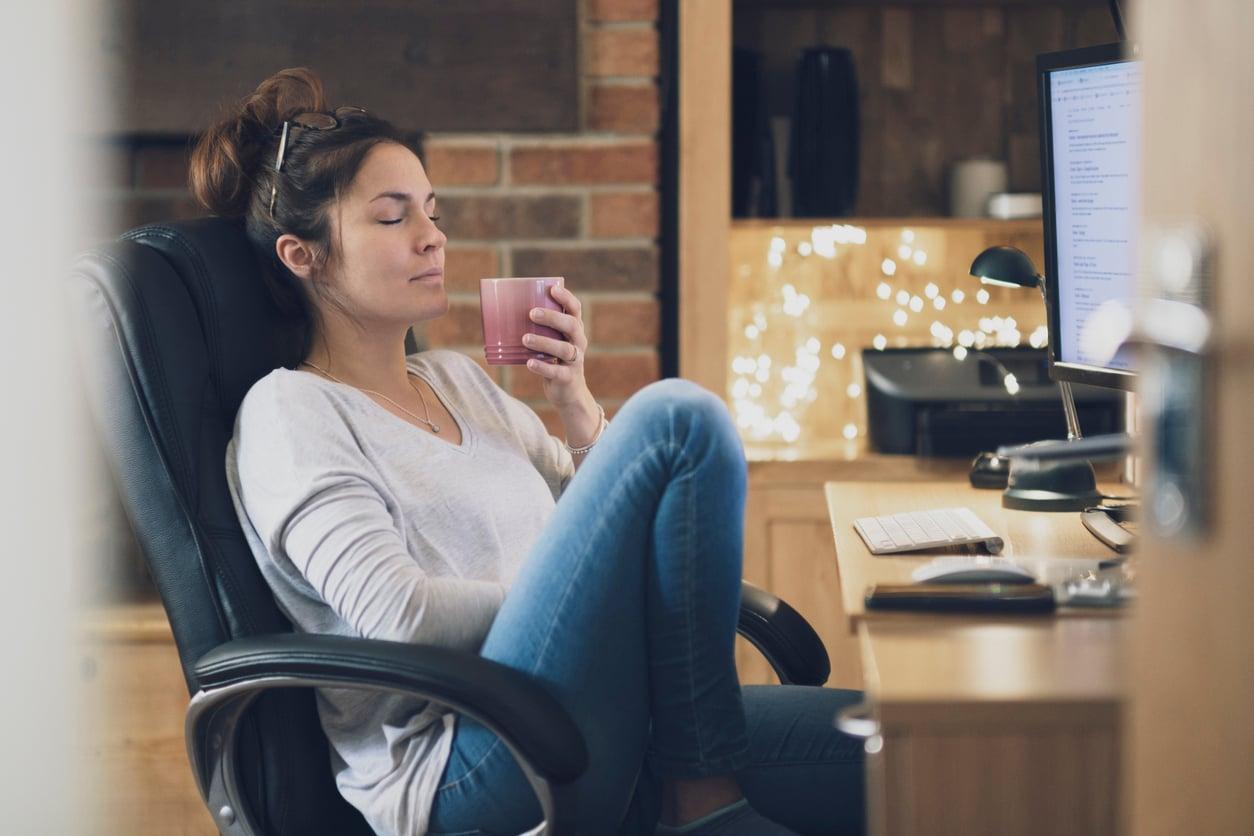
One of the biggest challenges of working from home is how the boundaries between work and personal life blur. The line between work hours and free time can disappear, leading to exhaustion and burnout. Without real breaks in your daily routine, you might work nonstop, which can hurt your productivity and creativity.
Without clear boundaries, people often feel they must be available all day, making it hard to recharge. Poor time management can throw off your balance, so it’s important to develop personalized strategies to keep your life in harmony.
How Lack of Physical Activity Shapes Your Personality
Working from home often changes lifestyle habits, especially reducing physical activity. Less movement than in an office setting doesn’t just affect your body—it can also take a toll on your mental health.
Being inactive can encourage laziness and a lack of motivation, which are linked to mood disorders and depression. Regular exercise, however, builds resilience against stress and supports a positive self-image—both essential for a balanced life.
How to Create Positive Change
Adapting and embracing change is key to overcoming the downsides of working from home. Start by becoming aware: recognize that the changes you’re experiencing are real and valid responses to your new environment.
Set clear goals to balance work and personal life. Build a daily routine that includes physical activity, nurturing relationships, and clearly defined work and rest times. This not only structures your days but also helps you enjoy the true benefits of working from home.