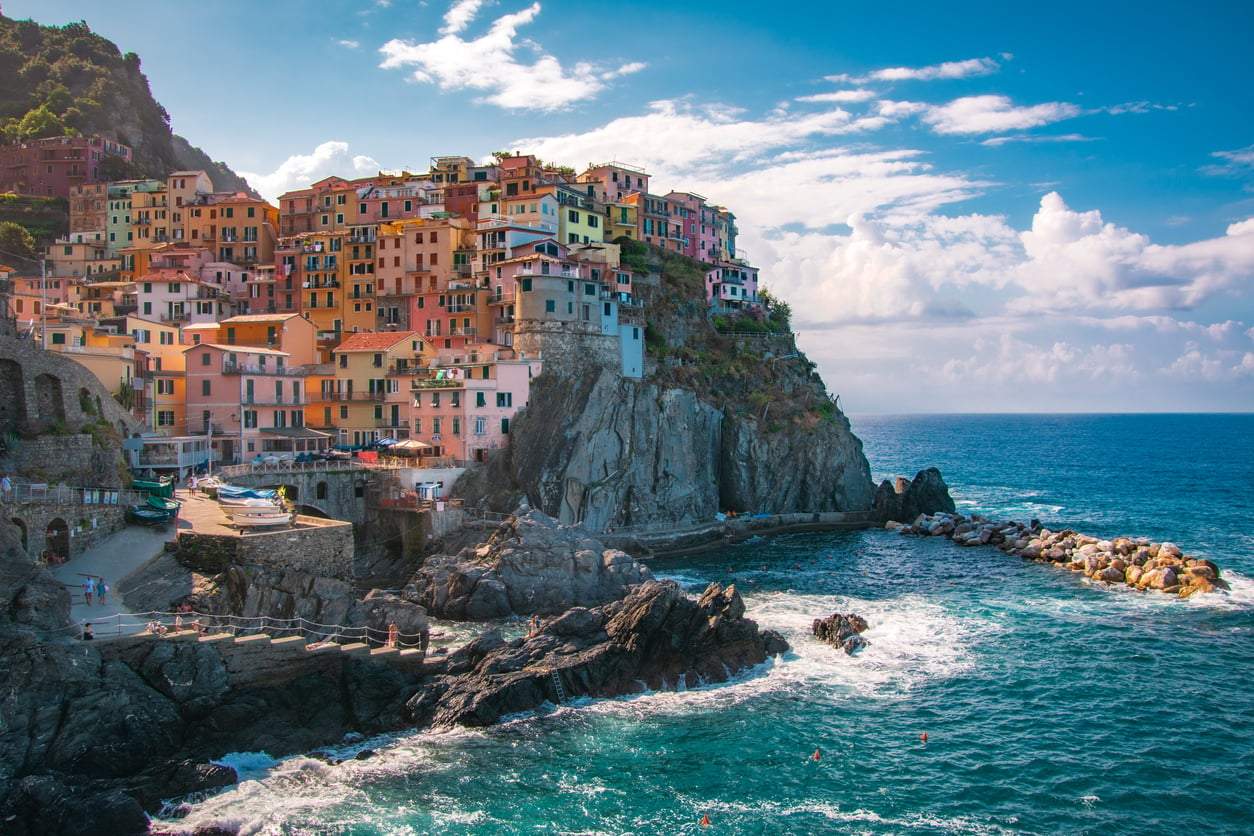
Few things are as tempting on vacation as diving into the warm, inviting waves of the sea. Crystal-clear water gently rocking you, a sky painted in the bluest hues, and the sun’s warm embrace—crowned by a refreshing iced drink—all promise instant relaxation.
But as more travelers share their experiences, the scorching heat common in southern countries often feels more like a challenge than pure relaxation. Especially during summer, temperatures in southern regions can easily reach or exceed 104°F (40°C).
We’re Not Used to This Kind of Heat
Travel, especially summer vacations, have long been a way to escape the daily grind. The Mediterranean, Southern Europe, North Africa, and Southeast Asia have been popular destinations for their climate, culture, and stunning landscapes—all promising adventure and rest.
However, many overlook that while these spots shine in spring or fall, midsummer can bring intense, hard-to-bear heat.
How Heat Affects Mood and Health
Extreme heat isn’t just uncomfortable—it can pose serious health risks. Studies show high temperatures increase the chances of heatstroke, sunstroke, and dehydration, especially for seniors and children. Hot nights can also disrupt sleep, affecting muscle recovery and overall well-being.

So it’s no surprise that more people choose to stay in the comfort of air-conditioned accommodations, or limit their outdoor activities to cooler evenings and night events to avoid the daytime heat.
Why Autumn Travels Are a Smart Choice
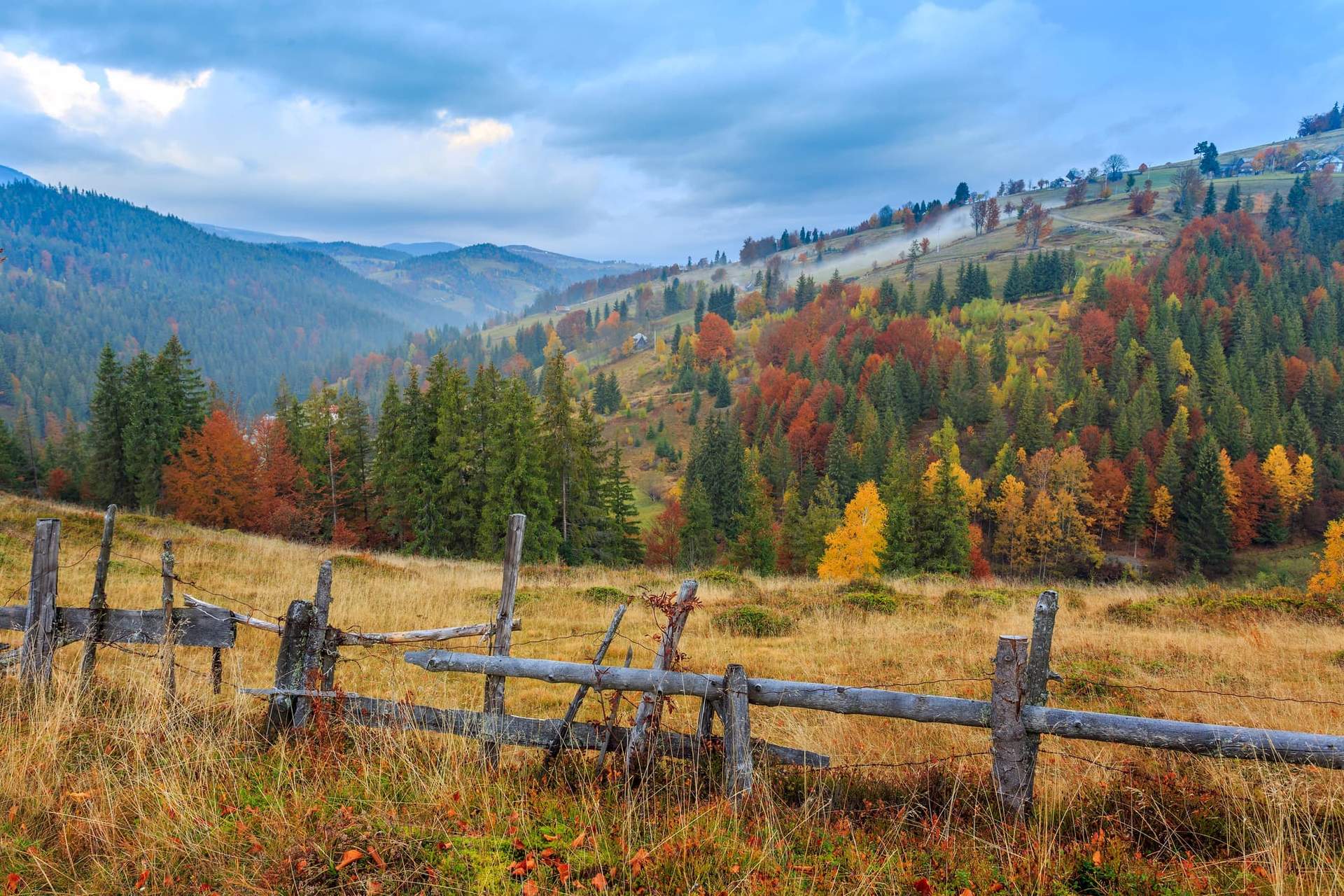
Given this, why not consider autumn as your main travel season? Cooler temperatures, fewer crowds at attractions, and notably lower prices all make fall vacations a winning choice.
During autumn, southern destinations are more accessible without the oppressive heat. Milder weather invites active days—whether hiking, wine tours, or leisurely city strolls.
Tips to Handle the Heat if You Travel in Summer

If you still want to explore your destination in summer, here are some friendly tips: always wear lightweight, light-colored clothing that lets your skin breathe. Seek shade often, stay hydrated, and don’t skip sunscreen.
Remember to avoid the midday sun and plan beach time for early mornings or late afternoons. This way, you beat the heat and enjoy your vacation without risking your health.
Knowing the climate patterns of your destination helps you plan better. Studying travel experiences and weather stats can guide you on the best time to visit. Most importantly, this ensures your vacation is truly restful and refreshing!