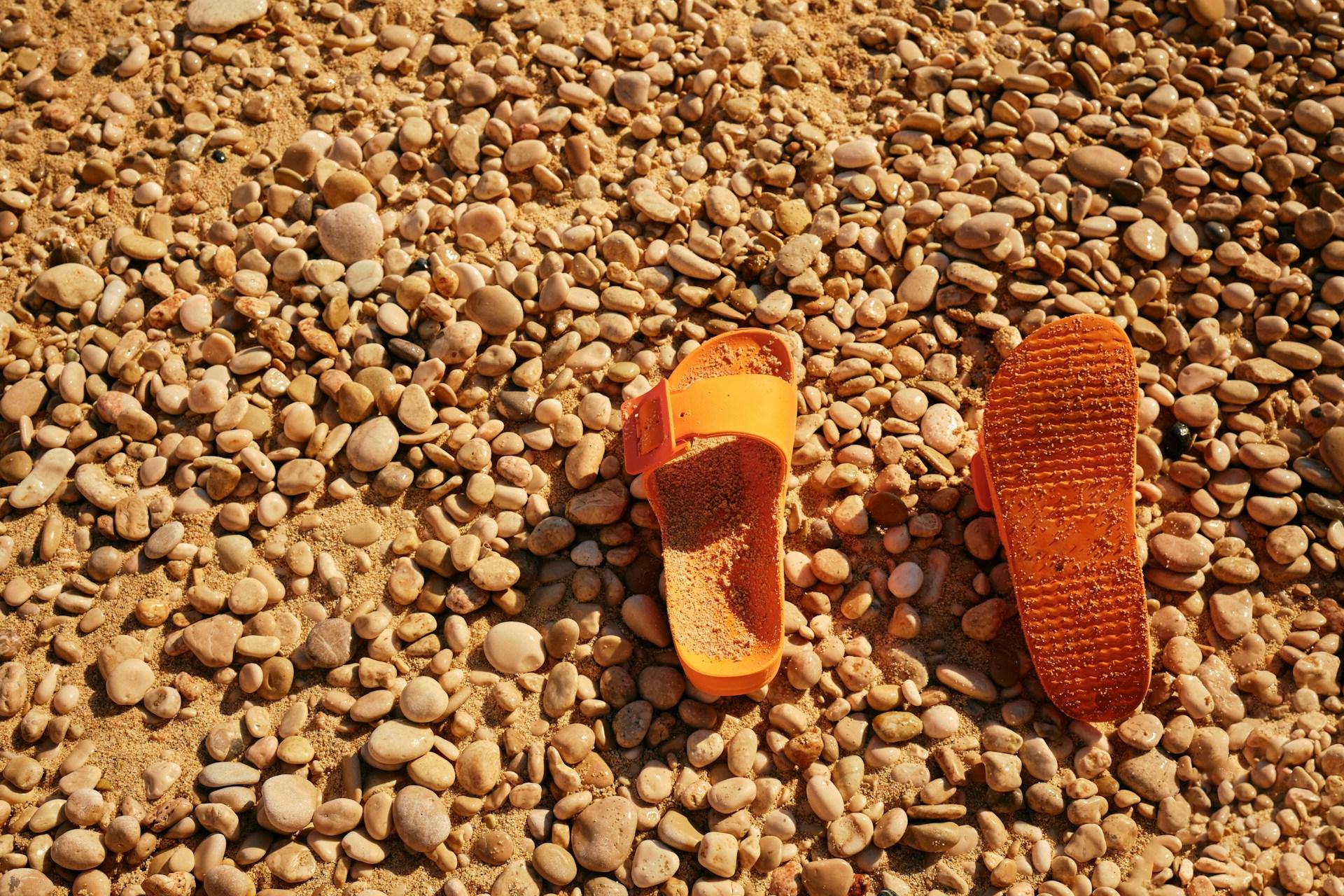
They're the unofficial shoe of summer: cheap, breezy, and always within reach. But those innocent-looking flip-flops may be doing more damage than you realize. Podiatrists and health experts agree — wearing them day after day carries a range of real health risks that most people never think about.
Your posture and balance take a hit
Flip-flops offer almost no structural support, and your body feels it. Unlike regular shoes, which are designed to cradle and stabilize the foot, flip-flops leave your ankles, knees, and spine largely unsupported.
Over time, this can lead to weakened ankle stability, altered walking patterns, and increased joint strain. On uneven surfaces — think cobblestones, gravel, or wet poolside tiles — the risk of a misstep or fall rises significantly.
Toe gripping leads to deformities
Here's something most people don't notice: when you wear flip-flops, your toes are constantly gripping the sole to keep the shoe from flying off. Do that for hours every day, and the cumulative strain adds up fast.
This repetitive gripping motion increases the likelihood of developing bunions and hammertoes — conditions that aren't just cosmetic concerns, but sources of chronic pain and long-term discomfort.
These deformities develop gradually, which is exactly why so many people don't connect them to their footwear until the damage is already done.
Public places are a hygiene minefield
The open design of flip-flops leaves your feet exposed to everything the ground has to offer — and in public spaces, that's a lot. Beaches, communal showers, swimming pools, and locker rooms are prime environments for bacteria, fungi, and other microorganisms to latch onto bare skin.
Athlete's foot, plantar warts, and nail fungus are among the most common infections linked to flip-flop use in shared spaces. Washing your feet thoroughly after each outing and cleaning your footwear regularly can help reduce the risk — but it won't eliminate it entirely.
Thin soles mean your feet absorb all the impact
Most flip-flops are built with minimal cushioning and a flat, thin sole that does very little to distribute your body weight evenly. Compare that to a well-designed athletic or walking shoe, and the difference is stark.
Wearing flat, unsupportive footwear for extended periods puts excess pressure on the plantar fascia — the band of tissue running along the bottom of your foot. This is a well-known pathway to plantar fasciitis, heel pain, and other chronic conditions that can take months to resolve.
The injury risk is higher than you'd expect
Without anything securing your foot in place, flip-flops dramatically increase the chances of trips, falls, and ankle sprains. Slippery surfaces are an obvious hazard, but even normal walking becomes riskier when your shoe can shift unpredictably with every step.
If you love open footwear in summer, consider switching to a well-fitted sandal with straps and a textured sole — they offer far better stability while still keeping things cool and comfortable.
So should you ditch them completely?
Not necessarily. Flip-flops have their place — a quick trip to the beach, a walk from the pool to the changing room, or a lazy morning around the house. The problem isn't occasional use; it's wearing them as your primary shoe for hours on end, day after day.
Your feet carry you everywhere. Giving them the right support — especially in summer when you're walking more — is one of the simplest things you can do for your long-term health. A little more shoe goes a long way.