People come back from holidays with photographs and a strange, unnameable heaviness. In my experience of listening to women talk about their relationships, late summer and early autumn are when something shifts — not because a trip creates a problem, but because it removes all the scaffolding that was holding a problem quietly in place. No school run, no work calls, no laundry cycle, nobody to be efficient for. Just the two of you and a lot of unstructured hours.
That is why so many quiet reckonings happen in a rented apartment somewhere pleasant. A holiday is a compressed rehearsal of a shared life, and it plays back to you, at speed, how the two of you actually handle time, money, boredom and each other.
Why trips tell the truth so bluntly
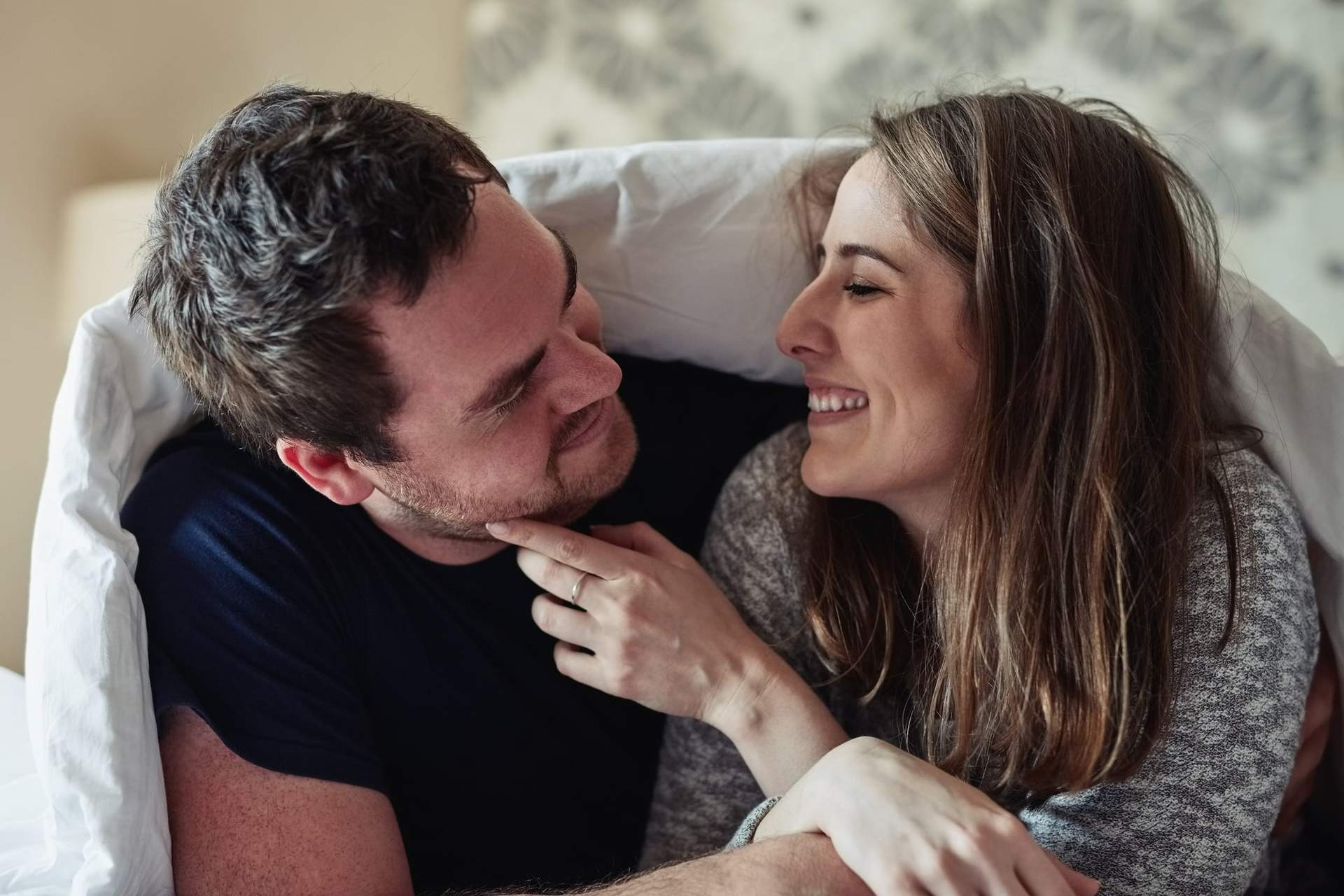
At home, most couples are protected by structure. You are busy, you divide tasks, you speak in logistics, and affection is often expressed as competence — I picked up the prescription, I remembered the parents' evening. Take that away and you are left with the raw material: conversation, curiosity, physical ease, the ability to be idle in someone's company.
Travel also stacks up decisions at an unusual rate. Where to eat, how much to spend, whether to walk further, what to do about the delayed train. Every one of those is a tiny negotiation, and after a week you have a fairly honest sample of how power and generosity move between you. That is uncomfortable information, and it is also genuinely useful information.
The four moments worth paying attention to
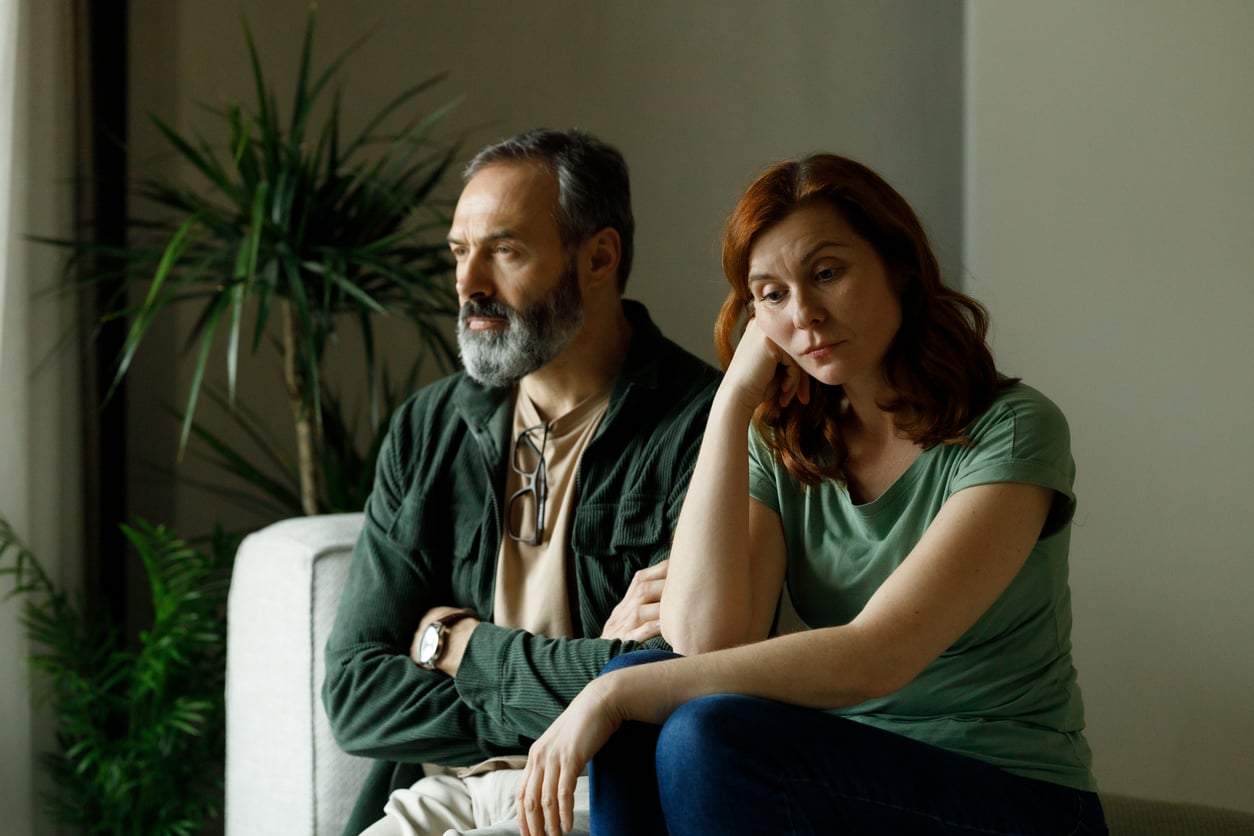
The first is friction under stress — the missed connection, the wrong hotel, the lost passport. Not whether you argued, but how. Did one of you turn on the other, or did you turn towards the problem together? Blame under pressure is the single loudest signal a trip gives you.
The second is the wasted afternoon. When there was nothing planned and nothing required, did you enjoy each other or endure each other? Many couples discover they have not had an unstructured afternoon together in years and no longer know what to do with one.
The third is money. Holidays make spending visible and force it into conversation, and old resentments about who earns, who decides and who feels guilty tend to surface over a restaurant bill rather than a bank statement.
The fourth is coming home. Some people feel relief at re-entering their routine because they love their life. Others feel relief because the routine hides something. It is worth being honest with yourself about which relief you felt on the doorstep.
What a difficult trip does not mean
Before anyone dismantles a marriage over ten days in August, some perspective. Travel is physically taxing: broken sleep, heat, alcohol, unfamiliar food, too much walking, often the strain of managing children in a place with no familiar routines. Tired, dysregulated people are not their best selves, and a fortnight of exhaustion is not a fair sample of a whole partnership.
There is also the expectation problem. Many of us go away carrying an unspoken hope that the trip will fix something — reconnect us, prove something, restore desire. When it does not, the disappointment attaches itself to the person sitting opposite rather than to the unrealistic brief we handed the holiday. Both of those things can be true at once: the trip was harder than it should have been, and it also asked more of you both than was reasonable.
How do you talk about it once you're home?
Wait until you have both slept properly and the washing is done, then open it deliberately rather than mid-argument. Lead with your own experience instead of a verdict — something like "I noticed I felt lonely on that trip and I have been thinking about why" lands very differently from "you were awful in Lisbon." Ask one real question and then let there be silence long enough for a real answer, and be prepared for the possibility that they felt something too and were waiting to be asked.
Should you take a trip specifically to decide about a relationship?
A holiday is a poor courtroom and a decent mirror, so do not book one expecting a ruling. What a trip can usefully do is show you which conversation you have been avoiding, and that is worth knowing whether you stay or go. If what surfaced feels too big to hold on your own — if you are circling the same thought for weeks, or feeling frightened rather than sad — a couples counsellor or your own therapist is a far better place to take it than another set of flights.