The dynamics of relationships can carry much deeper connections than what we experience on the surface in everyday life. These connections often manifest in seemingly insignificant things, such as sleeping positions. After all, how you fall asleep with your partner can shed light on the overall nature of your relationship, attachment patterns, and even the closeness of the bond. Why not take a short but profound journey into the world of sleeping postures to discover what they reveal about your relationship?
Entwined: The Magic of Intimate Hugging
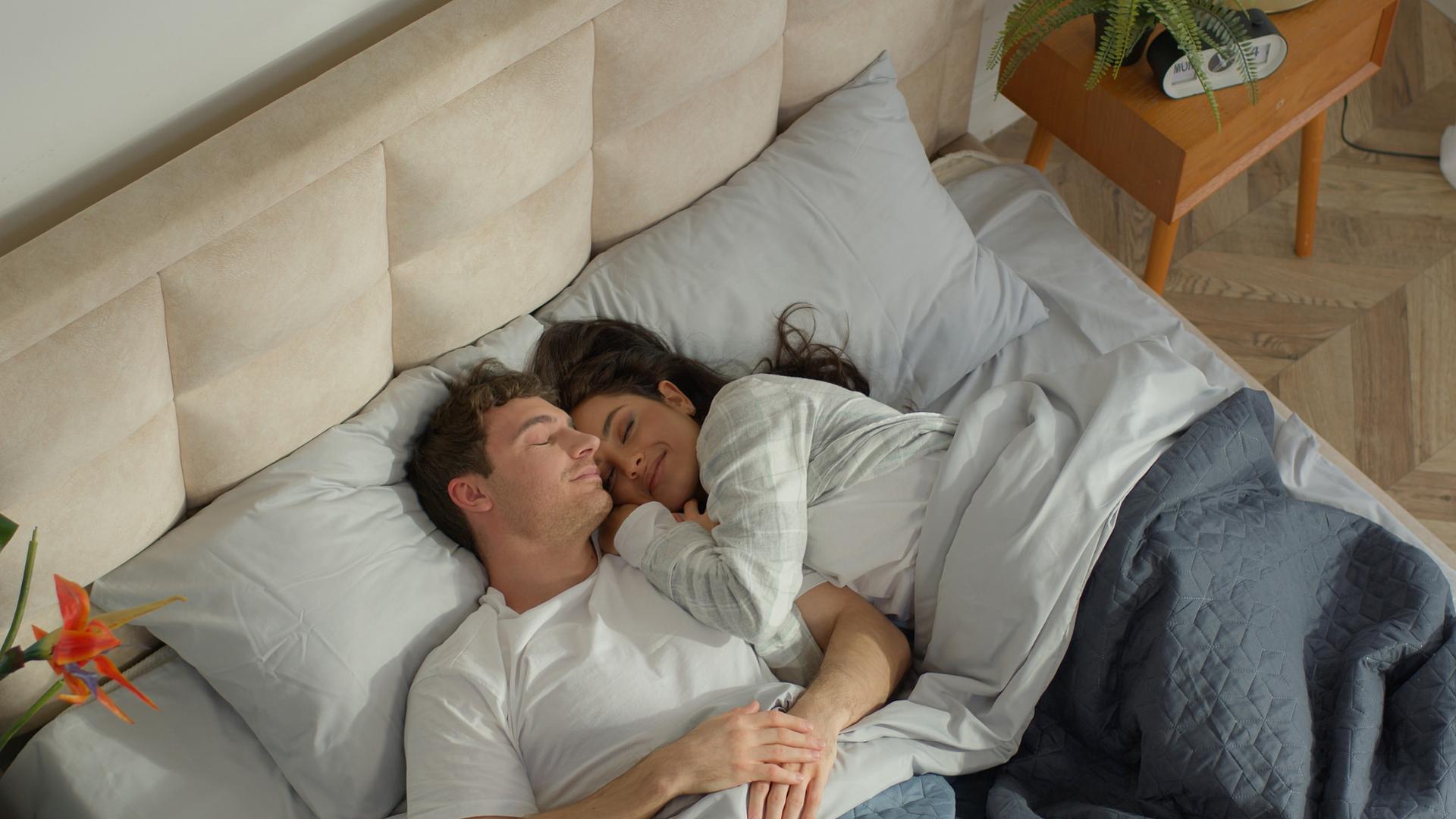
When couples sleep entwined in each other's arms, it can indicate the most intimate and even the most traumatized phase of the relationship. Such sleeping positions express trust, attachment, and deep emotions towards each other. In this situation, intimacy is realized not only physically but also expresses emotional closeness.
The embrace in which both partners easily fall asleep is a clear sign that the relationship is stable and that the presence and closeness of the other are important to both. Another characteristic of this sleeping position is that they do everything to keep the relationship alive and deepen it further, as the entwined posture expresses this desire.
Touching but Free: Maintaining Balance
The next category of sleeping positions is when couples maintain direct physical contact but otherwise remain in their own space. This can be, for example, the gentle touching of legs or simply the soft intertwining of hands during sleep. Such types of poses may indicate maintaining balance within the relationship. One main message of this situation is that both partners can create a healthy balance between intimacy and personal space, between personal needs.
This relational pattern highlights that the parties respect each other's independence while not losing the sense of togetherness. This form of falling asleep is ideal for couples who value preserving their own identity without it negatively affecting their attachment to their partner.

Facing Away: Signs of Separate Paths
When couples decide to fall asleep with their backs turned to each other, it also reveals a lot about their current relationship. This sleeping position is often misunderstood, as at first glance it may seem that the partners want to keep distance from each other. However, it rather suggests a relational pattern where they experience the security of the relationship without needing to constantly reinforce it through physical contact.
This posture shows that the couple can always find each other again and that both are committed to the relationship. Sleeping back to back often indicates the desired preservation of individual space, which allows for the most sincere and intimate attachment. In such situations, couples who do not need constant physical presence to keep their feelings stable are in perfect harmony.
Apart: Expression of Tension
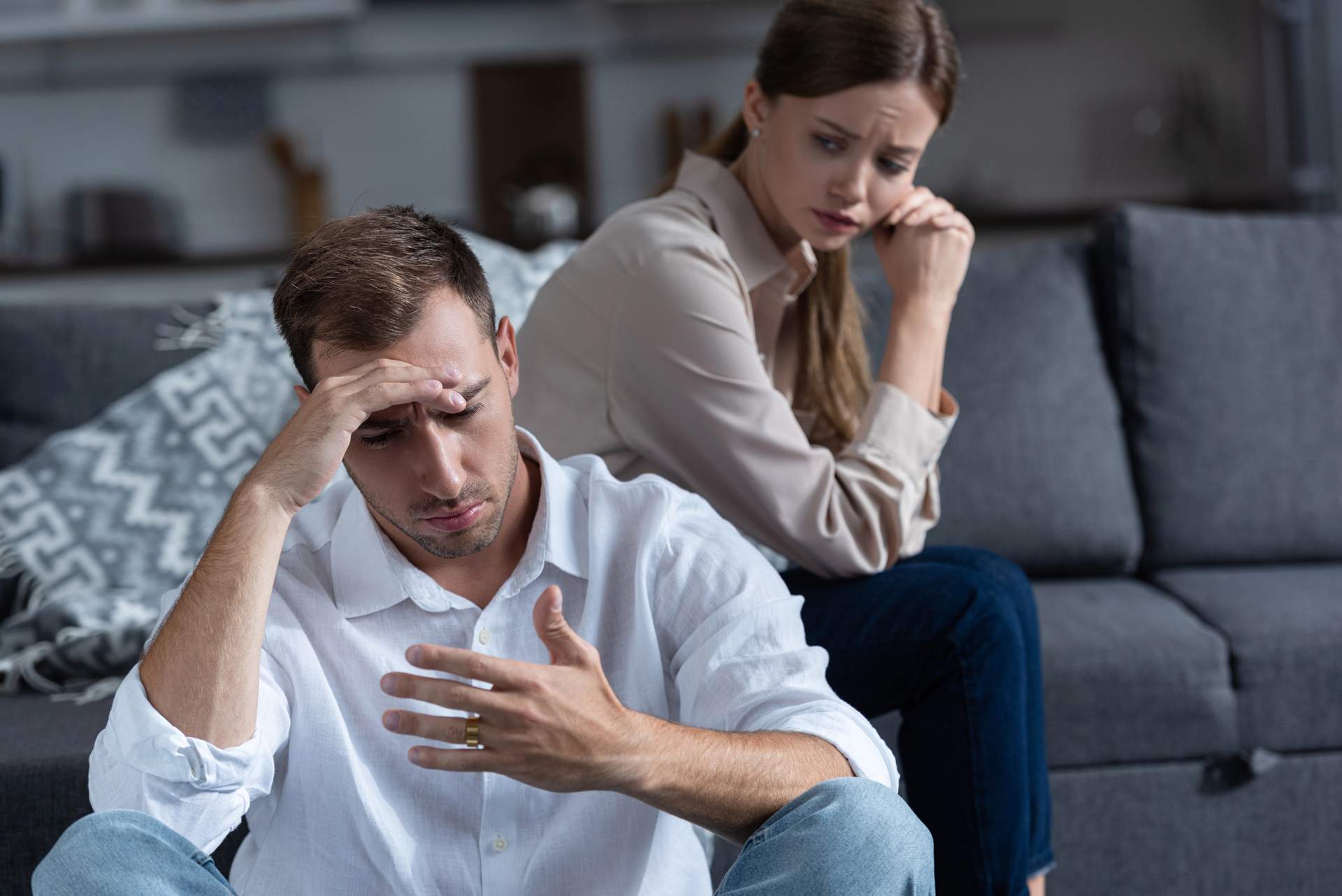
When couples sleep apart for extended periods without maintaining any physical contact, it often indicates some form of tension or unresolved conflict. Sleeping apart may signal that problems have arisen in the relationship that the partners have not yet been able or willing to resolve.
However, it is important to understand that distant sleeping habits do not necessarily mean a crisis but can sometimes reflect the need for personal space, which does not imply a loss of attachment to the other partner. It is worth discussing this situation to avoid long-term damage to the relationship.
The Power of Varied Postures
Finally, couples who regularly change their sleeping positions may lead surprisingly rich and varied emotional lives. Such dynamic sleeping patterns within the relationship, where spontaneity and variety dominate, reveal that the couple can adapt and handle emerging challenges flexibly.
They are the ones who communicate openly with each other about any issue, and their commitment to each other remains stable regardless of the sleeping position chosen on a given night.
Sleeping positions can add an interesting dimension to the examination of relationships, but it should never be forgotten that these are only a part of the complex relational system that can develop between two people. The most important thing is always that the partners understand and respect each other's needs and expectations, so whichever sleeping position they choose, it can only strengthen the bond between them.