Sipping your morning coffee is more than just a habit for many—it’s a life-saving ritual. So it’s no surprise how strongly your body can react when you suddenly cut out caffeine. According to Verywell Health, withdrawal symptoms can appear within 24 hours if you stop your daily cups overnight.
If you’re thinking about quitting caffeine—whether for health reasons or lifestyle changes—it’s smart to know what signs to watch for. These symptoms are temporary, but being prepared makes the process smoother. Let’s explore the common discomforts research highlights!
Throbbing Headaches – The Most Common Symptom
Caffeine isn’t in some over-the-counter painkillers for nothing: it can reduce inflammation in blood vessels and block certain pain receptors. When you suddenly stop, unusual headaches often appear and can last up to two weeks. The pain usually hits both sides of the head with a pulsing rhythm. If you’re prone to migraines, quitting caffeine abruptly might even trigger one.
Intense Fatigue and Sleepiness
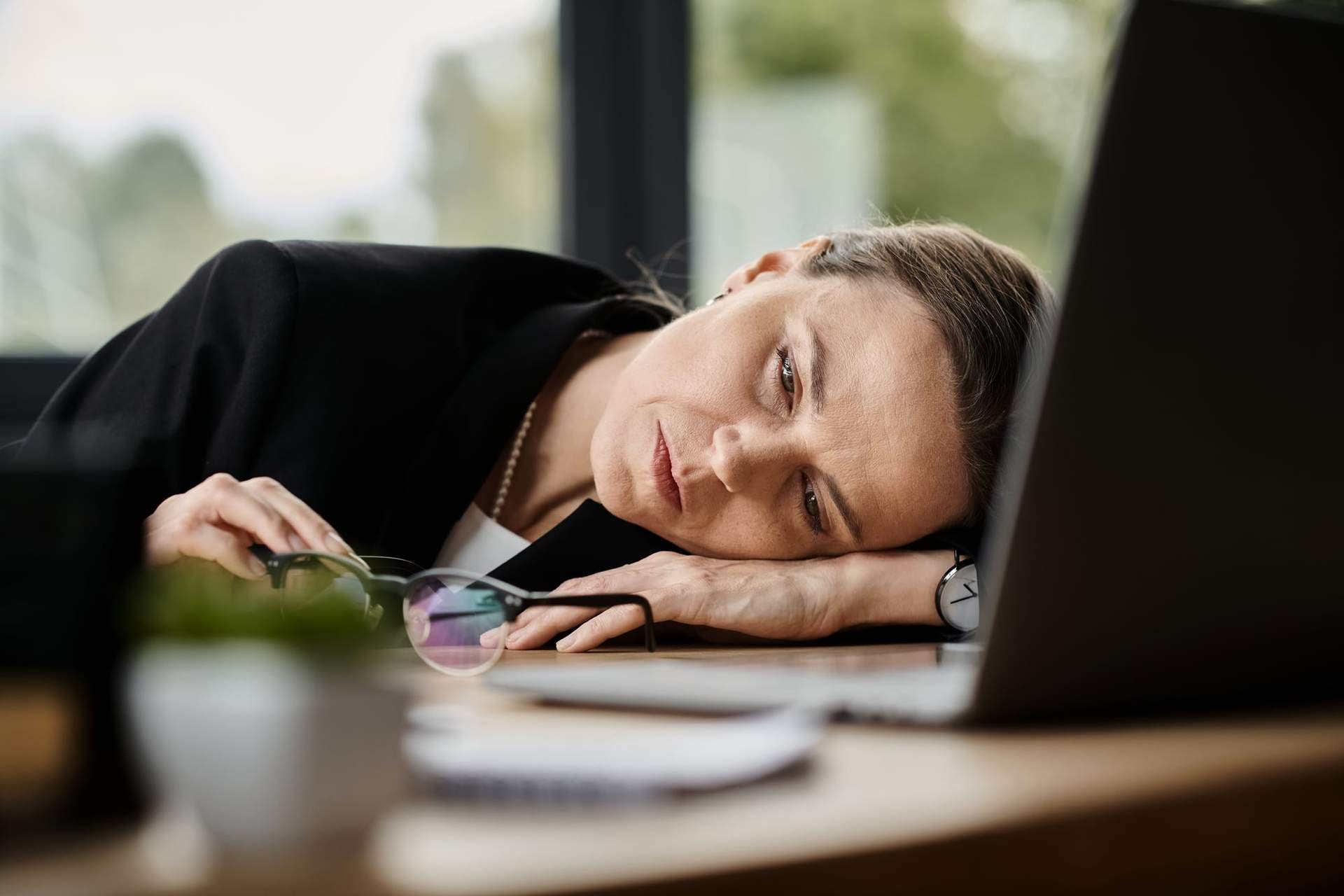
Caffeine works by blocking adenosine, a natural sleep-promoting chemical. When you stop, adenosine floods back in—often too much. The result? Daytime drowsiness, sluggishness, low energy, and feeling like nothing can wake you up. It’s temporary, but it can feel pretty intense.

Feeling Down or Moody
Caffeine doesn’t just boost alertness; it also lifts mood by enhancing brain chemicals like dopamine and serotonin. When you quit suddenly, your body can feel like it’s in a short “empty” phase, causing mild depression or low mood. This is a natural reaction that usually clears up within days or weeks.
Difficulty Concentrating
If you’ve ever had to work without your regular coffee fix, you know this feeling well. Without caffeine’s boost, focusing becomes harder, performance drops, and tasks take longer. Plus, other withdrawal symptoms like headaches and fatigue can make concentrating even tougher.
Irritability and Tension
Many are surprised how much caffeine affects mood. In small amounts, it can reduce stress and calm you down. But when you quit suddenly, mood swings, nervousness, or increased anxiety often show up. This is temporary, though sometimes your friends and family might notice it before you do.
Cold-Like Symptoms – When Your Body Pushes Back
Few know that quitting caffeine can cause flu-like symptoms: nausea, muscle aches, weakness, or stomach discomfort. Since caffeine affects digestion rhythm, suddenly stopping can upset your gut. Muscle pain happens because caffeine indirectly dulls pain signals, so without it, your body reacts more strongly to sensations.

How to Ease Caffeine Withdrawal Symptoms
- Cut back slowly
Experts recommend reducing your daily intake gradually over 4-6 weeks to soften withdrawal symptoms. - Watch out for hidden caffeine
Besides coffee, teas, energy drinks, sodas, and even dark chocolate contain caffeine. - Stick to safe daily limits
For most healthy adults, under 400 mg per day is recommended. Pregnant women, teens, and those with certain conditions should consume less. When in doubt, ask your doctor about your ideal caffeine limit. - Swap your favorite drinks
Try decaf coffee or various herbal teas if you miss your coffee ritual. - Use natural energy boosters
A short walk, breathing exercises, yoga, or a 15-minute nap can work wonders. - Give your body time
Good sleep, hydration, and mindful rest speed up recovery from unpleasant symptoms.