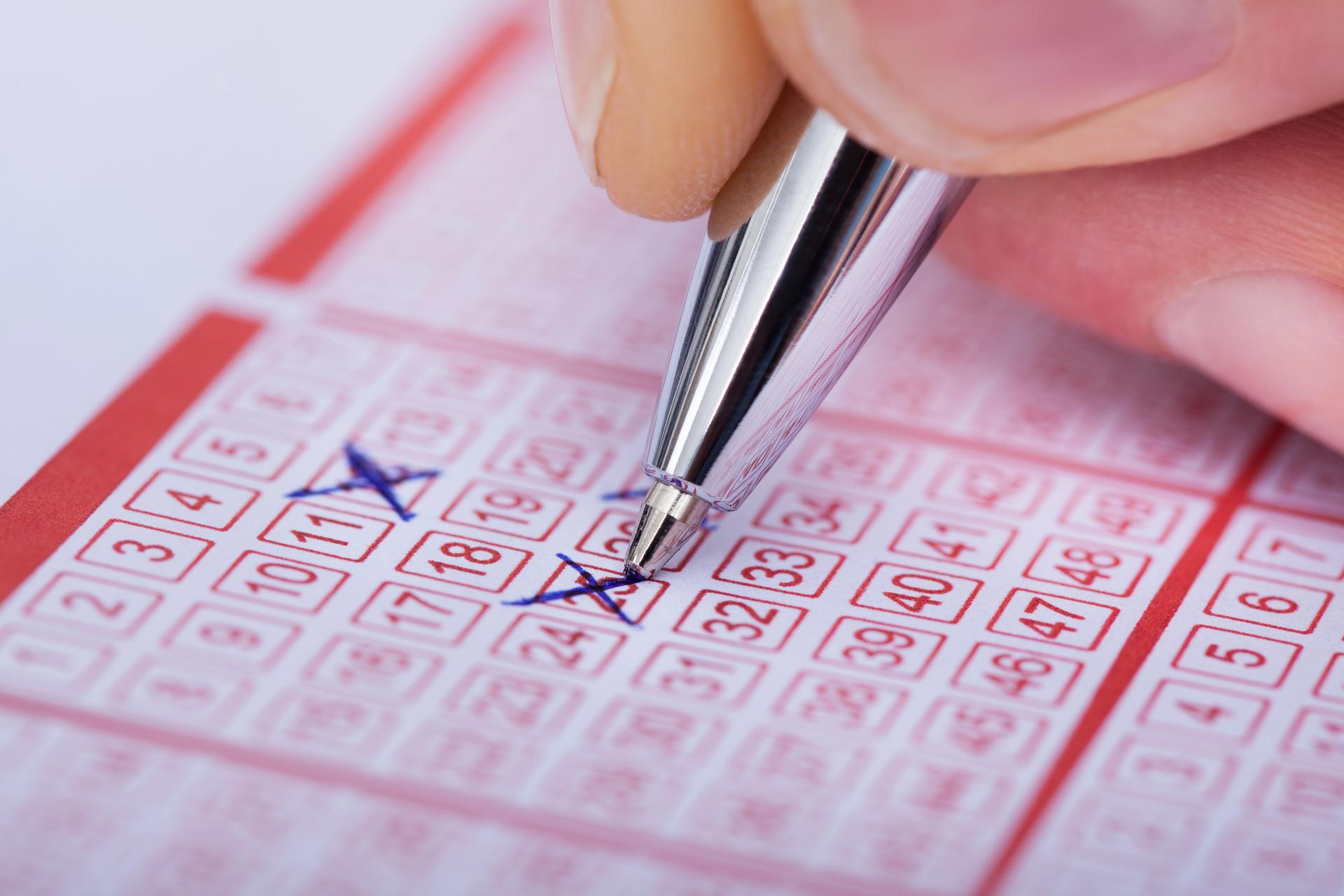
When you hear the term “Bayesian thinking”, you might first imagine a math formula or a statistics class. But it’s actually a much more down-to-earth and practical approach you can use every day: a way to manage uncertainty, update your beliefs based on fresh info — and even make smarter lottery ticket picks than just hoping for luck.
What Is Bayesian Thinking?
At its core, Bayesian thinking is a decision-making principle that starts with an initial assumption — called a prior — when you’re unsure about something. Then, as new information comes in, you update that assumption based on the fresh data. The formal math behind this is Bayes’ theorem, which shows how to adjust prior probabilities in light of new evidence.
The everyday version is simple: change your mind when the facts change.
This might sound obvious — you’d think most of us do this naturally sometimes. Like if you first think a coworker is distant, then learn they spent the night caring for a sick family member, you adjust your impression. But consciously applying Bayesian thinking is a much stronger tool than everyday intuition.

Lottery and Bayesian Thinking
The lottery is all about chance, mathematically speaking. Especially with big jackpots, the odds are so tiny that hitting the jackpot is often used as a metaphor for something nearly impossible.
But there’s a key difference between different types of gambling: for “big” lotteries like Keno or the six-number lotto, every ticket has the same chance, and those odds don’t change over time. Here, Bayesian thinking doesn’t help much — every ticket is equally likely.
Scratch-off tickets tell a different story. These are often printed in batches with a fixed number of big and smaller prizes. As some prizes are claimed, the odds shift within that batch. That’s when it makes sense to ask: what info do you have now? Which batch still has many big prizes left?
A Bayesian approach doesn’t promise you’ll definitely win the lottery — there’s always an element of luck in probability games — but it helps you use available info better and avoid treating all options as equal when they’re not.

Bayesian Thinking Is Useful Beyond the Lottery
The real takeaway isn’t that we’ve cracked the lottery code, but that Bayesian thinking leads to better decisions in uncertain situations. It works because you don’t cling rigidly to old assumptions — you seriously consider new evidence and update your views.
In this sense, Bayesian thinking is more than a math principle — it’s a life skill. It helps you recognize when to rethink your choices, set your ego aside, and follow the best vision you have right now, not just the best you ever had. That’s the real “winning” move — not just in the lottery, but in life’s big decisions.