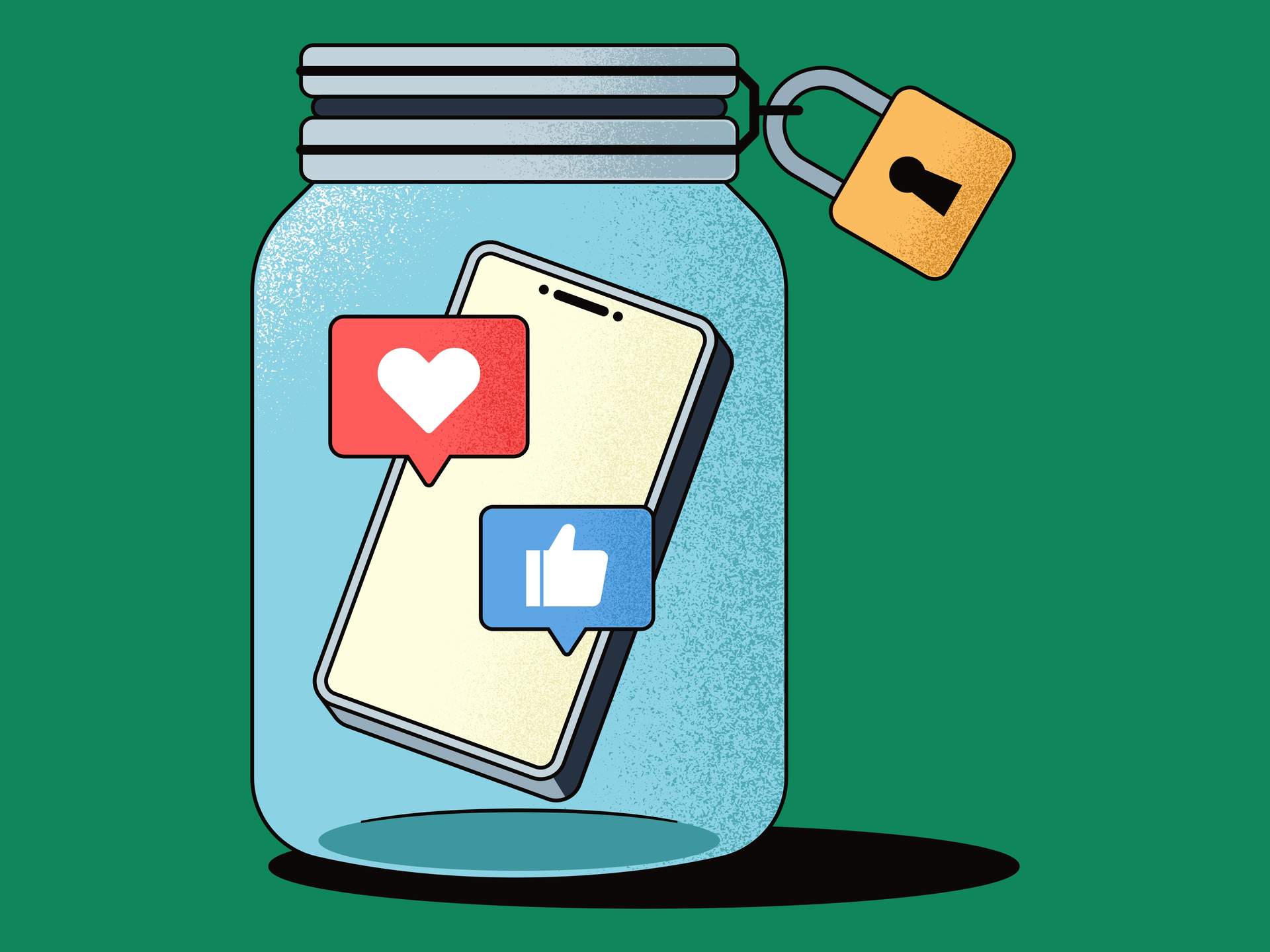
Recently, you might have come across the term "dopamine detox" or dopamine fasting, especially on social media and in self-help content. At first glance, the idea sounds pretty appealing: its supporters say that if we temporarily cut out activities that give us quick bursts of pleasure—like scrolling on our phones, social media, binge-watching shows, or certain foods—we can "reset" our brains and later enjoy simple, everyday moments more deeply.
Here’s the catch: experts say this idea is scientifically misleading. Dopamine isn’t something you can "flush out" of your body, nor is it a harmful substance to get rid of. On the contrary, dopamine is a key neurotransmitter in the brain that plays a vital role in motivation, learning, feeling rewarded, and even in sparking any urge to take action. Without dopamine, not only would excessive phone use disappear, but so would almost all interest in anything else.
Dopamine Detox Doesn’t Really Exist
The term "dopamine detox" is misleading in itself because it implies dopamine builds up in us and occasionally needs to be "cleared out."
In reality, our brains constantly produce and regulate dopamine, and there’s no way to simply "zero out" its levels.
Experts agree that dopamine fasting as a biological "reset" just doesn’t exist.
Still, many people report feeling better, clearer-headed, and more focused when they try dopamine detox. But this isn’t because dopamine has been "rebooted." It’s more about consciously dialing down overstimulation. Modern life is packed with instant rewards: constant notifications, endless scrolling, quick entertainment, and nonstop impulses surround us. These make us constantly crave stimulation and struggle with quieter, slower moments.

What Happens When You Take a Break?
When someone practices dopamine fasting, they’re really just temporarily stepping away from intense stimuli. This naturally creates space to find joy in less intense activities—like a walk, a conversation, or simply resting. This can feel like the brain has "reset," but it’s actually about shifting attention and habits.
Experts also warn that extreme approaches—completely cutting off all sources of pleasure—are not only unnecessary but can backfire. Such "all or nothing" rules are often unsustainable and can lead to returning to old habits even stronger later on. It’s similar to strict dieting: it might work short-term but often causes the opposite effect long-term.
The Key Is Gradual Change
The idea behind dopamine detox isn’t totally off, just the way it’s framed is inaccurate. It’s not about "cleansing" dopamine but about being more mindful of activities that overly capture our attention.
It also helps to set realistic limits, like designating daily time slots for certain activities or intentionally including activities that don’t offer instant gratification. Think moving your body, reading, spending time in nature, or having a meaningful conversation. These might not provide quick, intense pleasure but can create a more balanced sense of well-being over time.

There’s Definitely a Need for It
The biggest takeaway is that while the term "dopamine detox" is misleading, the need behind it is very real. Many feel overwhelmed by constant stimuli, struggle to slow down, and lose touch with simple joys. In this sense, dopamine fasting is a wake-up call: encouraging us to reflect on our habits and consciously balance fast, instant pleasures with slower, deeper experiences.
The goal isn’t to eliminate joy from life but to avoid building our days solely around instant rewards. When we find that balance, no detox is needed—our brains will work just as they should.