When kids pick their favorite toys, they’re actually sharing way more about themselves than you might think. This is all part of self-expression and personality growth, often explored through play. Boys’ and girls’ toy choices hint at different traits and interests, so it’s worth taking a closer look at what these preferences really say.
Girls’ Toy Choices and What They Mean
Girls often gravitate toward dolls and stuffed animals, stepping into nurturing roles. These toys aren’t just fun—they help develop care and responsibility.
Playing with dolls also reflects growing emotional intelligence and the ability to practice empathy.
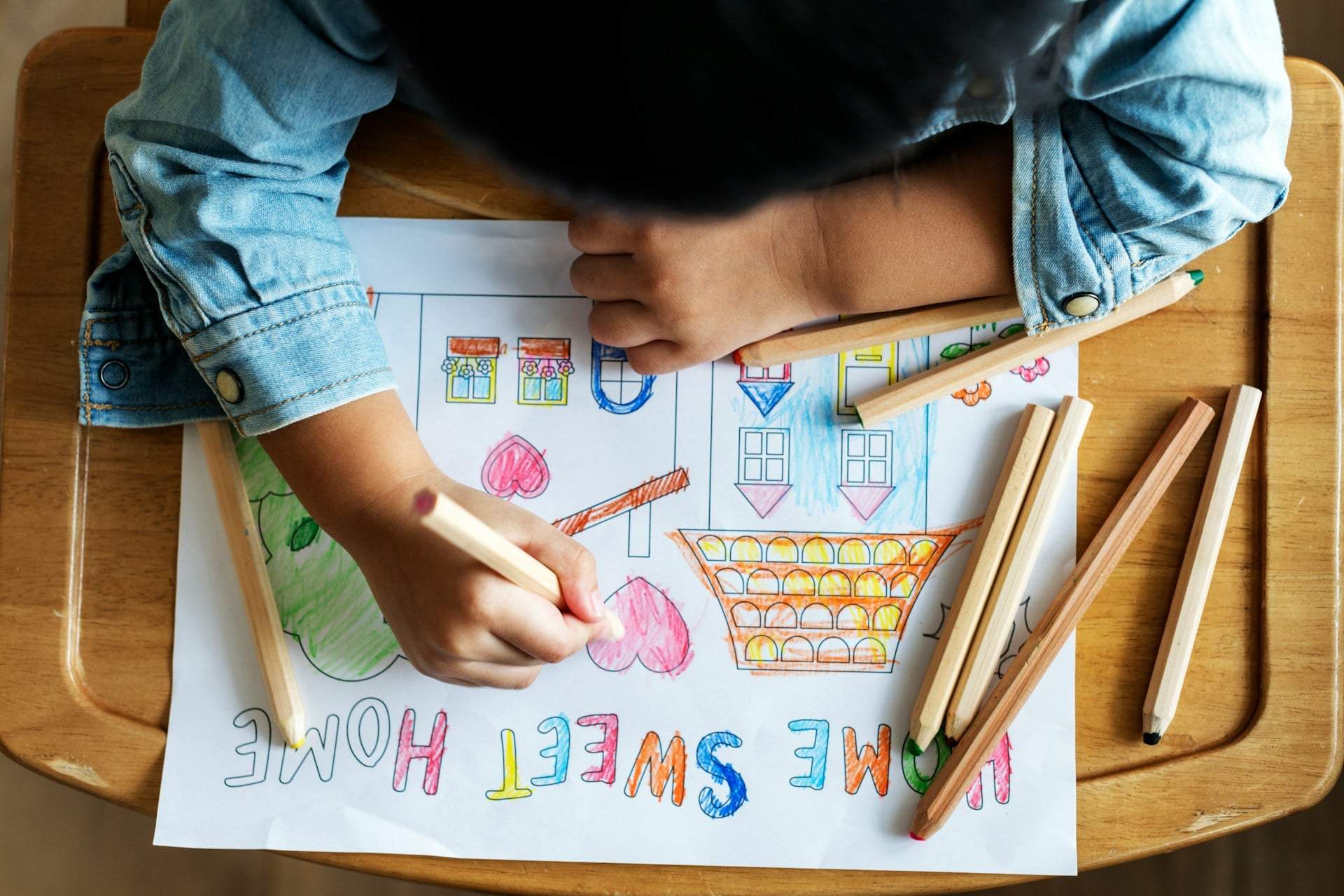
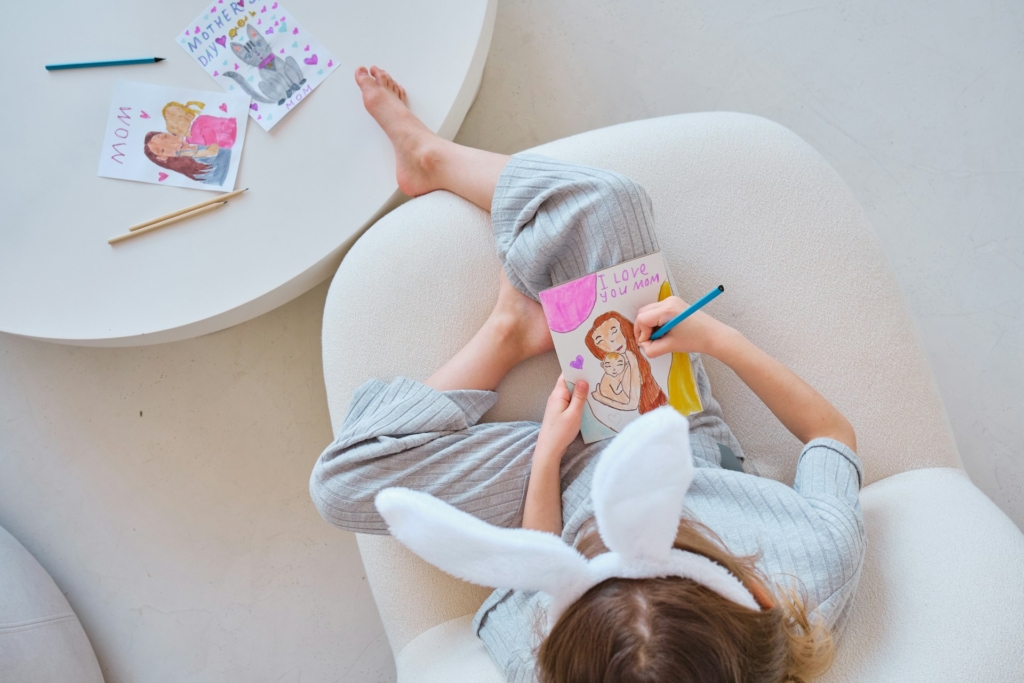
When girls are drawn to creative toys like coloring books, bead kits, or craft sets, they’re boosting creativity, resourcefulness, and problem-solving skills.
These activities also sharpen fine motor skills and give parents a glimpse into their child’s artistic interests.
Boys’ Toy Choices and What They Mean
Boys often show enthusiasm for cars, trains, and airplanes—reflecting a sense of adventure and curiosity. These toys also encourage logical thinking and technical interest, helping develop spatial awareness and an engineering mindset.
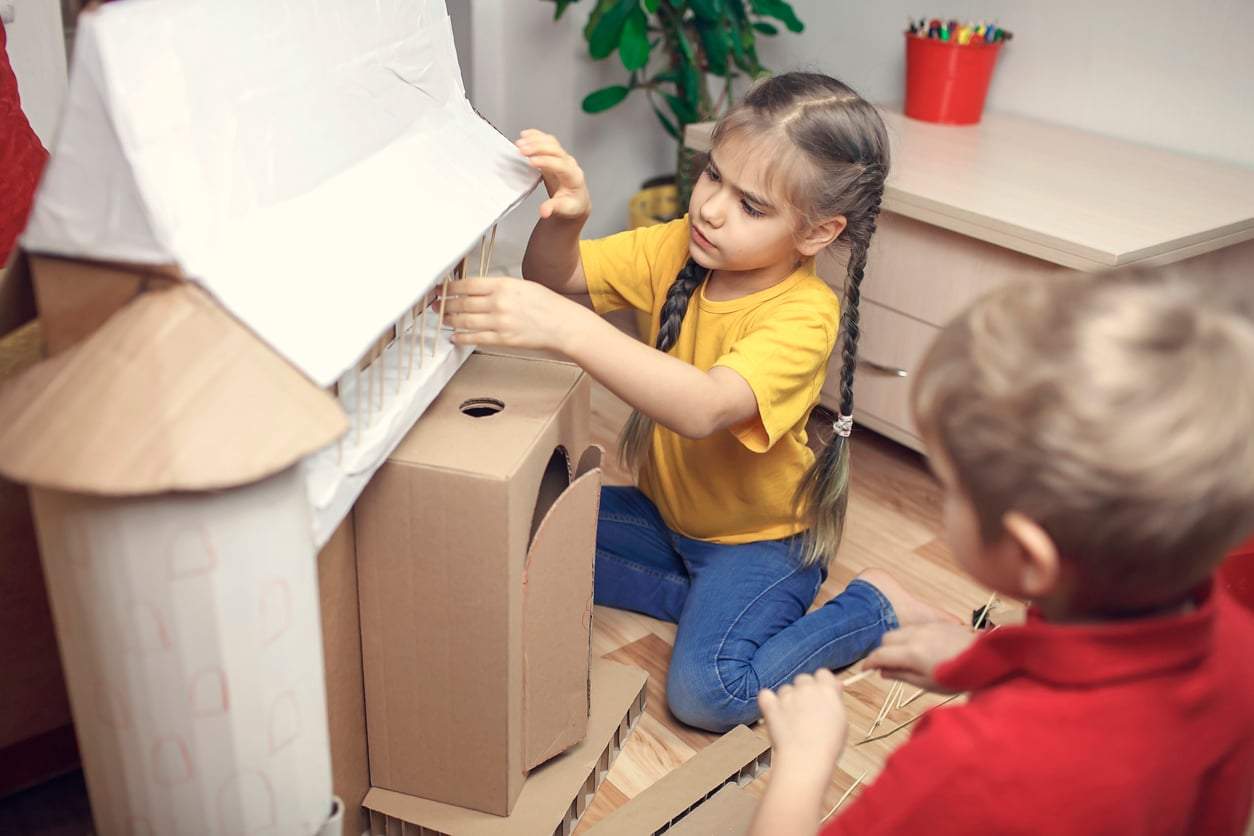
Building blocks or LEGO sets are great for sparking creativity and strategic thinking.
When boys get fully absorbed in building projects, focusing their attention completely, it shows precision and perseverance.
Plus, these toys boost problem-solving skills that will serve them well later in life.
Playing Together and Cooperation
Both girls and boys can have a blast with games that require teamwork and cooperation. Board games, for example, teach following rules and managing conflicts—offering so much more than just fun. Kids learn how to reach goals together through social interaction.
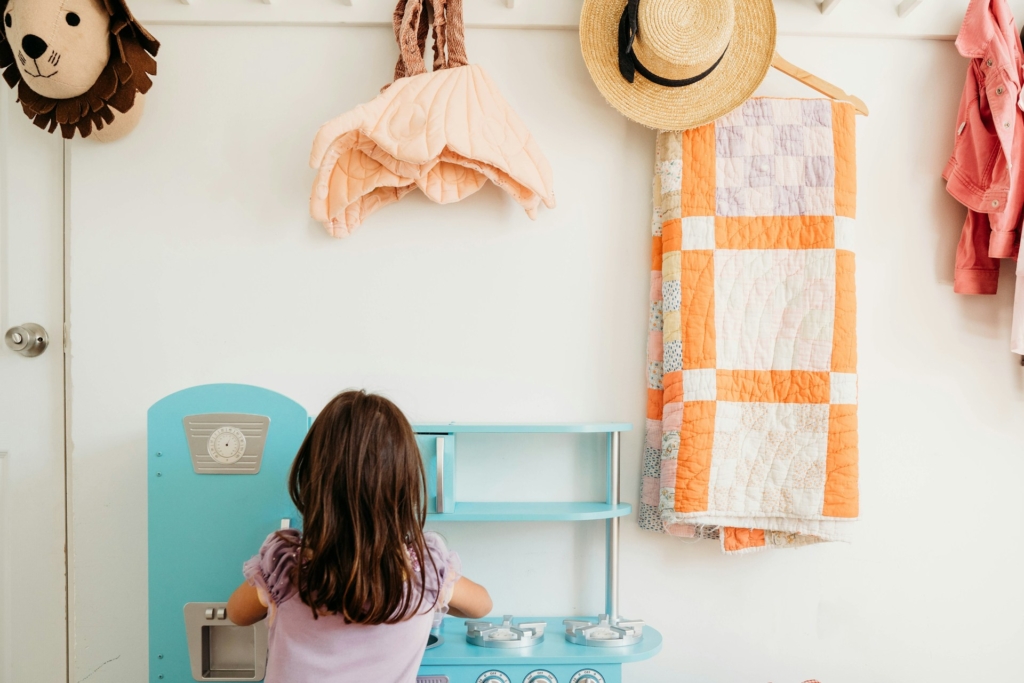
Imaginative and cooperative games like role-playing are also super popular. They help kids develop skills to model real-life social situations, practice them, and anticipate possible outcomes.
The Link Between Toy Choices and Personality Traits
Many studies show that kids’ favorite toys and types of play connect to psychological types and personality traits. When parents understand these links through their child’s toy choices, they gain insight into what truly interests their child and which areas are especially meaningful for their growth.
This awareness helps parents create a supportive environment for their child’s unique personality development while keeping playtime fun. It not only boosts skills but also strengthens the bond between parent and child through understanding.