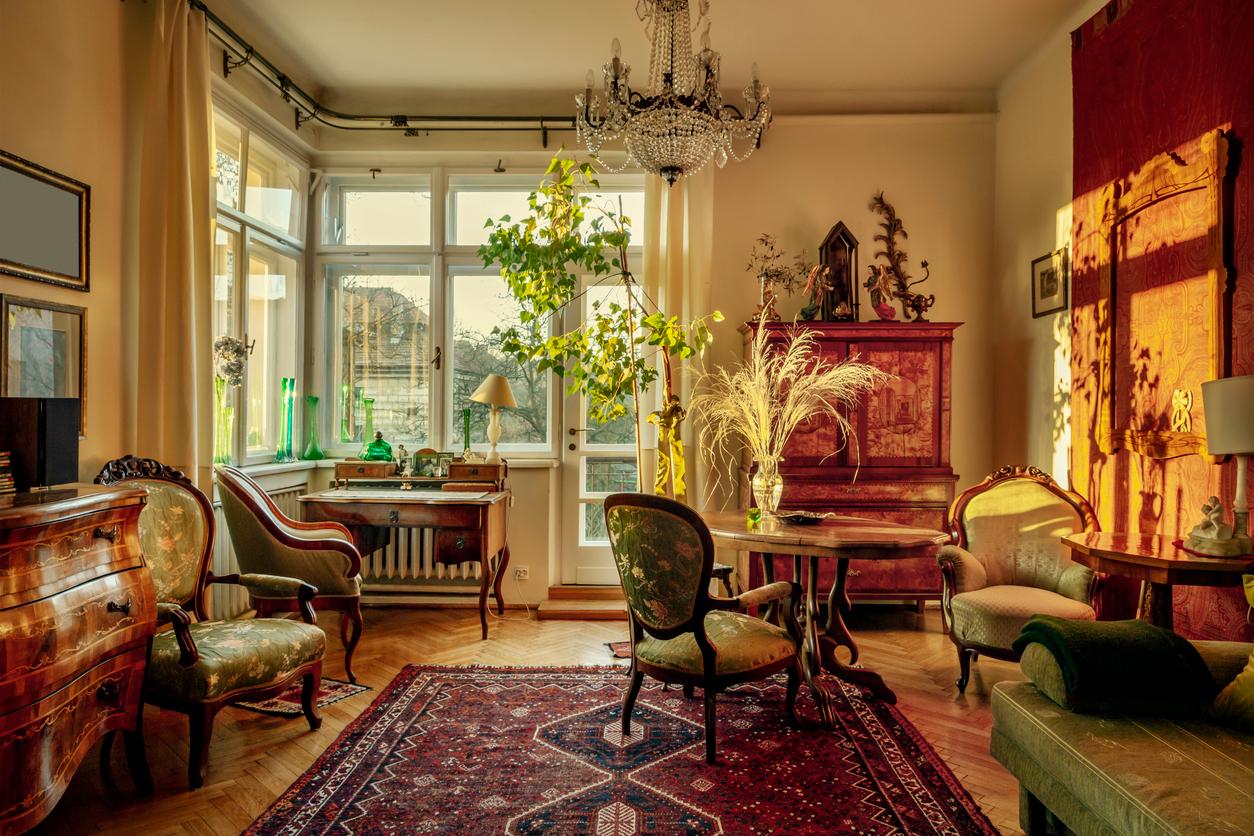
Step into a flea market or a second-hand home decor shop, and suddenly you’re surrounded by decades—even centuries—of history. Old lamps, quirky chairs, weathered mirrors—a true visual feast packed with inspiration.
But not all these pieces fall into the same category. The words “vintage” and “antique” are often used interchangeably, yet experts say they mean very different things. Some pieces are vintage, others antique—and the difference isn’t just about age, but also the feeling they bring. To help you navigate the world of timeless treasures, here’s a clear guide to the main differences between vintage and antique home decor, explained by the pros.
What Makes a Piece Truly Vintage?
Interior content creator Johanna Leung says: “We call pieces vintage if they’re at least 20 years old but less than 100 years old.” That means items made from the 1920s up to the early 2000s fall into this category. Yes, you read that right: ’90s home decor is now officially vintage, as designer and vintage dealer Katie Saro points out.
So What Makes a Piece Antique?
Leung explains that antique pieces are at least 100 years old, meaning they were made before the 1920s. Interior designer Philip Thomas Vanderford highlights that the biggest difference isn’t just age but feeling: “Antiques are over a century old and bring a sense of dignity and historical weight to a space. Vintage pieces, on the other hand, bring the past closer—they’re nostalgic but still easy to connect with.” In Hungary, the term “antique” is also legally and professionally defined: in the antique trade, it usually refers to items over 100 years old with artistic or historical value.
Vintage Styles
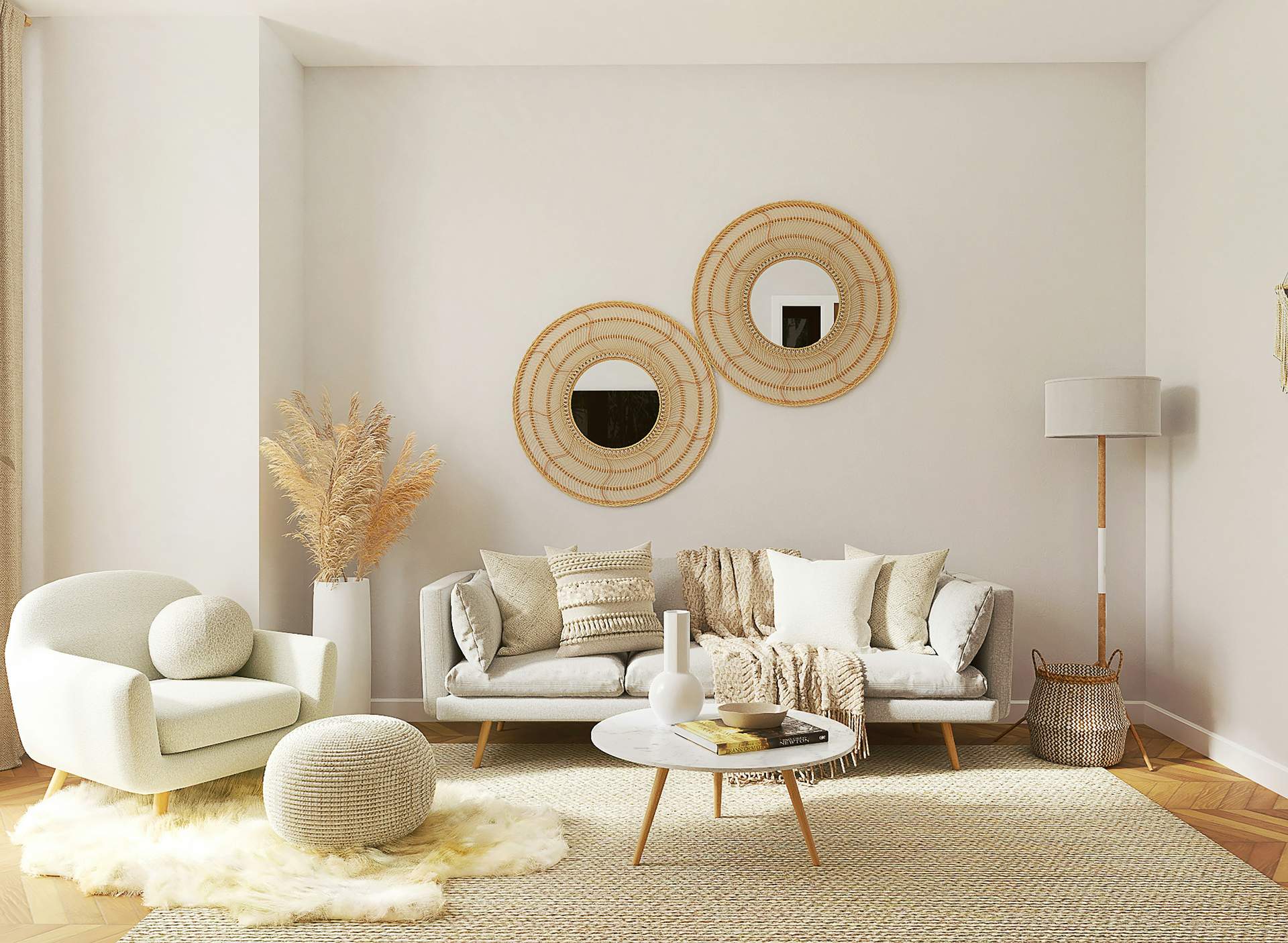
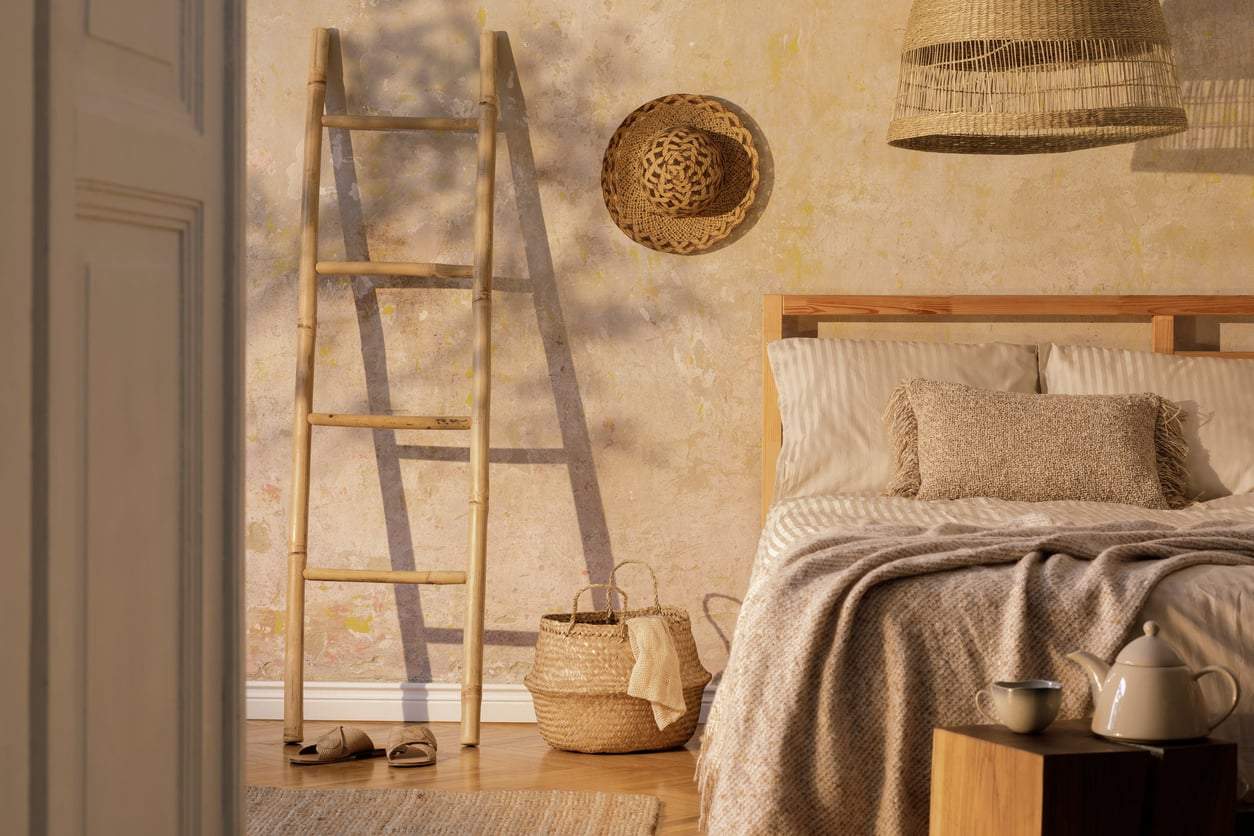
Katie Saro says when you think vintage design, the mid-century modern (MCM) style is one of the most iconic: retro vibes from the ’60s and ’70s like shag rugs, macramé, rattan, rotary phones, and warm colors, plus the bold, geometric Memphis style of the ’80s.
Antique Pieces
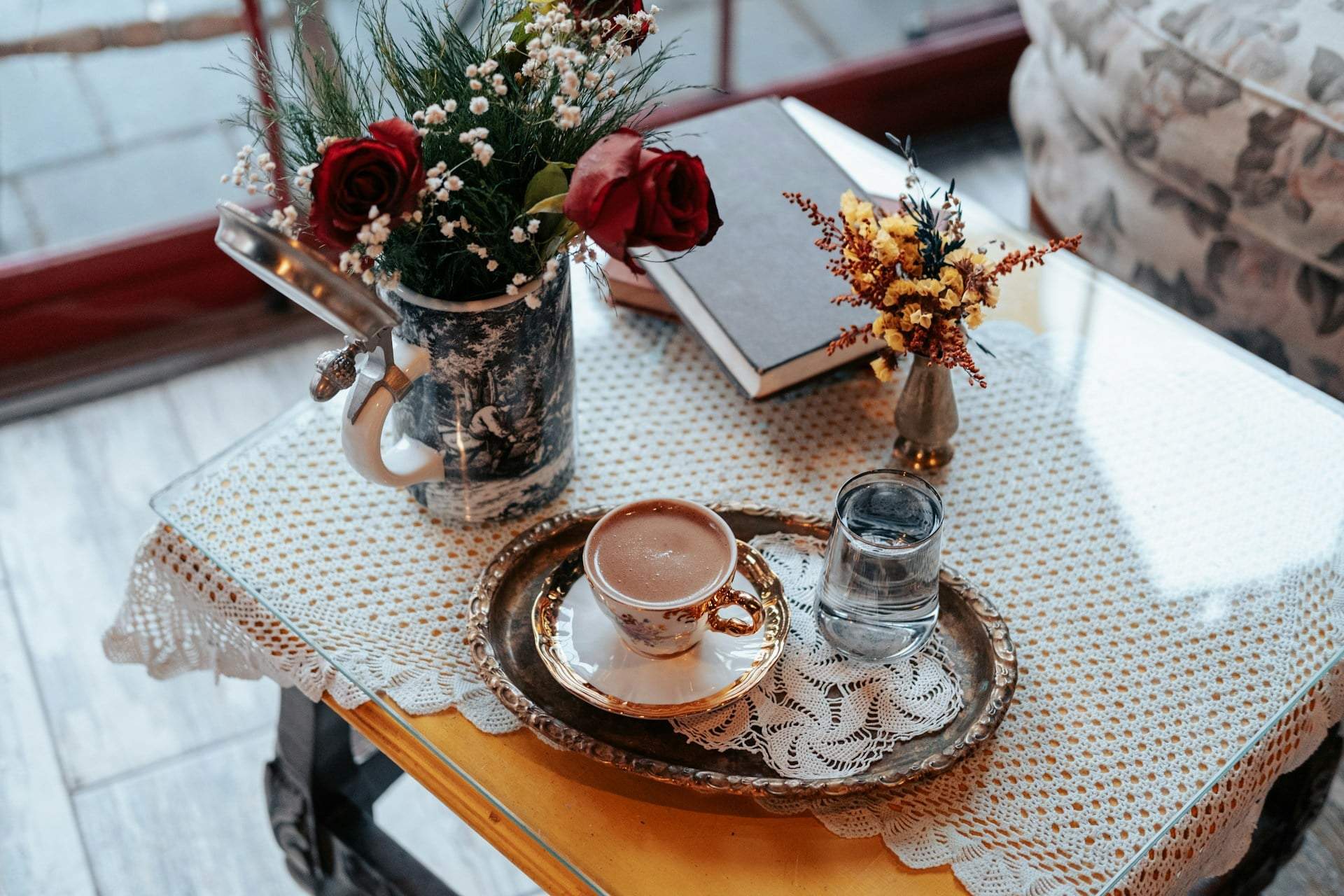
Vanderford shares classic examples: an 18th-century dining table or a Louis XVI armchair showcasing the era’s style. “As a designer, I use antiques when I want depth and elegance. Vintage pieces offer a friendlier, lighter sophistication.”
How to Mix Them in Your Home
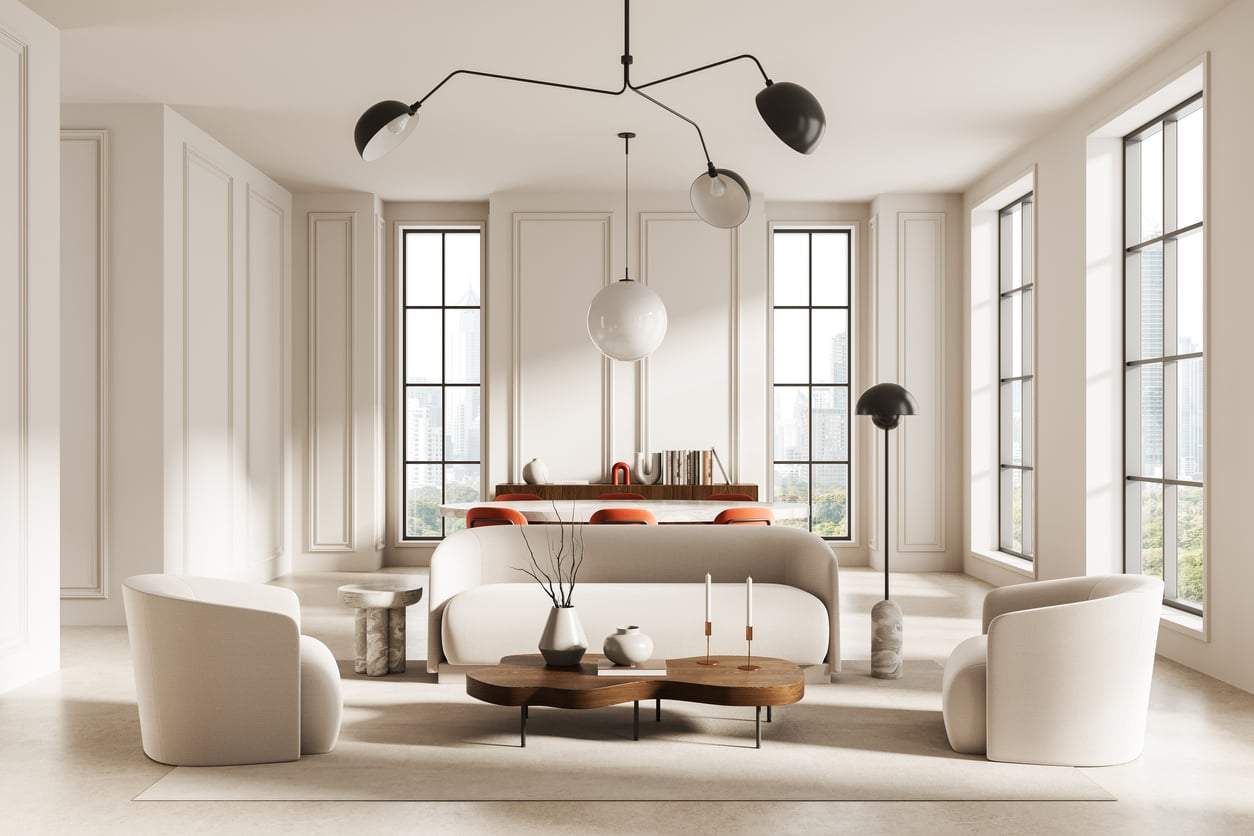
No need to choose just one: you can furnish a space entirely with vintage or antique pieces, or mix them with modern elements. “It’s like cooking—you have to experiment to see which flavors work together,” says Saro. Postmodern style pairs well with antiques, while ’50s style less so. The ’70s retro look fits beautifully in clean, monochrome spaces.
If vintage is your main vibe, Vanderford suggests: “Pick a standout vintage piece like an armchair or dresser, then add vintage mirrors, lamps, and artworks. These combos bring warmth and texture without overcrowding the space.” “For antiques, balance them with modern lines and bold colors to keep the room from feeling too heavy.” advises Saro. Vanderford agrees: “The blend of antique and contemporary furniture creates a balanced, refined look.” Layer with antique rugs, tapestries, and smaller furniture like carved side tables or gilded frames. Let your antique piece be the crown jewel of the room.