Once, during a conversation, I noticed something about myself. Someone was telling me a story, and I was listening, nodding, responding. Yet, my hand automatically started fiddling with the zipper of my jacket. I pulled it up and down, then back again. At the end of the conversation, I wondered, did the other person notice this? And if so, what might they have thought?
Since then, I’ve caught myself and others doing this more often. Our hands reveal a lot about us, often even when we don’t realize it. While we speak or listen, our hands often communicate in their own "language." Sometimes, they say something quite different from our words. Here’s what your hands are telling when you’re not paying attention!
Fiddling with Objects During Conversation
Notice during a chat how many people’s hands search for something. A ring, a pen, a glass, a hem, or their phone. Some twist their bracelet, others spin a pen between their fingers, or trace the rim of a glass repeatedly. This gesture is often a common sign of tension. It’s not always big stress—often just a bit of discomfort or uncertainty. Our brain tries to ease tension with a small, repetitive movement. Interestingly, many repeat the exact same gesture in similar situations, as if their hands have a comforting habit of their own.

Clasped Hands
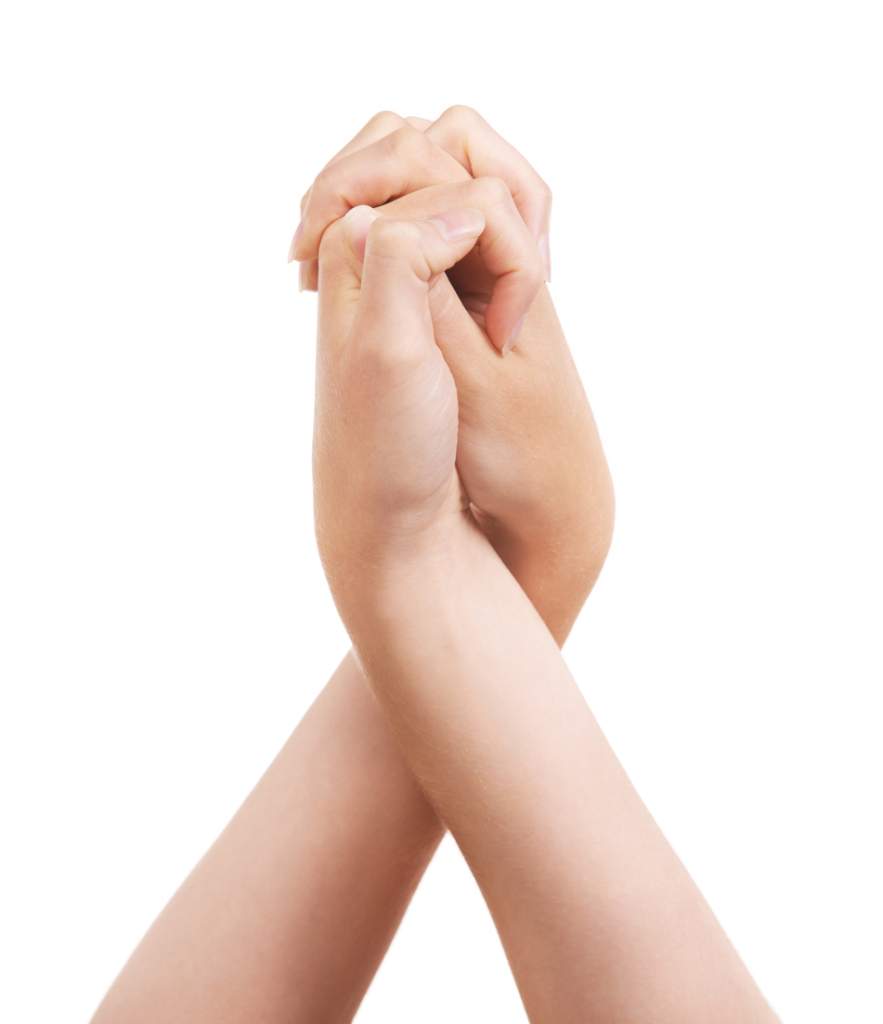
At first glance, clasped hands might look calm and composed. Yet they often signal a more reserved inner state. This posture shows someone who is attentive and present but holding back a bit. It’s common in formal settings, like meetings or job interviews. There’s an interesting difference between loosely and tightly clasped hands.
“Drawing” in the Air
You’ve probably seen someone who almost paints in the air with their hands while talking. These gestures emphasize their message, as if shaping their thoughts. This usually signals openness and enthusiasm. Such people often engage emotionally in conversations, and their movements help express their ideas. Research shows this kind of gesturing can even aid thinking. When we "accompany" our thoughts with hand movements, our brain organizes information more easily.

Hidden Hands
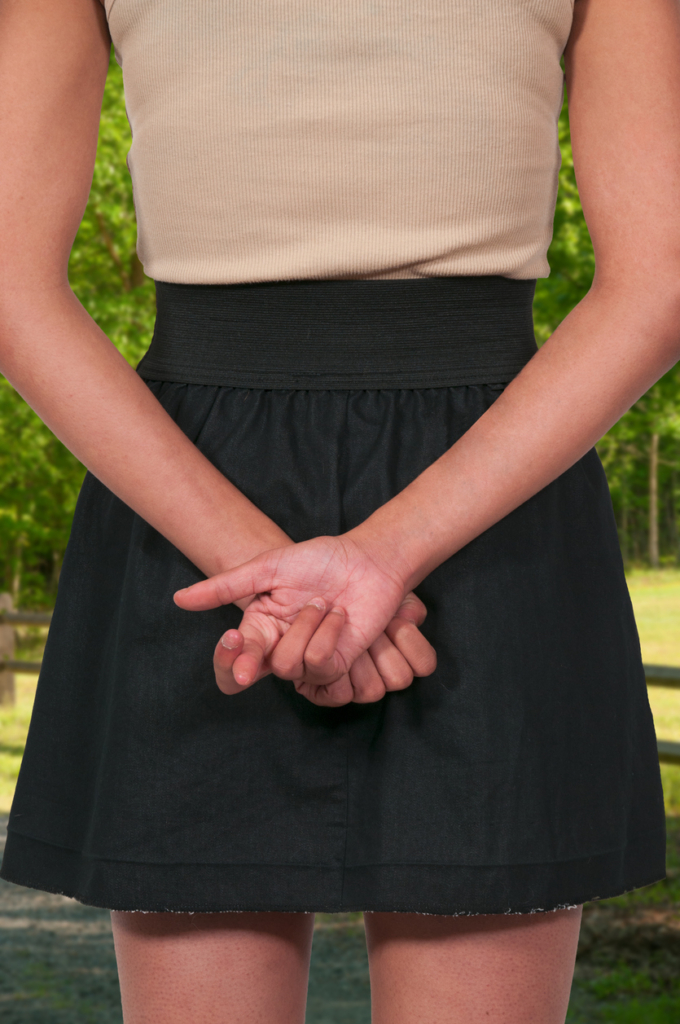
It’s interesting how many people instinctively hide their hands when feeling uncertain. They put them in pockets, behind their back, or under the table. This doesn’t necessarily mean they’re hiding something. Often, it just shows they feel a bit uncomfortable in the situation. When someone feels safe, their hands tend to be more visible and move freely. That’s why open hand gestures are an important sign of trust in many cultures.
The Open Palm
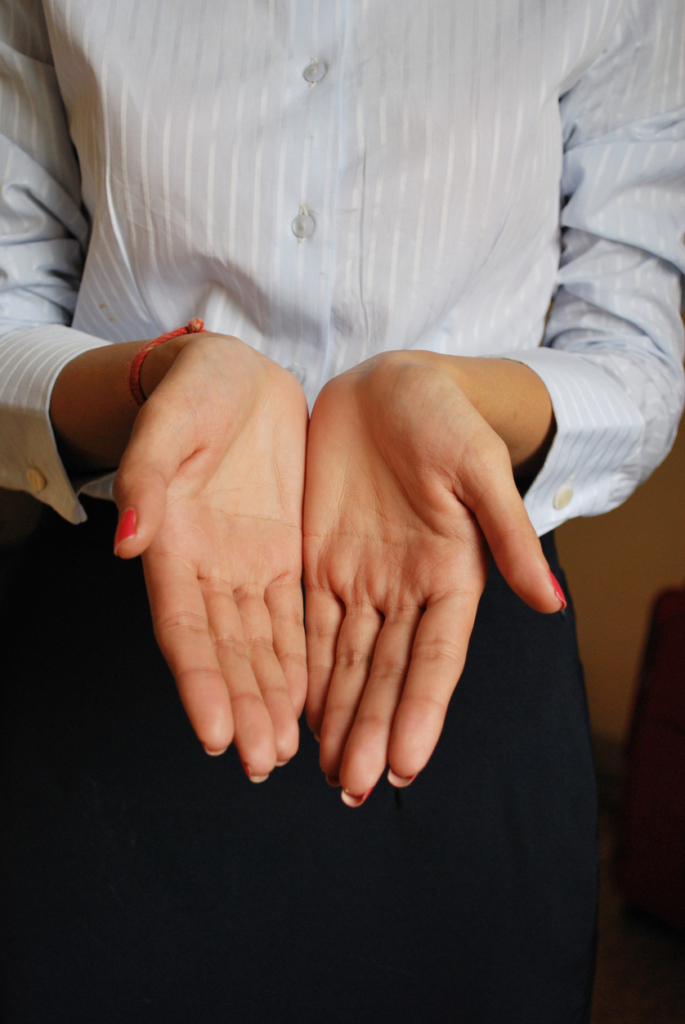
There’s a gesture we often don’t even notice: when someone turns their palm outward while speaking. This is a very old, instinctive sign. The open palm is a classic symbol of trust and honesty. It basically says: “I have nothing to hide.” It’s no surprise that teachers, speakers, and leaders often use this gesture.
The open palm subconsciously tells the audience that the speaker is sincere and transparent.
Finger Drumming
Another very common gesture is finger drumming on a table or armrest. This often signals impatience or inner restlessness. It usually appears when someone is waiting for something, like an answer or the end of a conversation. The repetitive rhythm helps release built-up energy. These small movements often reveal our mood sooner than our words do.

When Your Hands React Faster Than You
Perhaps the most fascinating thing is that most of these movements are completely automatic. Our hands often react faster than our brain processes the situation. That’s why someone might nervously drum their fingers while saying, “Of course, everything’s fine.” Our words say one thing, but our hands tell a very different story. And once you start noticing these little movements, you’ll find yourself analyzing not just others but your own gestures too.