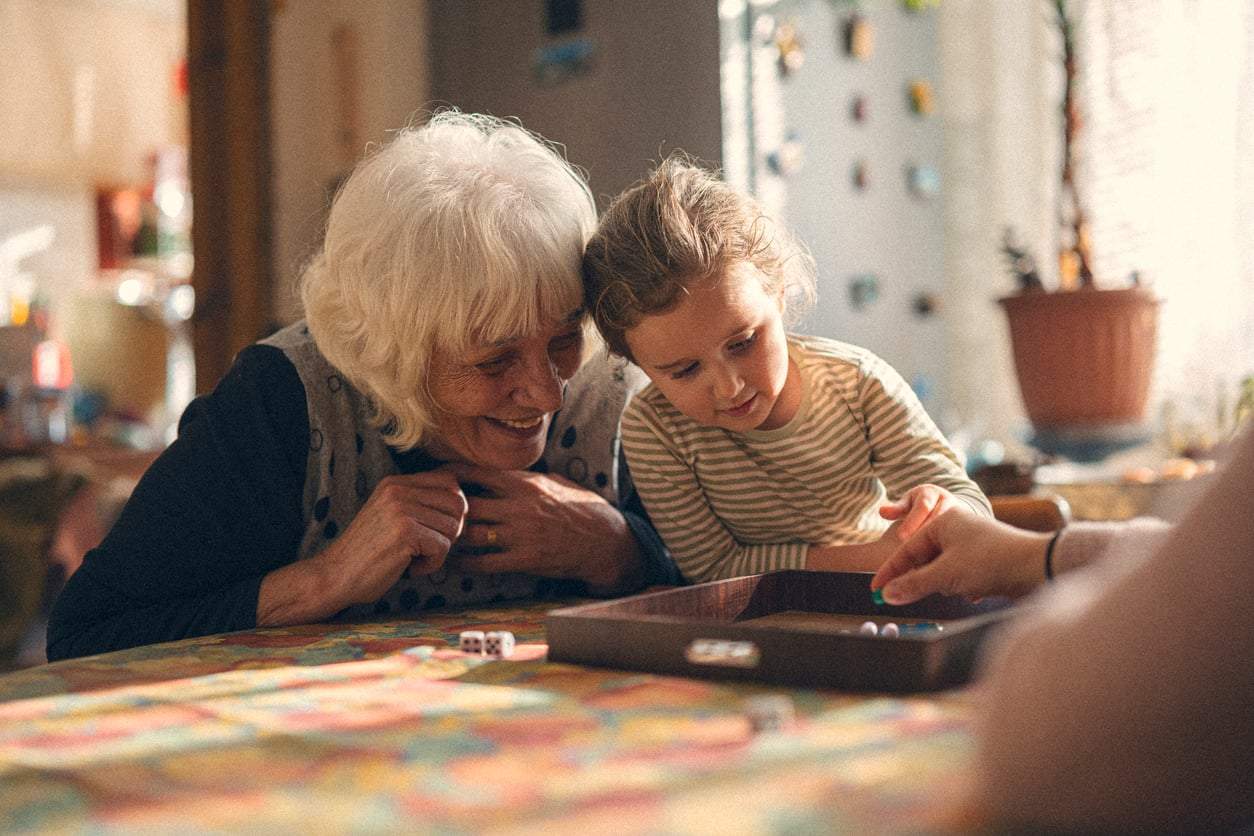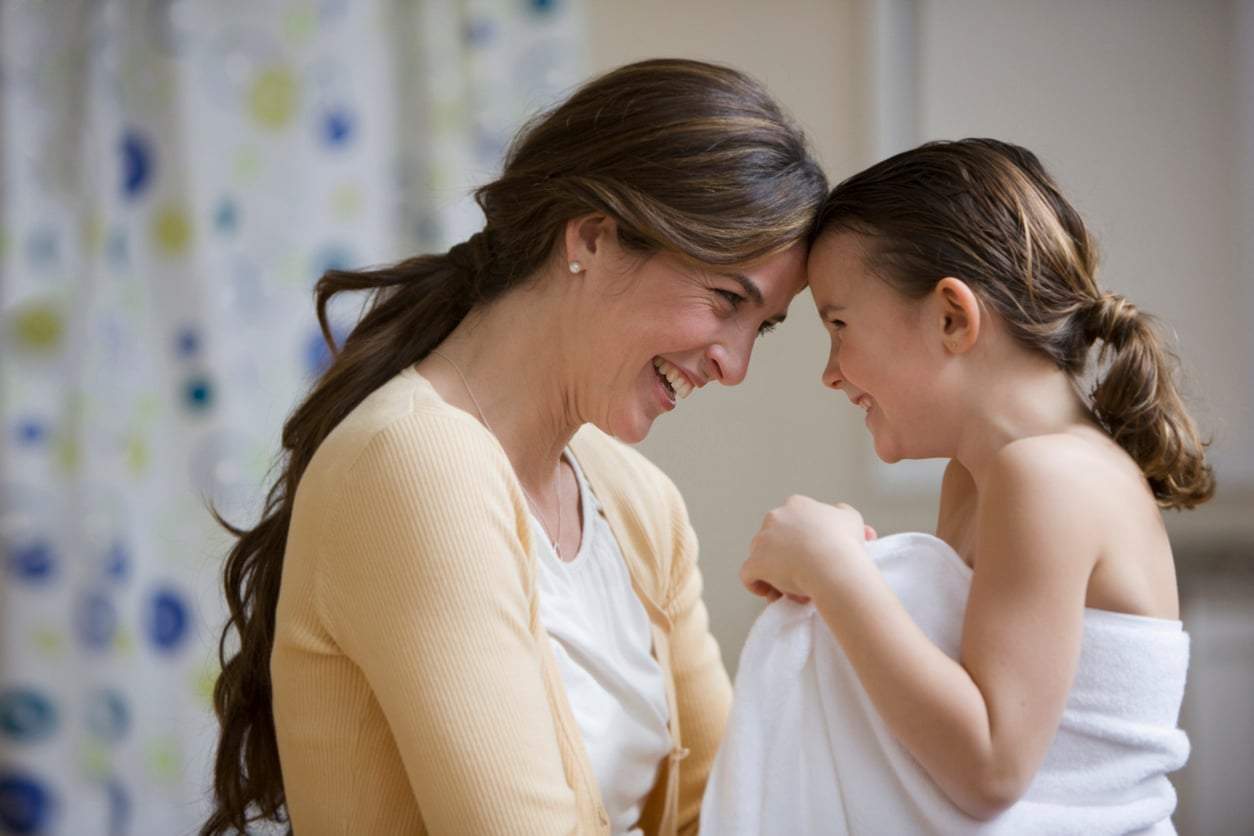
Have you ever watched a dad get a standing ovation for doing something you do a hundred times a week without a single word of thanks? If so, you already know the feeling in your gut.
The parenting double standard has never been more obvious. And once you start noticing it, you can't stop. Here are the everyday moments that made one mother finally say what so many of us are thinking.
1. The "favor"
A few months after giving birth, I went back to my weekly get-togethers with the girls. They were all gushing about how my husband "helps me so much" by staying home with the baby while I'm out.
I pointed out that he goes out with his friends every Friday, so I didn't understand why he was being put on a pedestal. Their response? That I don't appreciate him enough.
So I said it plainly: the baby is just as much his as mine. A father looking after his own child isn't doing the mother a favor — he's meeting the bare minimum. It's astonishing how hard a woman has to work just to be an average mom, and how little a man has to do to become a "wonderful dad."
2. The idol
The moms at the park practically wanted to build my husband a statue because he took our little girl to the playground a few times.
Meanwhile, I was home breastfeeding our son, cooking, doing laundry — and, oh yes, writing my dissertation. But Dad got the applause for taking the kid out to "graze" on a couple of occasions.
3. "Well, would you look at that!"
My son's teacher gushed about my husband once. All that happened was that she couldn't reach me by phone — I was in a meeting — so she called him to ask when our son had training. And, imagine that: "Dad actually knew!"
I remember thinking how low the bar must be set for fathers if even this counts as an achievement.
4. Surrounded by fans
Our baby was three months old when we hosted our first guests — close family and friends. My husband changed the baby's diaper, and I noticed he had an audience: a little circle of women watching in awe.
For the next hour, every friend, aunt and sister-in-law came over to congratulate me on what a fantastic father he was. Later, I changed the baby too. I had no fans. And nobody went over to my husband to congratulate him on his wonderful wife.
If these small moments feel painfully familiar, you may also recognize yourself in the quiet exhaustion of going back to work while still carrying the mental load at home.
5. The "careerist"
Six months after giving birth, I went back to work and my husband stayed home with the baby. He runs his own company and can manage it from home, so he doesn't need to commute. I was a middle manager at a multinational, and not long after returning, I got promoted.
Guess how many people congratulated me. Apart from my direct boss — a middle-aged woman — basically no one. Instead, everyone told me my career mattered more to me than my child. Even my family and friends shook their heads.
But if a dad had been in my shoes, everyone would have celebrated how hard he works to provide for his family.
6. The sad truth
I had to stay late at work, so for once my husband took our child to the doctor. At our next check-up, the doctor and her assistant sang his praises with shining eyes, marveling that he "knew everything about the child!"
Frowning, I asked why this was such a big deal — it's his own kid, after all. That's when they explained that fathers usually don't even know why the child is at the doctor (because Mom booked the appointment), and often can't even say when the baby was born.
It's genuinely sad. And imagine the opposite — what would we all think about a mother who didn't know?
7. The "lucky one"
I had to travel to the countryside for a relative's funeral and left at dawn, so my husband woke the kids and took them to school. (I'd already made their breakfast sandwiches and packed their snacks.)
That evening, I was watering the garden when my neighbor came over to tell me how lucky I was to have such a husband. "Because he can handle one ordinary morning with his own children?" I asked.
And I started thinking: who praises me when I'm sick, sleep-deprived or dead tired, and I still get the whole family ready for a holiday — making breakfast, washing up, feeding the pets, watering the plants, and even throwing on some makeup? Nobody. Because that's just expected.
Is it fair to be frustrated by this double standard?
Yes. Recognizing that mothers and fathers are held to wildly different expectations isn't about resentment — it's about noticing an imbalance that many women carry silently every day.
Why do fathers get praised for basic parenting tasks?
As the stories above show, society often treats a father caring for his own child as something extraordinary, while the same actions from a mother are seen as the bare minimum she's simply supposed to do.
What does the "mental load" have to do with all this?
The mental load is the invisible work of remembering appointments, packing snacks, booking doctor visits and keeping the household running. In these stories, moms carry it constantly — yet it's the visible, occasional tasks dads do that get noticed and celebrated.