Should I stop looking at my pension balance?
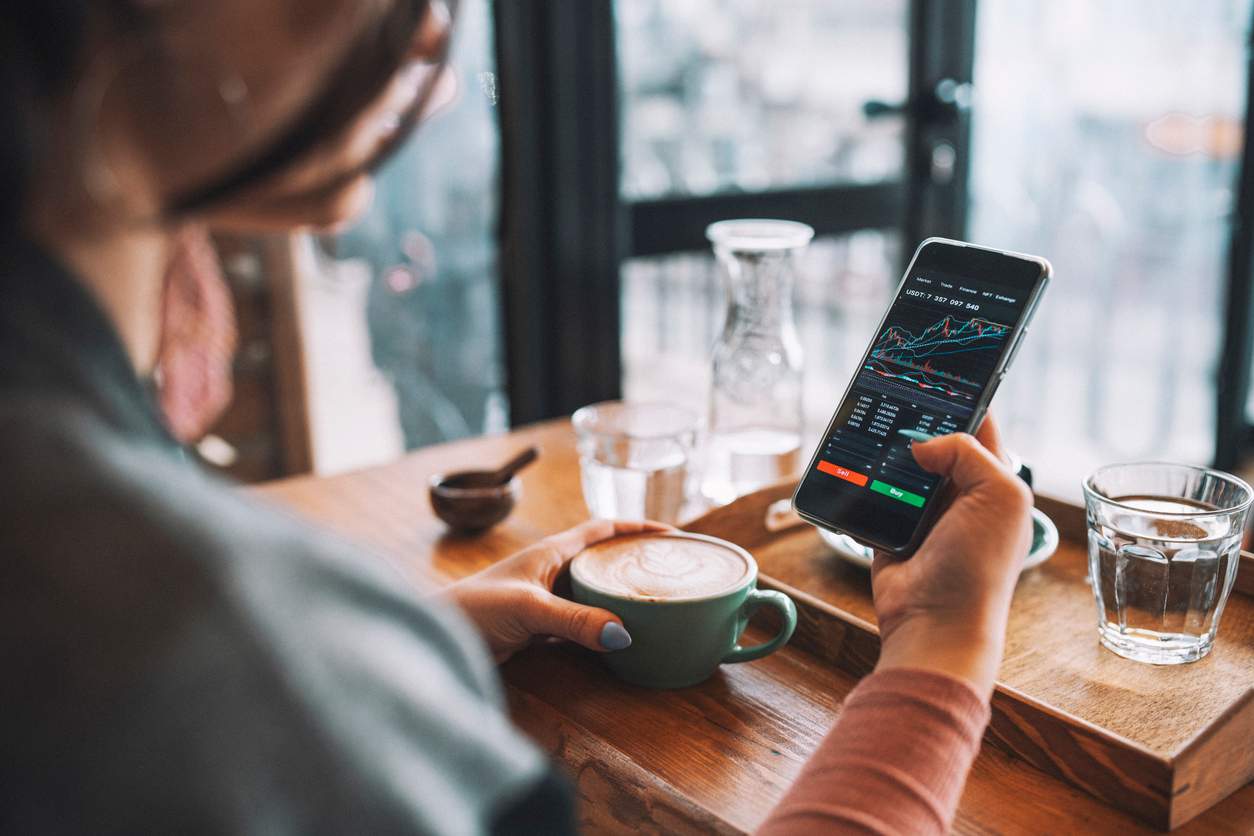
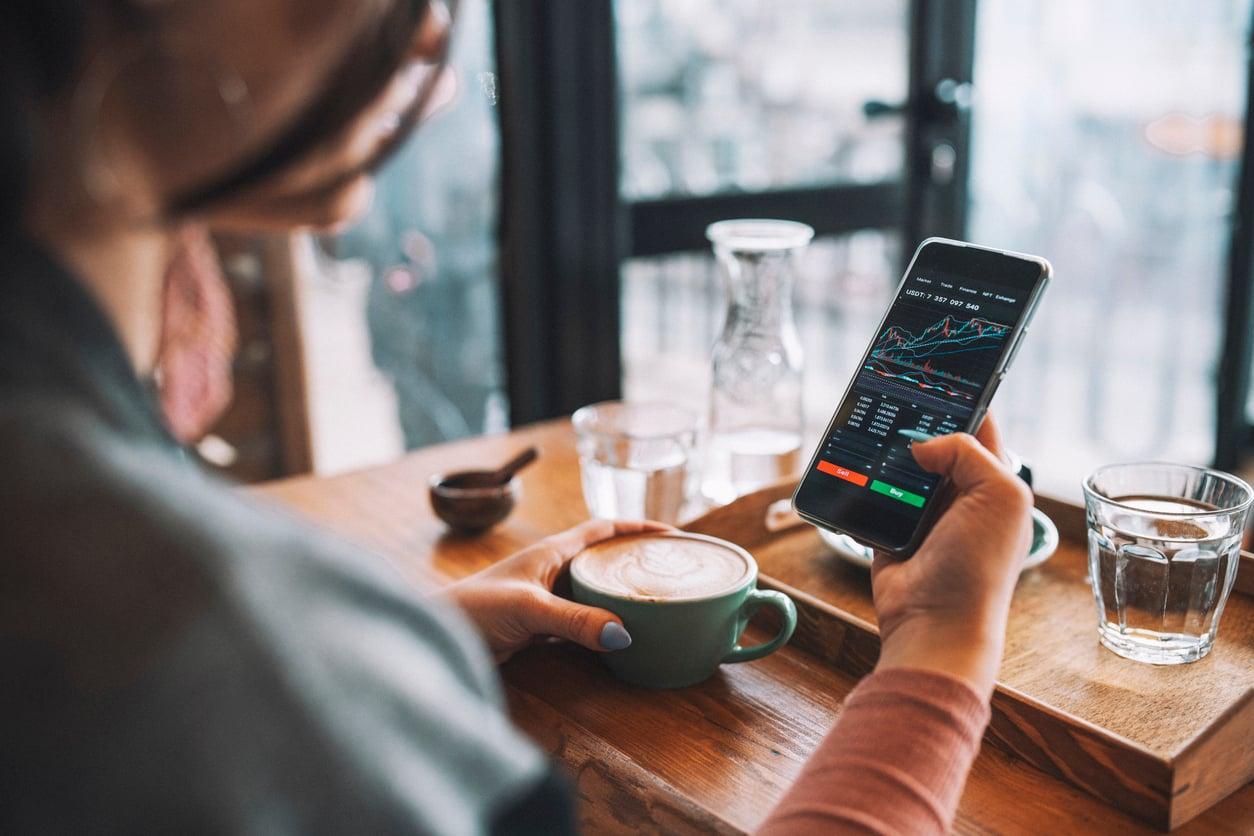
For most people the answer is not never, but far less often. Checking a long-horizon pot weekly gives you all the anxiety of short-term movement with none of the usefulness, because you are not going to act on it anyway. A sensible habit is a scheduled review a couple of times a year, where you look at contributions, charges and whether your circumstances have changed — and if any of it genuinely confuses you, that is the moment to speak to a qualified financial adviser rather than a comment section.
How do I talk about money worry without spreading it round the house?
Name the worry once, properly, with the person who shares the finances, instead of letting it leak out as snappishness about the heating. A clear conversation sounds like: here is what I am anxious about, here is what we would do if it happened, here is when we will check in again. With children, keep it honest but bounded — they need to know the adults have a plan, not the detail of the plan. Worry shared in a structured way becomes smaller; worry left to seep out of your mood just makes everyone tense without anyone knowing why.
End the day somewhere other than the headlines
If you take one habit from all of this, make it the last twenty minutes of your evening. Money anxiety thrives in the gap between finishing the reading and falling asleep, when there is nothing to do with the feeling except turn it over. Close the tabs earlier than feels natural, write tomorrow's one practical money task on paper — call the provider, check the direct debit, ask about the training budget — and let the rest wait. Steadiness is not confidence that everything will be fine. It is the discipline of doing the small useful thing while the volume is still up.