Cats, those majestic and mysterious creatures, can sometimes be hard to read. While we want to understand them, it’s not always easy to decode what they’re really trying to tell us. Their body language reveals not only what they’re thinking or feeling but also how we can connect with them on a deeper level. Here’s how to spot the subtle and sometimes obvious signs your kitty gives you.
Why Knowing Cat Body Language Matters
Cats communicate not just with purrs or meows but also through their body, moving their ears and tail to express feelings and moods. When you understand these gestures and postures, living together becomes more joyful. You’ll quickly notice if something’s off or if your cat is especially happy or uncomfortable.
The Special Language of Ears
Your cat’s ears send a variety of signals. When kittens perk their ears forward with curiosity, it means they’re alert and interested in something.
But if they flatten their ears back, it often signals fear or anxiety. Approach your furry friend gently—they don’t feel safe right now.
Ears turned sideways can be a warning sign, showing your cat might be feeling conflicted or annoyed. With patience and understanding, you can help keep your cat’s emotional balance steady.
What Your Cat’s Tail Is Telling You
A cat’s tail is like an open book to their mood, communicating in many ways. A tail held high usually means a confident, happy cat. A slowly swaying tail suggests your kitty might be unsure or deep in thought.
A flicking or sharply raised tail clearly shows irritation or stress—signals worth paying attention to. Recognizing these signs helps you ease your cat’s tension and tune into their world faster.
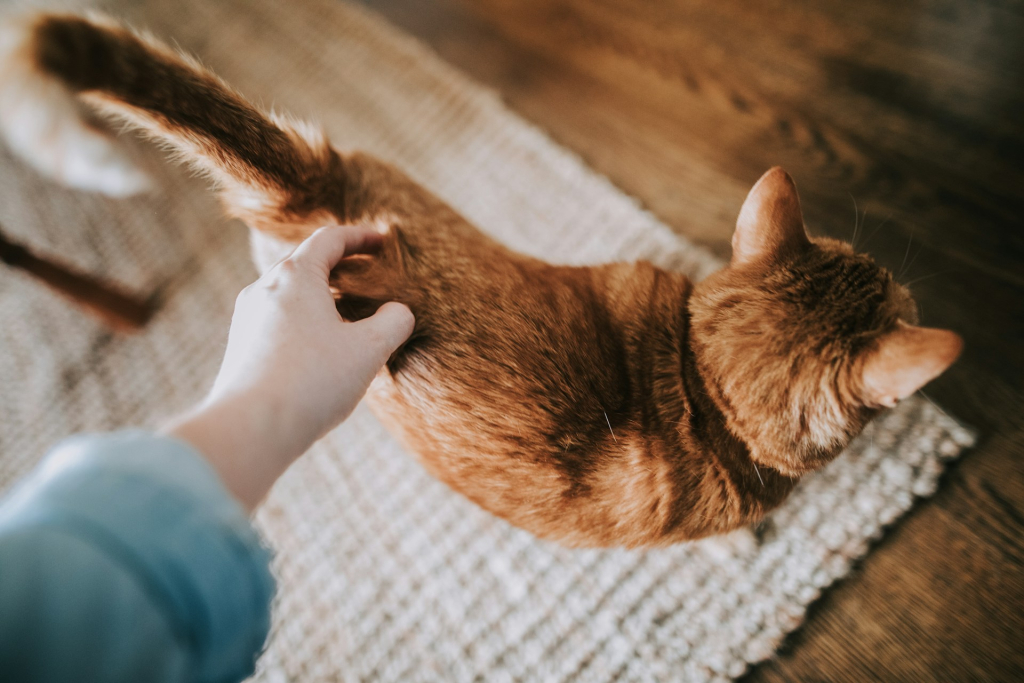
Behavior Differences
Understanding cat body language means looking beyond single gestures. Context matters, so watch for multiple signs together. For example, a purring cat with an arched back and fluffed fur might be inviting you for a cuddle. On the other hand, a low head and tense body signal stress or fear. Respect your cat’s world and approach with patience and kindness.
The Expressive Language of Eyes
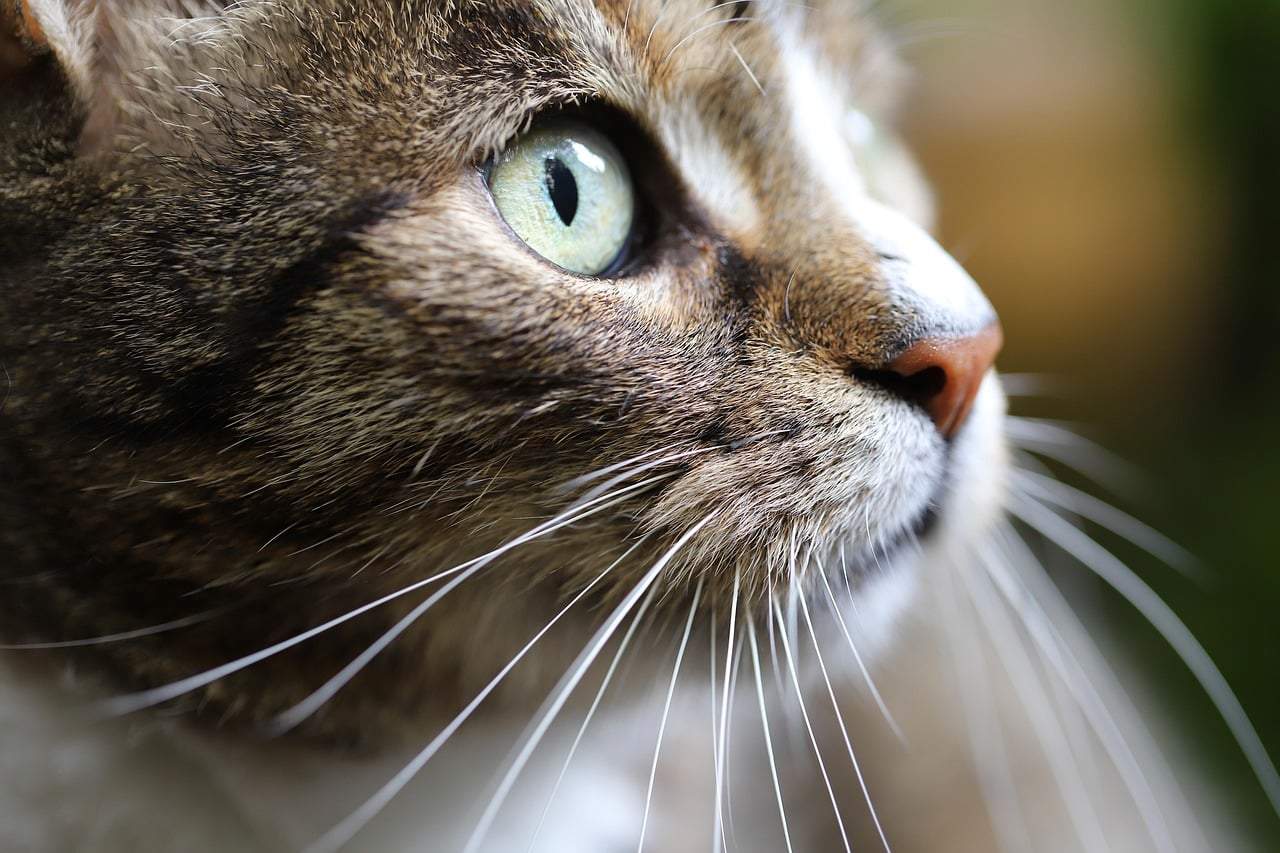
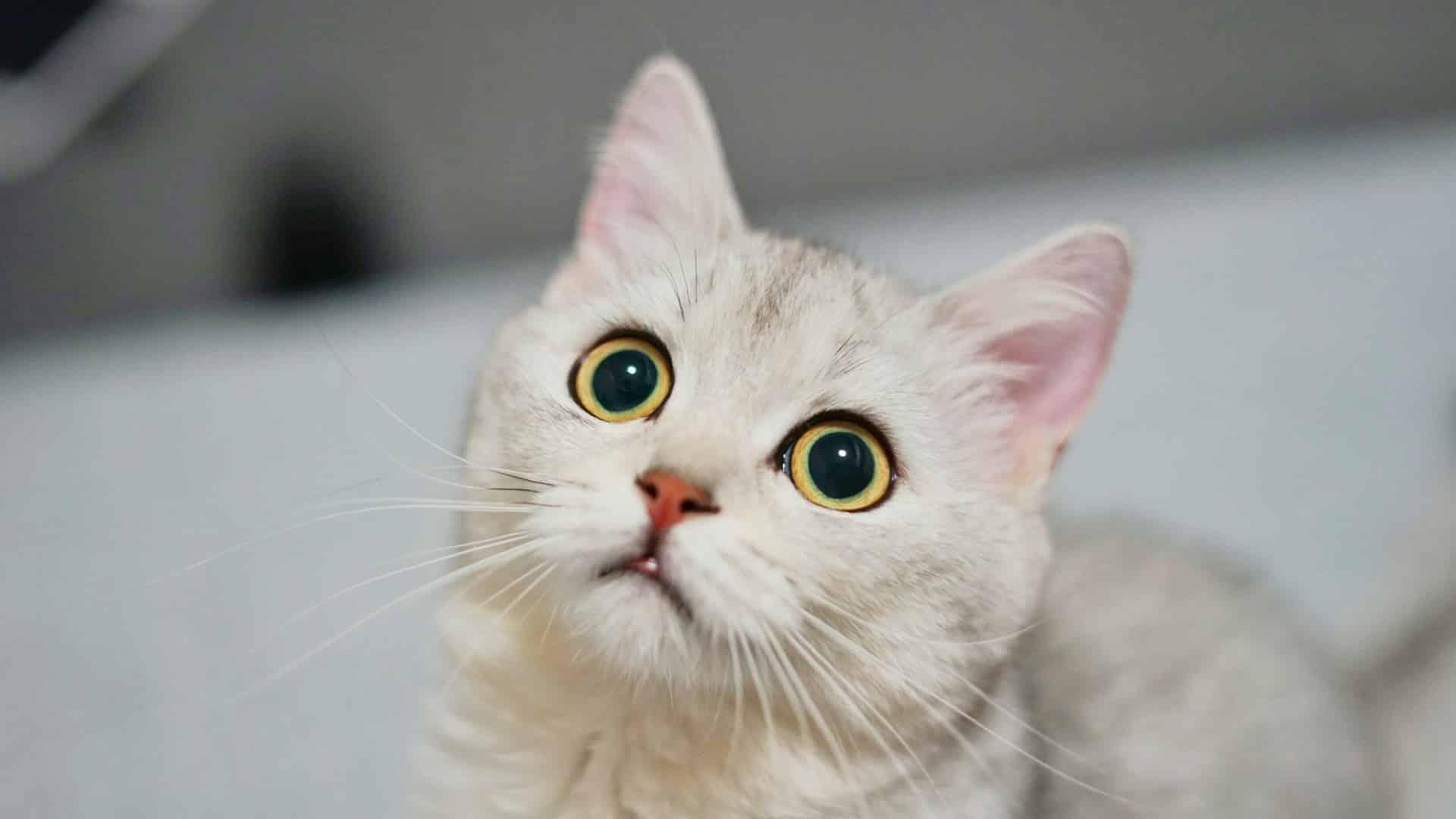
Cats’ eyes tell stories about their feelings and moods too. A slow blink from your cat means trust—it’s their way of saying they feel safe with you. These gentle blinks can also be invitations to come closer and strengthen your bond. But wide, tense eyes might show stress or aggression, signaling it’s best to give your cat some space.

Different Cat Personalities
Cats have a wide range of temperaments, just like people. Some are shy and enjoy quiet moments, while others are playful and social butterflies. Notice which type your cat is—this insight helps you communicate better and make their days happier.
Understanding your cat’s body language brings you closer and helps you tune into their needs and wishes. Remember, every little movement and sound is a clue—pay attention, and you’ll build an even deeper friendship.