As dietitian Molly Knudsen shared on mindbodygreen, the two most popular coffee types, arabica and robusta, differ significantly in taste and nutrient content. Let’s explore which might be your best pick if you want coffee that’s not only delicious but also as healthy as possible.
Coffee Basics: Arabica and Robusta
Coffee (Coffea) grows in tropical highlands, and the beans inside the coffee cherries are what eventually become your favorite brew. While there are over 120 coffee species, most everyday coffee comes from just two: arabica and robusta.
Both contain caffeine, antioxidants, oils, and phenolic acids, but their proportions and quality vary, influencing flavor and health benefits.
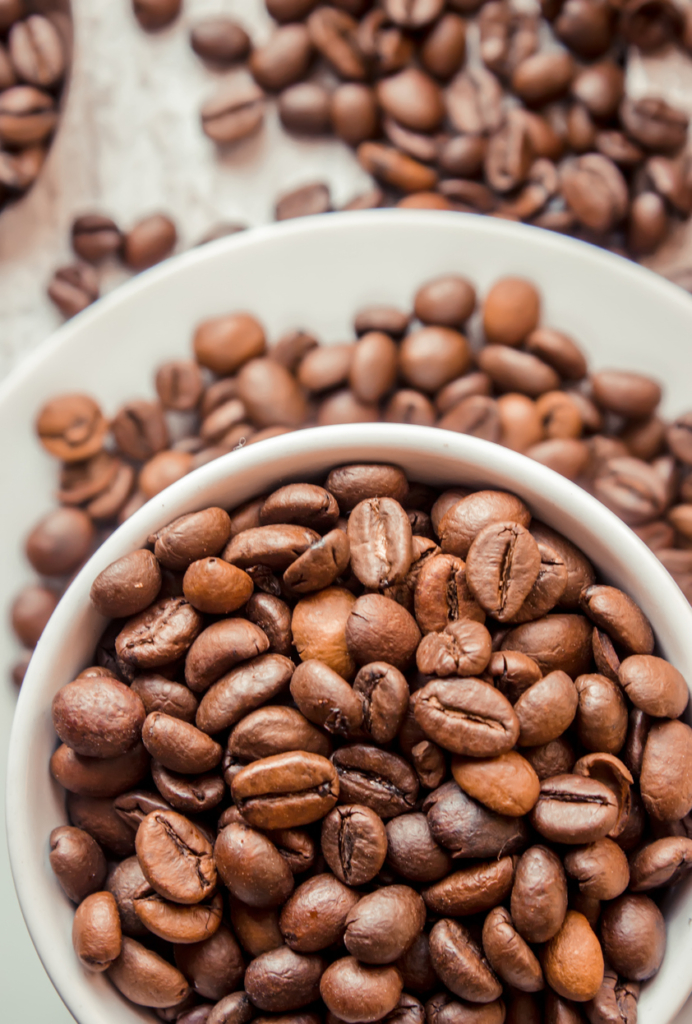
Arabica: The Smooth and Aromatic Choice
Arabica coffee is known for its complex, delicate flavor. Here’s why:
- Softer taste: Arabica has less caffeine and chlorogenic acid, resulting in a smoother, less bitter flavor.
- Richer oil content: Arabica beans have about 60% more oil, giving a creamier texture and more intense aroma.
- Lower amino acids: This creates a lighter, smoother body in your cup.
- Higher acidity: The brightness adds freshness and balances the flavors.
Arabica is often the premium pick for flavor, which is why many coffee lovers automatically reach for it in stores. Though it’s pricier, many say the quality and experience are worth it.
Robusta: The Bold Character
Robusta coffee often tastes bitter, earthy, or slightly rubbery and packs more caffeine, giving it a stronger punch. It’s also more prone to defects like mold or insect damage, though good quality control can prevent these.
While there are high-quality robusta coffees, the industry has focused more on arabica cultivation, so robusta is often seen as lower quality.
How Coffee Can Support Your Health
Coffee is one of the most studied plants worldwide. Research shows that regular, moderate black coffee consumption:
- Supports heart health,
- Protects the brain from cognitive decline,
- Promotes gut flora diversity,
- Boosts metabolism,
- And naturally enhances focus.
Arabica and robusta have similar nutrient profiles, but roasting and brewing methods greatly affect antioxidant levels. Light and medium roast arabica preserves more antioxidants, while robusta is often dark roasted to reduce bitterness.

Which One Should You Choose?
If both taste and health matter to you, 100% arabica coffee is your best bet. Light or medium roasts keep the delicate aroma and antioxidants, and filtered methods like drip, pour-over, or cold brew boost nutrient richness even more.
You can enjoy robusta if you like a stronger, bolder flavor, but finding good quality robusta takes a bit more effort.
What to Keep in Mind
Your morning coffee isn’t just your wake-up call—it’s a choice that matters for both flavor and health. Arabica offers a smooth, aromatic, antioxidant-rich option, while robusta delivers a stronger, more bitter, less refined experience. To be sure, go for 100% arabica beans with a light to medium roast, and savor every note and health benefit your coffee brings.