Southern Living recently highlighted that some weeds are real garden superheroes: they improve soil quality, lock in moisture, reduce erosion, and even attract pollinators—a growing need here in Hungary too.
Why You Should Garden in an Eco-Friendly Way
Natural gardens, wildflower lawn patches, and biodiversity-friendly yards are becoming more popular in Hungary. This trend isn’t just about looks: eco-friendly gardening supports climate action, soil regeneration, and pollinator preservation.
The good news? You don’t need to be a gardening expert to make a difference: sometimes the best step is to do nothing—just let nature do its thing. Meet five plants you might have been pulling out—but from now on, you might want to keep!
Dandelion (Taraxacum officinale) – Nature’s Soil Improver
A childhood favorite often dismissed as a weed, dandelion is actually a fantastic soil loosener. Its deep roots break up compacted soil and bring up nutrients like calcium from deeper layers that other plants can’t reach. When it dies back, it enriches the soil as organic matter.
Tip: If you don’t want it spreading, remove it before it flowers to prevent seed dispersal.
Common Purslane (Portulaca oleracea) – The Moisture Champion
This low-growing, fleshy-leaved plant is a great ground cover that helps retain moisture, reduce erosion, and suppress weeds. It’s also drought-tolerant, which is especially valuable during summer.
Bonus tip: Some people even add it to salads since it’s edible and rich in omega-3 fatty acids!
White Clover (Trifolium repens) – A Natural Nitrogen Booster
Often seen as a nuisance, white clover is actually an amazing soil improver: it captures nitrogen from the air, acting as a natural fertilizer for nearby plants. Its deep roots improve drainage while holding the soil together. Plus, its white flowers attract bees and butterflies—an incredible boost for local biodiversity.
American Violet (Viola sororia) – A Colorful Protector
This colorful little wildflower forms dense green foliage that prevents weed overgrowth and reduces soil erosion. Though it can spread aggressively, if kept in check, it’s a true ecosystem builder. Its flowers attract pollinators, while its leaves are enjoyed by caterpillars and birds.
Tip: It thrives best in shadier, more humid garden spots.
Common Self-Heal (Prunella vulgaris) – Nature’s First Aid
Also known as throatwort, common self-heal is a well-known medicinal herb. Its purple flowers are eye-catching and attract plenty of pollinators. It’s an excellent ground cover that tolerates foot traffic, mowing, and even Hungary’s summer droughts.
Tip: If your garden has shady, bare patches, this plant could be the perfect fit!
See Weeds in a New Light!
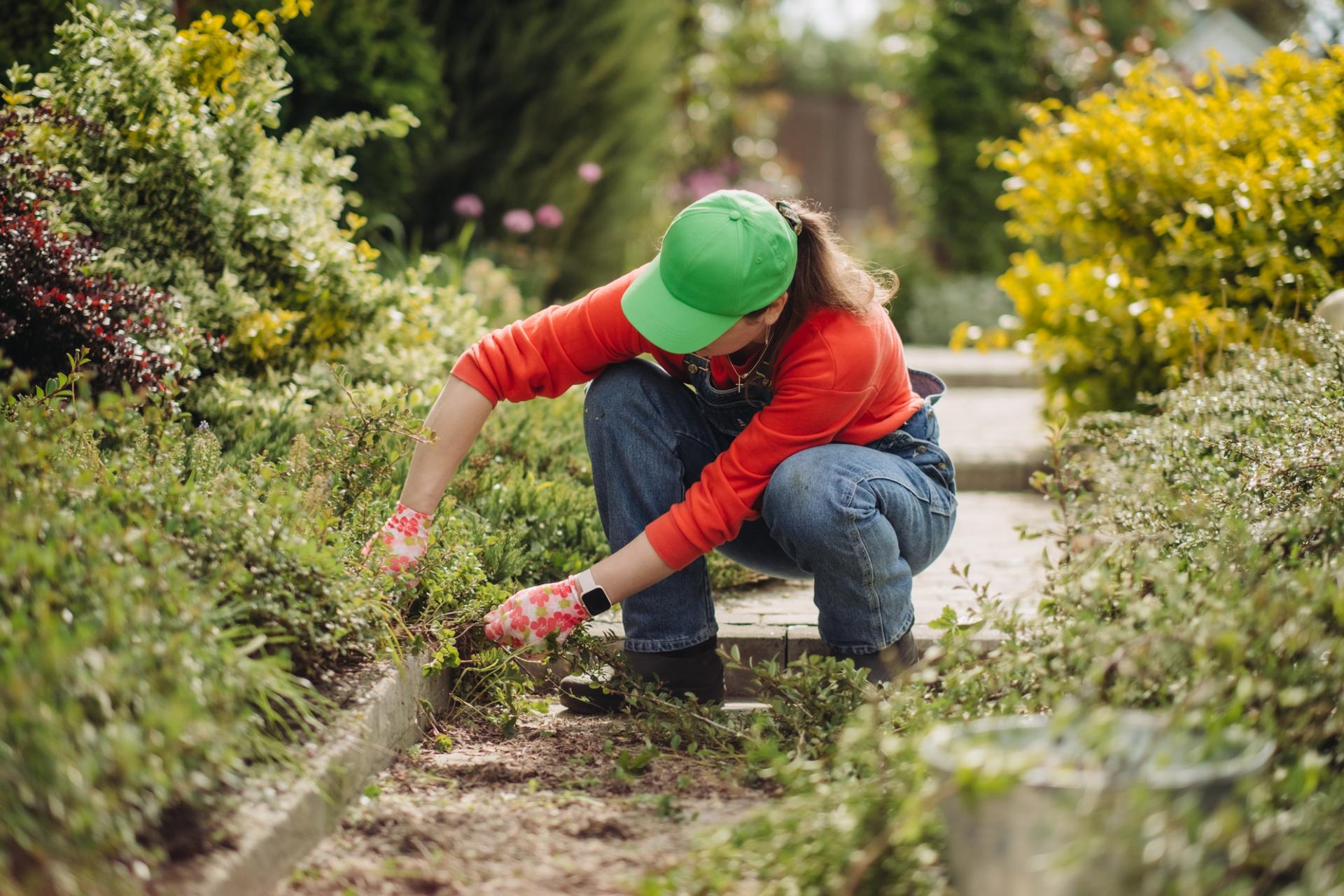
Gardening isn’t just about order and shape—it’s about supporting the balance of a living system. These wild plants aren’t enemies; they can help make your garden healthier, more colorful, and more vibrant. Next time you spot an unfamiliar green patch in your lawn, take a moment to check if it’s helpful before deciding whether it stays!