Today, as the world faces both imagined and real challenges—from the aftermath of a global pandemic to pervasive inflation—we’re all rethinking how we handle money. Data reveals an intriguing question amid economic struggles: how much does wealth influence our willingness to give and support others?
What Do the Studies Show?
An international research team (social psychologists from the University of California, Berkeley and the University of Toronto) studied giving habits across different socioeconomic groups and uncovered some fascinating trends.
The findings highlight that people with fewer financial resources often show a stronger willingness to share what they have with their communities than their wealthier counterparts.
At first glance, this might seem surprising since we might expect wealthier individuals to be more generous. But understanding the social and psychological factors behind these results sheds light on why this happens.
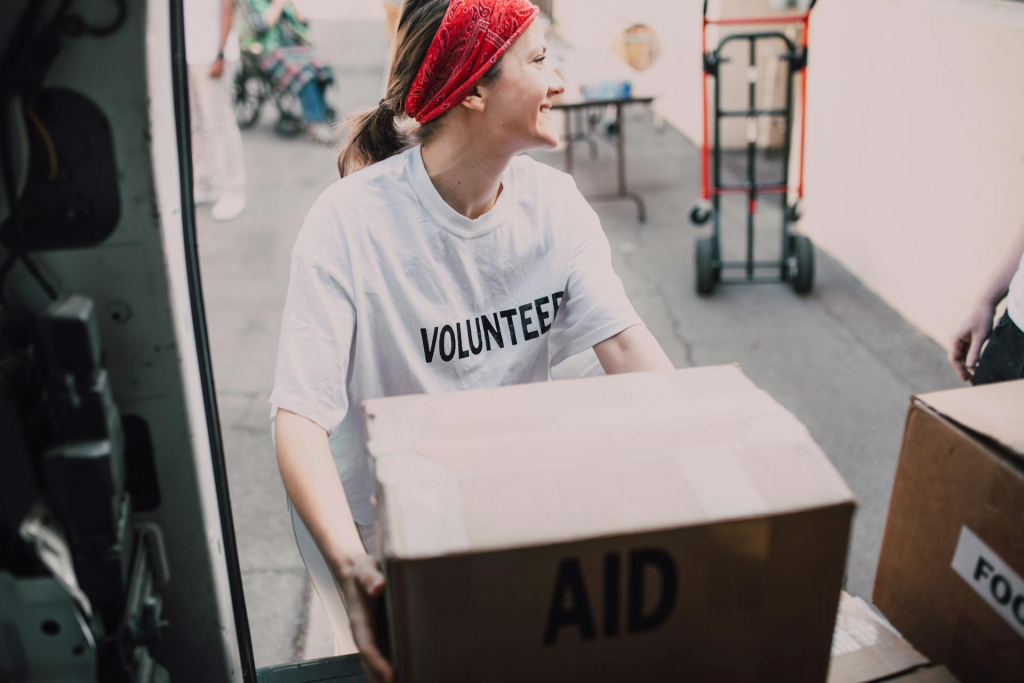
When it comes to community spirit and supporting one another, those with fewer financial means often draw on personal experience to feel deeper empathy. Having faced hardships themselves, they respond with greater sensitivity to others’ struggles.
For these individuals, community support goes beyond money; their actions can positively impact millions by offering emotional comfort and practical help to those in need. This strong sense of belonging is often strengthened through social networks.
Cultural and Psychological Insights
Wealthier groups tend to focus more on growing and protecting their assets, which can sometimes lead to a more isolated lifestyle. Psychological studies suggest that higher socioeconomic status can sometimes reduce empathy levels, as these individuals face fewer daily struggles.
On the other hand, communities with limited resources prioritize daily survival, encouraging them to watch out for each other, build close connections, and often practice mutual support. These group dynamics can strengthen community bonds and boost social cohesion over time.
The Future of Generosity
As social structures evolve, we have a chance to rethink generosity and the complex ways we support each other.
These thought-provoking findings invite us to reconsider how we can better support one another and reshape society’s stories around generosity.
Moving forward, it’s up to all of us to foster empathy and solidarity in ways that benefit individuals and communities alike. Together, we can create a world where gaps between rich and poor shrink, and social conversations open doors to equal opportunities for everyone.