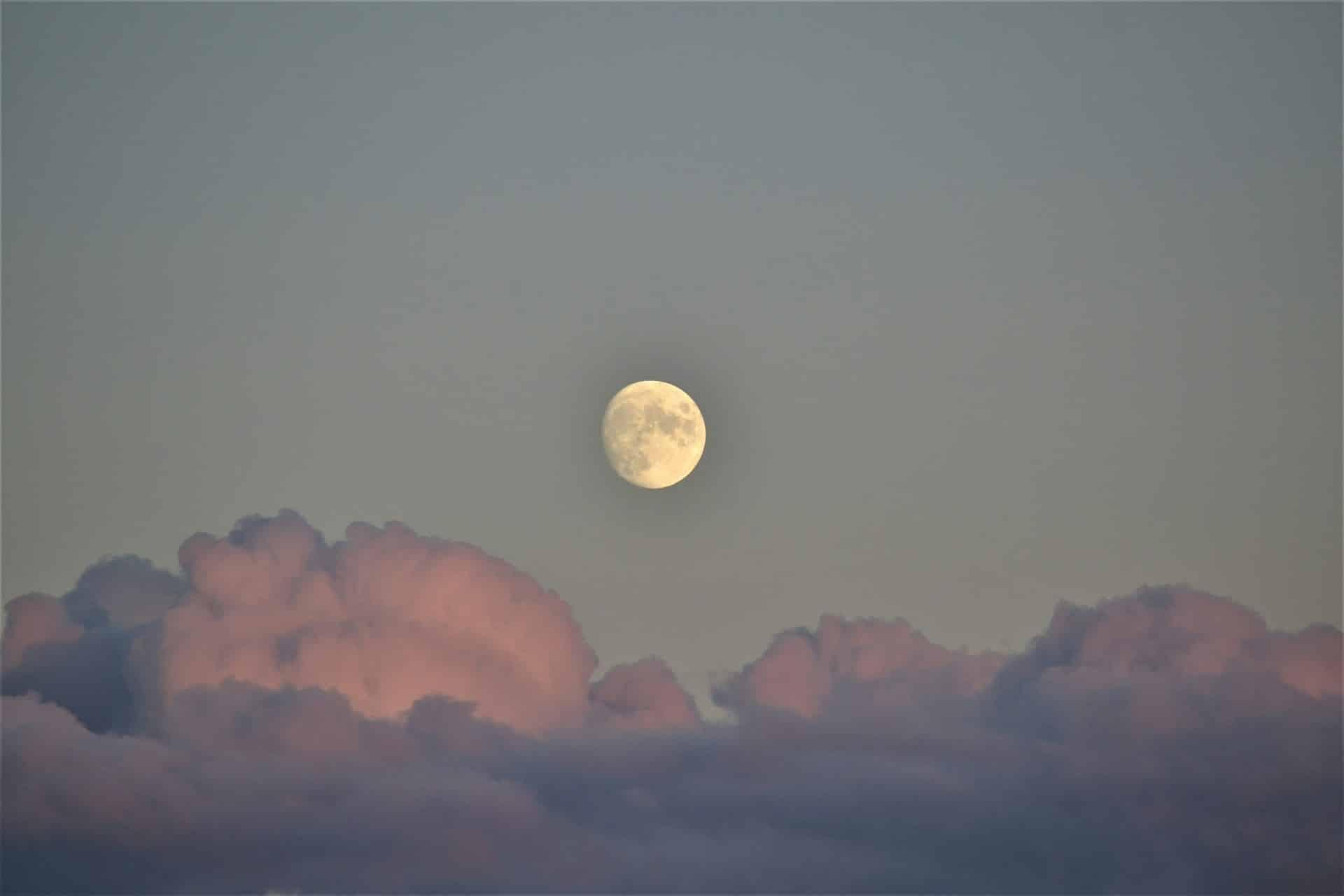
Throughout human history, myths and superstitions have followed the Moon’s phases. The Full Moon plays a special role in these stories, shining brightly across cultures with a significance that crosses borders. During the Full Moon, you’ll encounter many beliefs shaped over centuries of folk memory. These superstitions often stem from nature’s rhythms—and sometimes, a bit of truth.
How the Full Moon Affects Sleep
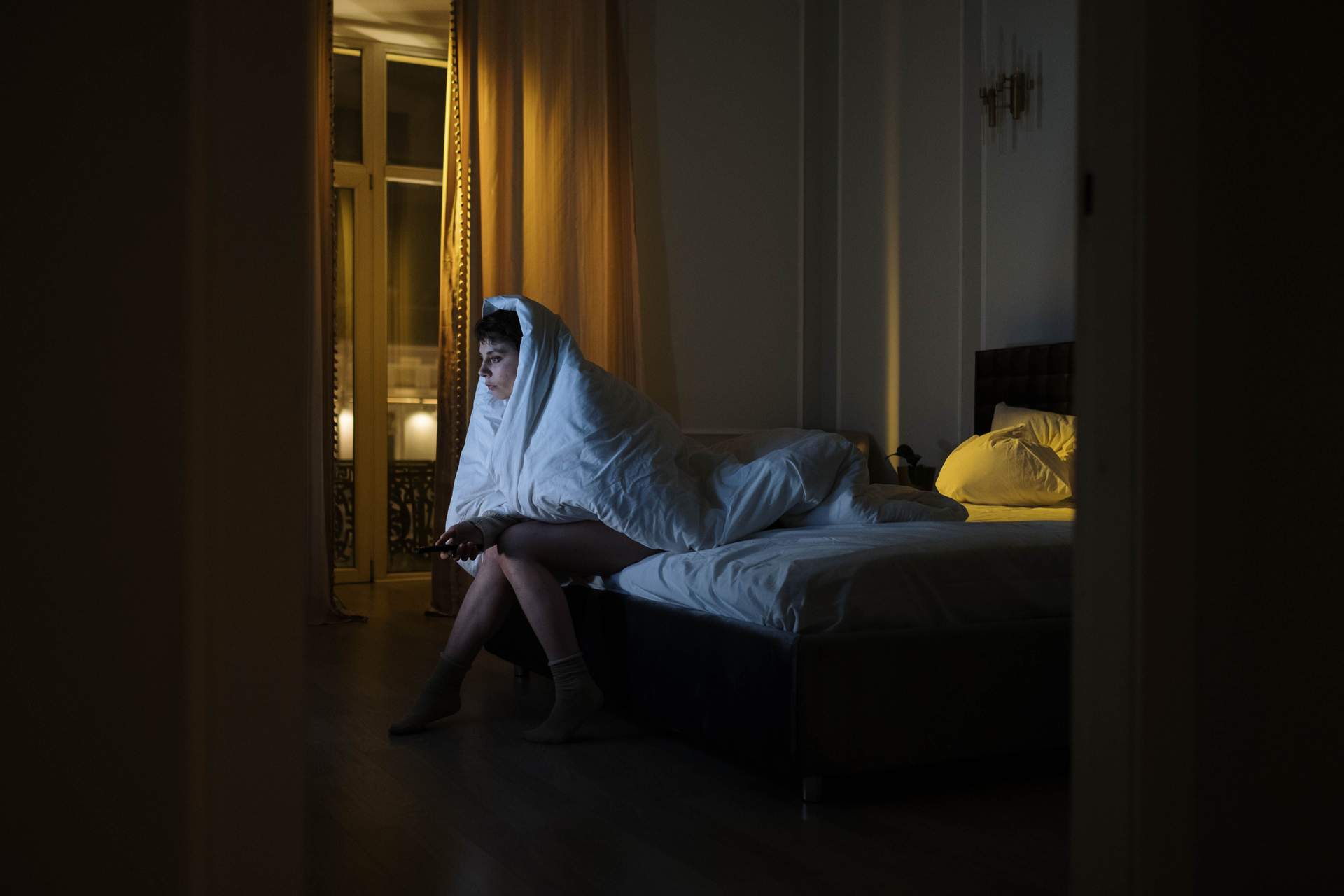
The glowing night sky of a Full Moon enchants many, but not everyone welcomes this natural spectacle. Many people report restless nights or insomnia during the Full Moon. Science has explored this, and some studies do suggest the Full Moon can impact sleep quality. The brighter night may stimulate our senses, making it harder to reach deep sleep phases.
Those struggling with sleep issues often find Full Moon nights especially challenging, though the exact reasons remain under study. Besides the stronger moonlight, psychological effects might play a role—people often internalize local or shared superstitions, which can influence their sleep patterns.
The Full Moon and Our Emotional World
The Full Moon doesn’t just affect sleep; it can also influence our emotions. Many recognize feeling more emotionally intense during this time. Astrology connects the Full Moon with heightened inner conflicts and mixed feelings. When the night sky floods with light, people often experience stronger intuition and increased self-awareness.
While emotional outbursts during the Full Moon aren’t scientifically proven, many believe this phase encourages inner exploration and spiritual growth. Those attuned to the Moon’s cycle often report deeper dreams and stronger emotional responses during this time.
The Full Moon and Natural Phenomena
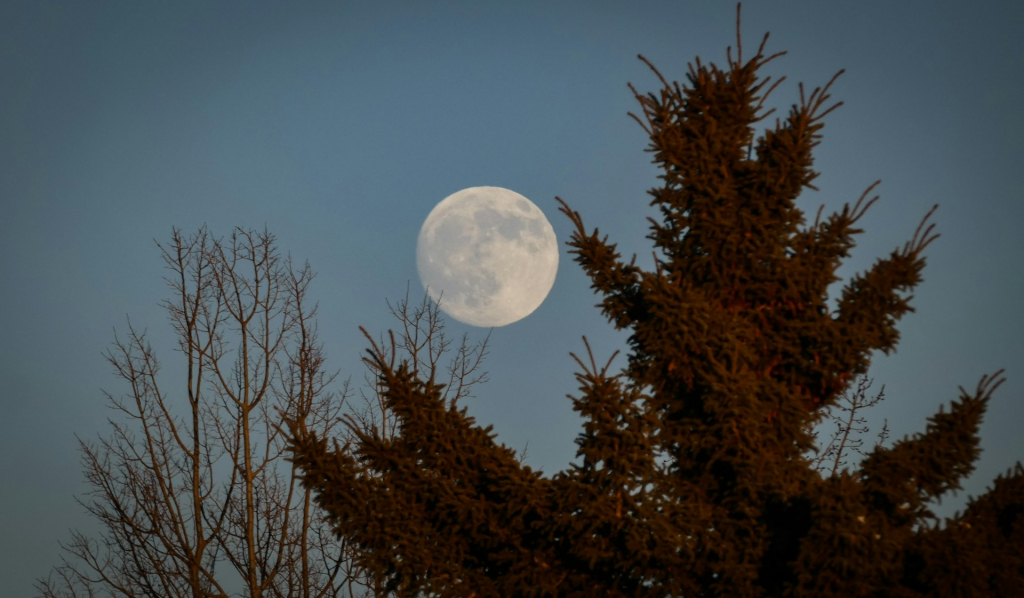
The Full Moon’s influence goes beyond people’s daily lives and superstitions—it’s deeply connected to natural phenomena. Ocean tides are strongly linked to the Moon’s gravity, with scientifically supported effects. During Full and New Moons, tides are especially pronounced, a fact that has fascinated humans for ages.
In agriculture, especially farming, many believe that planting or harvesting according to the Moon’s phases can boost success. While these ideas often fall under folk wisdom, practical results sometimes support their validity.
Strange Events During the Full Moon
The Full Moon’s mystical glow has inspired old tales and legends, with many superstitions claiming more unusual events happen at this time. For centuries, people have noticed that strange and unexplained occurrences seem more common during the Full Moon. While most are likely coincidences, these stories still spark the imagination.
It’s not just stories that keep these beliefs alive—community experiences play a big part. Gatherings and observations on Full Moon nights strengthen these shared feelings. Folklore across cultures can amplify fears and beliefs, fueled by the Full Moon’s enchanting beauty.
Facts and Superstitions Around the Full Moon
Ultimately, the Full Moon’s role in human culture offers endless fascination. The superstitions tied to it blend real experiences with imagination. As people continue to observe the Moon’s cycles and the Full Moon’s stunning presence, these beliefs hold a special place in folk culture.
Despite modern science working to debunk many myths, the Full Moon’s allure remains strong. Many seek answers in its mystical light—whether emotional, physical, or spiritual.