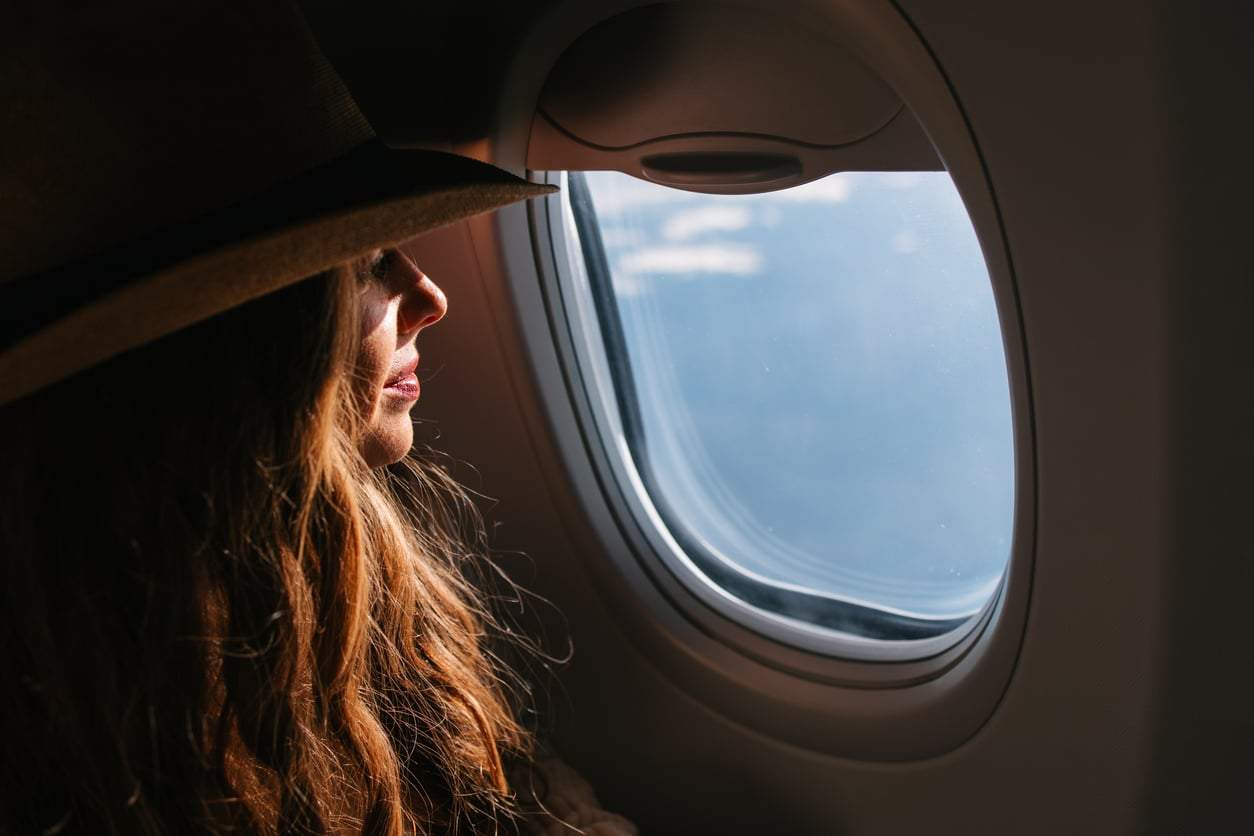
You might notice this curious effect if you sip tomato juice on a plane—want to give it a try?
If you’ve ever flown, you’ve probably noticed that food and drinks taste different onboard than on the ground. Reader’s Digest recently highlighted tomato juice as one of the most surprising examples—many who wouldn’t touch it on a normal day absolutely love it in the air. But why does this often overlooked drink become so popular at 30,000 feet?
A Strange Flight Habit Backed by Science
Decades of research and countless passenger experiences confirm: tomato juice really does taste better in the air. Airlines keep it stocked for a reason, and surprisingly, some flights serve as much tomato juice as beer. But what’s behind this phenomenon? It’s not just about taste preferences—there’s solid science explaining it.
Our Senses Work Differently on a Plane
Dr. Bryan Quoc Le, a food scientist and author of 150 Food Science Questions Answered, explains that taste perception changes significantly during flight. The main culprits are the combination of noise, pressure changes, and dry air—all of which affect our senses.
1. Sound Effects: The Brain and Taste Buds Get Confused
The cabin noise on planes—averaging 80-85 decibels—not only affects our ears but also our taste. Psychophysics shows that when the brain is bombarded with sound, it dulls some flavors while amplifying others. Salty and sweet tastes fade, but umami—the savory "fifth taste"—surprisingly becomes more intense.
2. Neural Cross-Reactions
The chorda tympani nerve, running near the eardrum to the tongue, plays a key role in taste. Noise and pressure changes during flight can disrupt this nerve’s signals, altering taste perception and making tomato juice taste better.
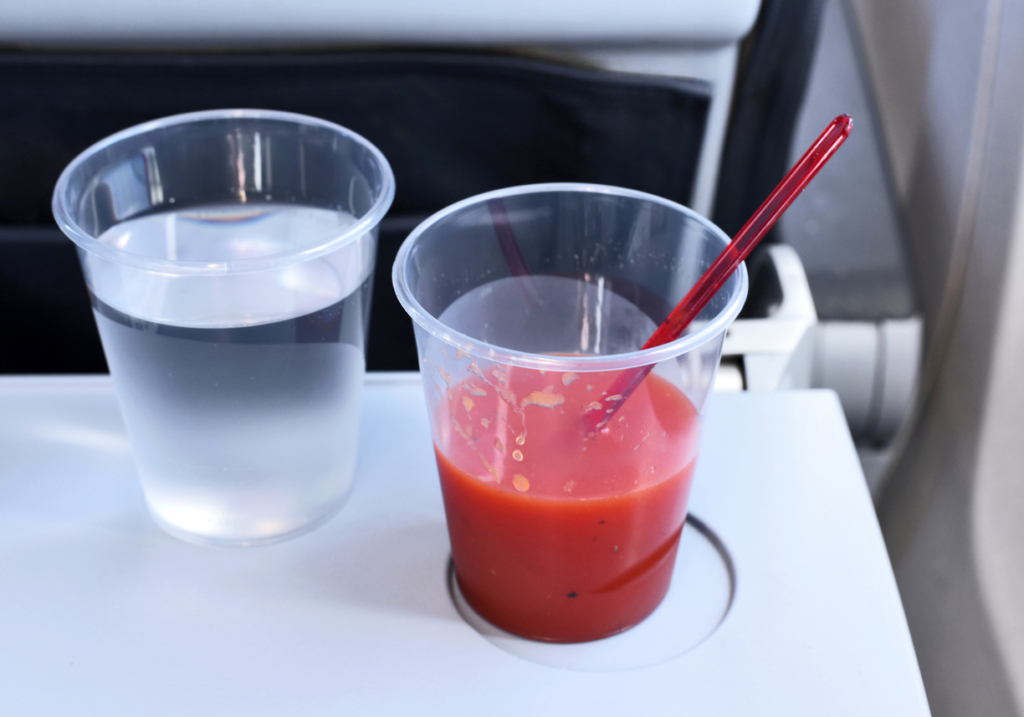
3. Umami: The Tomato’s Secret Weapon
Tomatoes—especially tomato juice—are rich in glutamic acid, a key carrier of umami flavor. This savory taste stands out even when other flavors fade. That’s why tomato juice tastes suddenly richer, more flavorful, and downright better on a plane.
Cabin Air and Pressure Also Play a Role
Plane cabins are very dry—often below 15% humidity. This dries out the nasal passages, which impacts both smell and taste. Since much of what we taste comes from smell, dry air dulls flavors except for umami, which remains strong.
Plus, cabin pressure is lower than on the ground, roughly like being 8,000 feet (2,400 meters) up. This pressure change affects balance and hearing organs, indirectly tweaking taste perception again.
The Environment Matters
Flight mood, lighting, stress, and excitement all shape how we experience flavors. Some airlines even adjust menus to suit the "in-flight environment," like adding more salt because taste buds are less sensitive to saltiness onboard.
A Healthier Choice Onboard?
Tomato juice isn’t just tastier in the air—it also offers health perks, especially if you skip the Bloody Mary version. It’s packed with vitamin C, potassium, and antioxidants like lycopene that help keep you hydrated and support circulation—great for long flights.
That said, tomato juice can be high in sodium, so if you’re salt-sensitive or have blood pressure concerns, enjoy it in moderation.
Why Tomato Juice, and Only on a Plane?
Many passengers crave tomato juice only while flying, a fact even seasoned flight attendants confirm. On some flights, it’s the second most ordered drink after water or beer. People often ask if airlines serve a special brand, but usually it’s the same product you can buy at home.
This unique craving isn’t a quirky fad—it’s a natural, scientifically backed response to the flying environment.
What About Other Drinks?
Besides tomato juice, a few other drinks also taste better in the air:
- Ginger ale – mildly spicy and soothing, great for sensitive stomachs.
- Soda water or sparkling mineral water – bubbles stimulate taste buds.
- Green tea – light and gentle, perfect for longer trips.
You’re Not Weird—Tomato Juice Is
Next time you fly and suddenly crave a glass of tomato juice, don’t worry—you’re not alone or "weird." Your body is simply responding to the unique environment of flying.