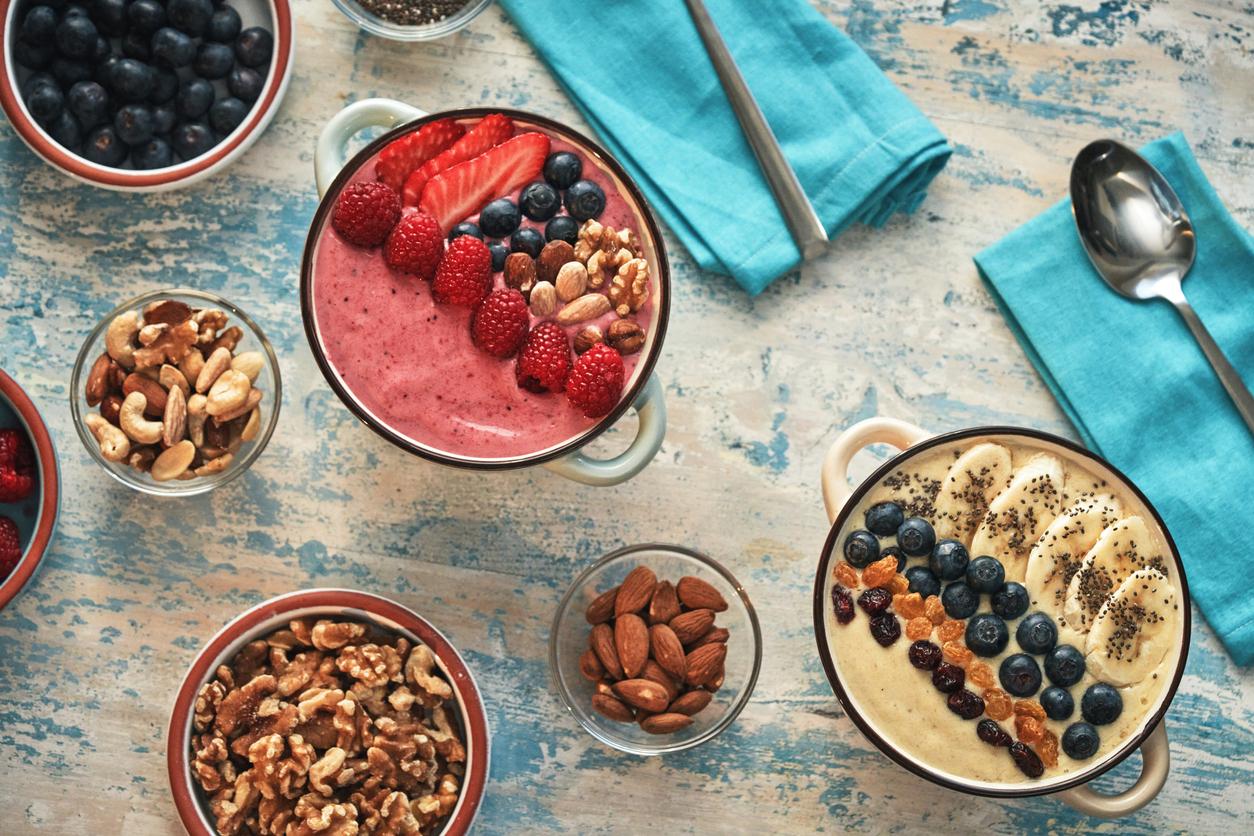
February is a special month. Winter has been with us for a while, holiday lights have mostly disappeared, yet the cold, gray mornings and cozy evenings still shape our days. During this time, many of us notice that we reach for sweets more often—as if a slice of cake, a hot chocolate, or a whipped cream-topped coffee helps us get through the last chilly weeks.
In the winter months, it’s common for many of us to have more sugary treats on the table. Think leftover holiday candies, gifted sweets, or warming drinks. While these can fit into a balanced diet in moderation, by February, the effects of overindulgence often show up as fatigue, fluctuating energy, and heavy evenings.
I’m More of a “Savory” Person—Yet Sweets Slipped In
I’ve always preferred savory snacks and meals, but during the cold months, I often found myself overdoing it. On long winter evenings, a slice of cake, a winter ice cream, or an extra whipped cream hot chocolate would sneak in—often late at night when my body really needed rest, not snacking.
In my early twenties, I discovered I’m sensitive to gluten and dairy, which brought a new level of awareness to my life. I had to learn to pay close attention to what I eat and drink. Plus, my grandmother has diabetes, so in our family, sugar-free desserts and blood sugar-friendly options have long been the norm. These experiences all helped me approach sweets with even more mindfulness this winter—especially as February rolled in.

A Conscious Choice for Winter’s End Balance
As the winter weeks passed, I felt more and more that I needed to make a change. It was common for me to eat or snack late at night, and I knew I wanted to break that habit.
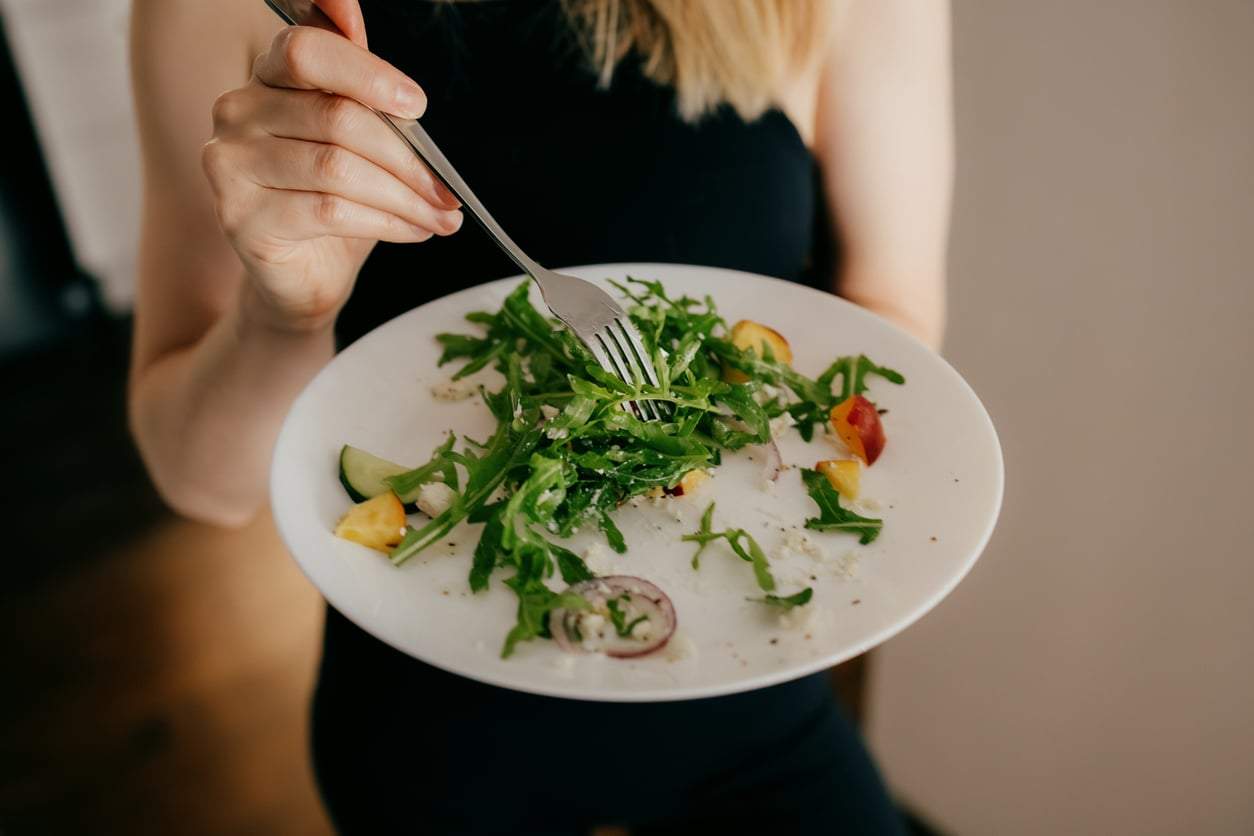
The solution wasn’t drastic restriction but consistency. I always make time for breakfast soon after waking, a nourishing lunch, and a light dinner, with dinner at least two hours before bedtime. This rhythm proved especially helpful after the holiday season, starting in the second half of winter.
What I Eat During the Day to Avoid Sweet Cravings
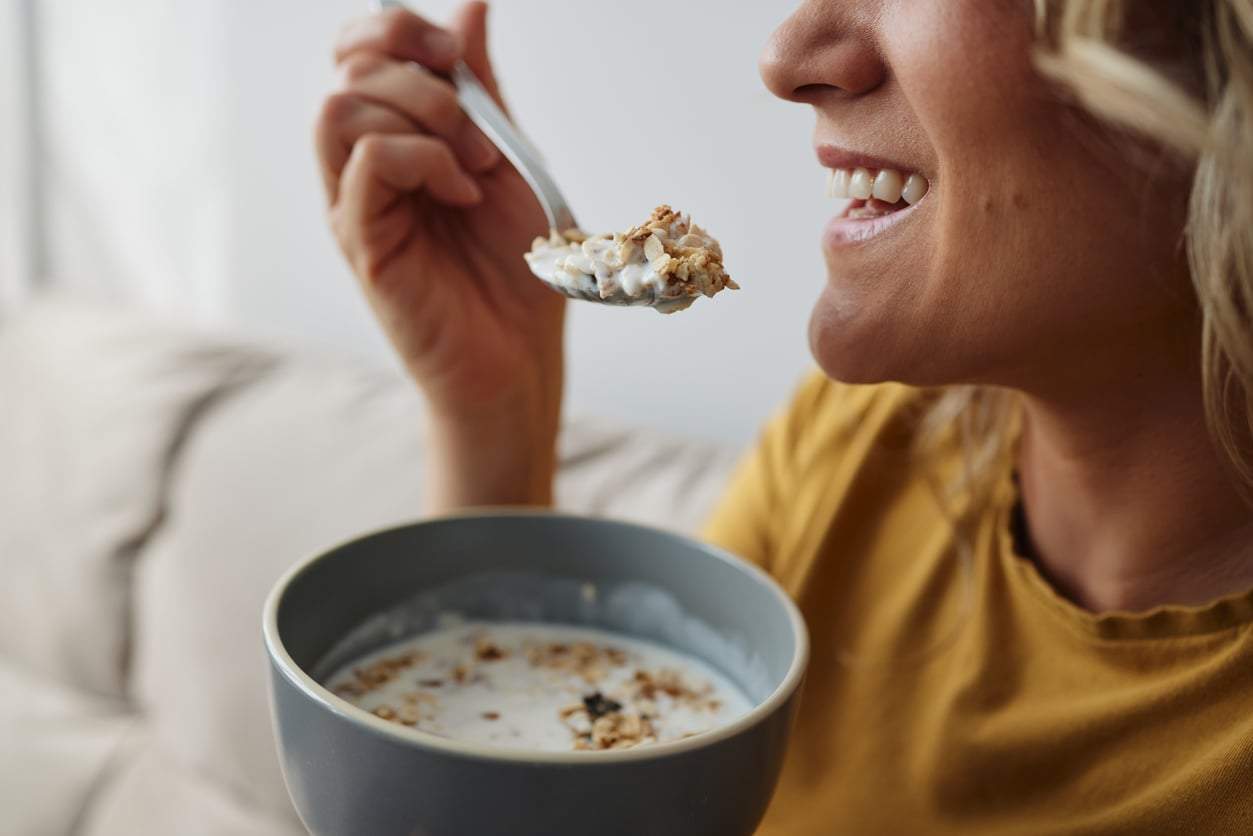
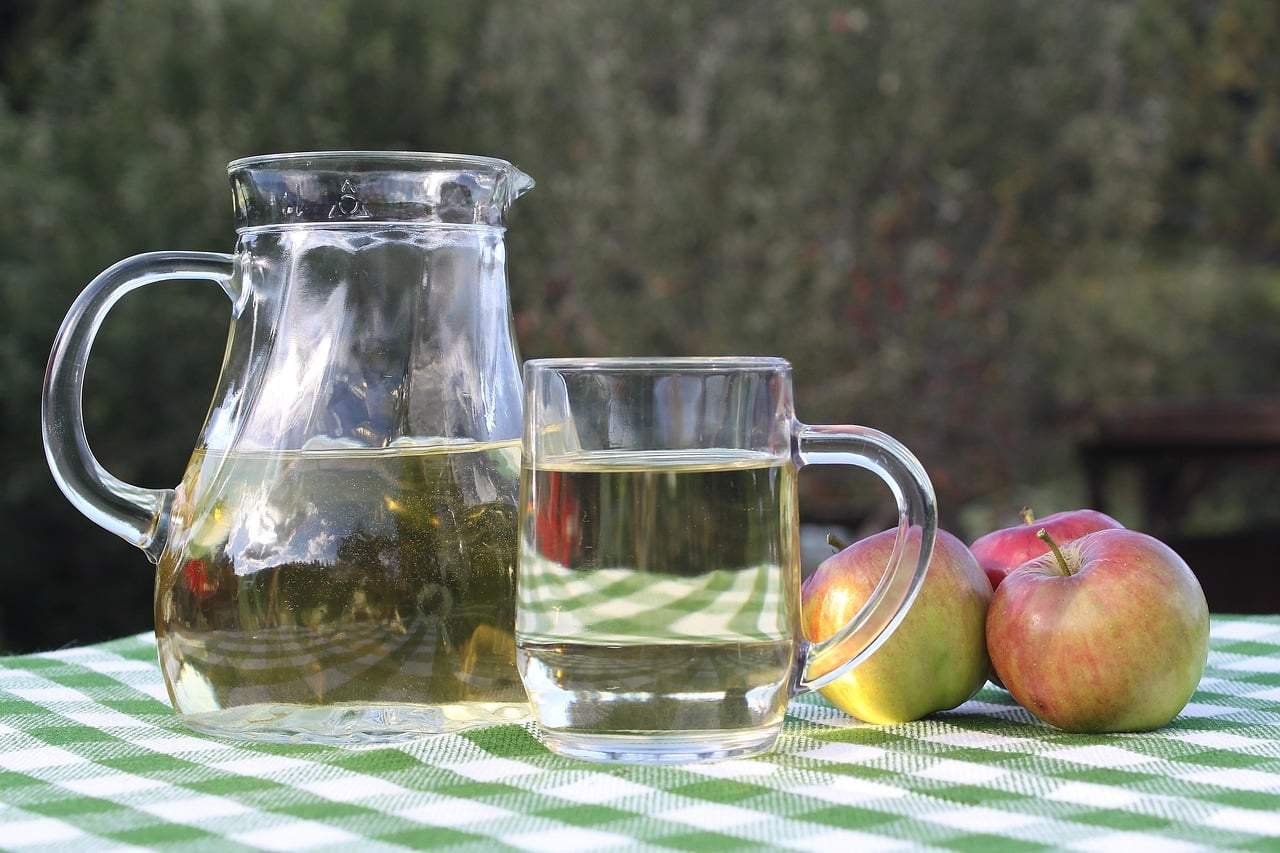
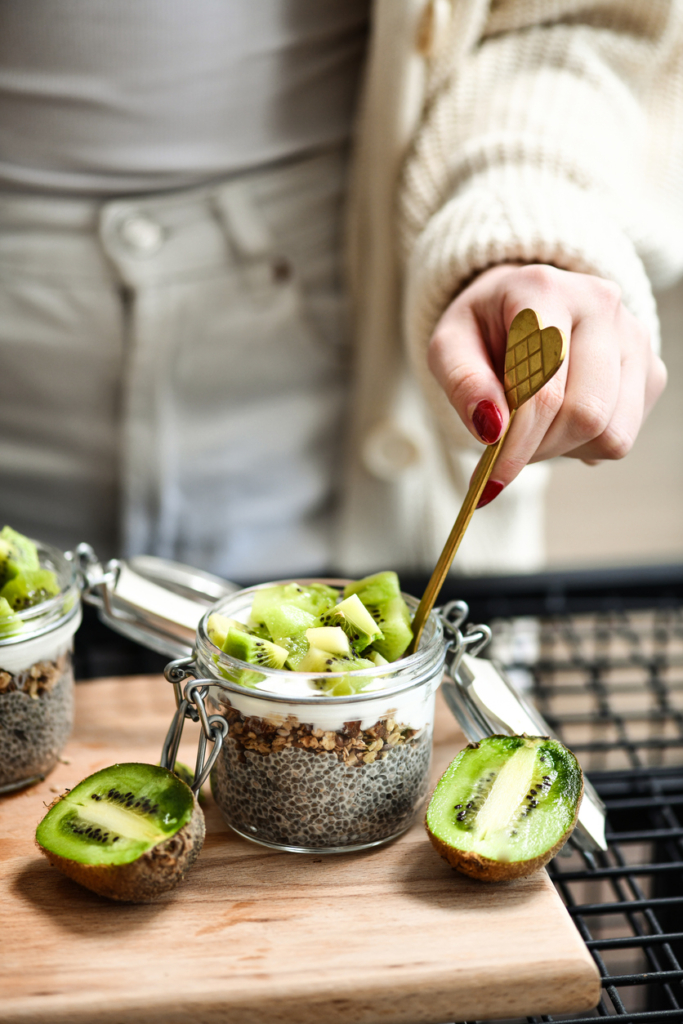
When I get hungry during the day, I often have fruit for a mid-morning snack—like a few apple slices with some nuts. For afternoon snack, I love a plant-based fruit yogurt without added sugar, topped with a little granola, berries, and seeds. I also eat a high-quality fiber bar daily, always followed by plenty of water.
With these small, mindful choices, I’ve practically and effortlessly left sugary snacks behind by February.
Winter Drinks in February—With a Twist
My drink choices made a big difference too. I mainly drink water and plain teas, but allow myself a coffee almost every day with almond, coconut, or rice milk. My absolute favorite is matcha latte, especially comforting at winter’s end—always without added sugar. This way, I keep the warming experience without overloading my body.
Desserts: Saying Goodbye to Sugar, Not to Enjoyment
It’s important to me that I haven’t given up desserts entirely. I still enjoy sweets in February, just in a different way. I buy or make at home—sometimes me, sometimes my mom—desserts without added sugar.
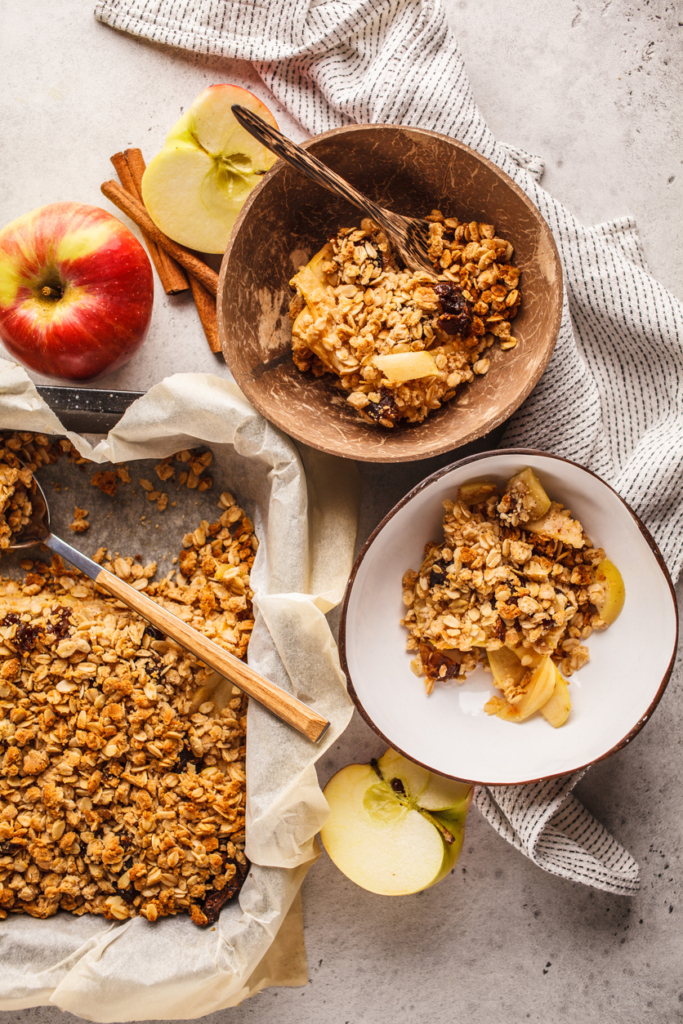
Natural sweeteners like date powder, apple, or pear puree can create heavenly treats that fit perfectly into a gentle late-winter diet.
February Lessons—Getting Ready for Spring
Giving up sugary snacks during the cold months wasn’t about sacrifice for me—it was a reset. By February, I feel more energized, it’s easier to listen to my body’s signals, and my meals have become more balanced.
If you’re thinking about making even a few small changes, I believe the end of winter and the transition to spring is a great time to start. But really, any day of the year is worth giving your health a little extra love. This choice has given me a lot, and I believe it can help others start the year with more ease and awareness.