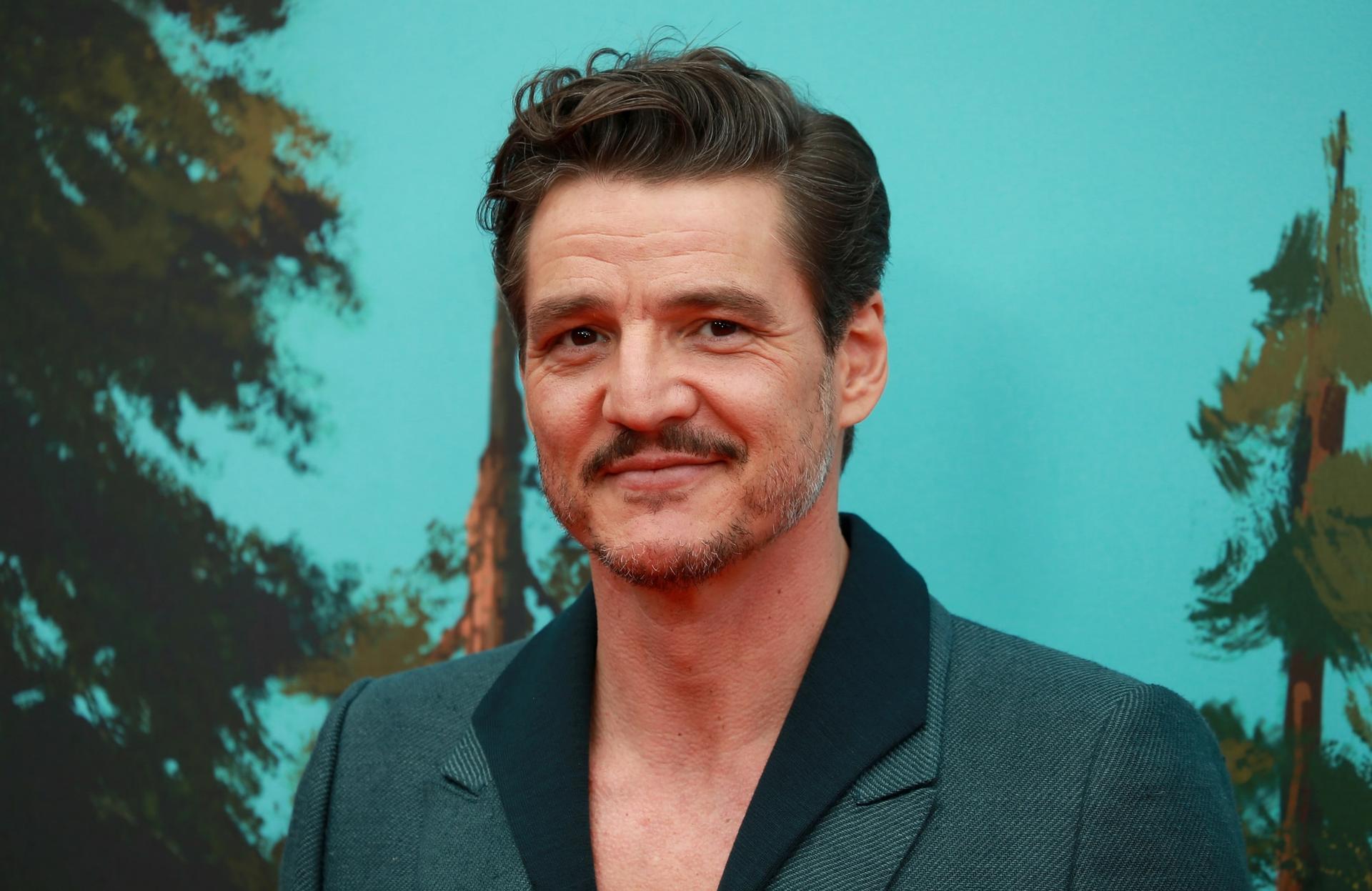
Before anyone doubts, let me be clear: this is not an anti-Pedro Pascal article. Quite the opposite—I’m just as much a fan of the amazing Pedro Pascal as anyone else. I deeply appreciate his public stands, especially his brave and consistent support for LGBTQ communities. It’s heartwarming how he defends his trans sister and responds to social issues with such sensitivity. And let’s not even get started on how sexy his humor and confidence are when he challenges traditional masculine roles with his fashion choices.
This article is more about the phenomenon he’s currently at the center of. Because what the public has built around Pascal—and what he likely hasn’t intentionally shaped—is unsustainable.
Idealizing Celebrities Isn’t New
But in the internet age, where every piece of content has viral potential, these idealized images form faster and more extremely than ever. A great interview, a witty TikTok video, a compassionate comment on Twitter—and voilà, a new "internet dad" is born, someone we believe never makes mistakes, always does good, and almost becomes a moral role model. This two-dimensional image, as pleasant as it is to look at, will eventually collapse.
I’m not worried that Pedro Pascal will turn out to be a heartless predator—he wouldn’t be the first star with such revelations, but unlike common belief, these things usually have warning signs, and so far, there’s no sign of that with Pedro Pascal.
The real issue is that audiences tend to forget: what we see is a character. Not just on screen, but on the red carpet, talk shows, and Instagram—these are roles, even if they feel closer to the "real person."
But what we see in public is always edited, contextualized, sometimes manipulated content crafted by a whole team.
This isn’t hypocrisy; it’s how the celebrity world works. Add to that the fact that we see so much about celebrities that we feel like we know them, even though we’re only encountering a tiny slice of their personality. From that, we invent a person who doesn’t really exist. And when that falls apart, we’re the ones who get offended.
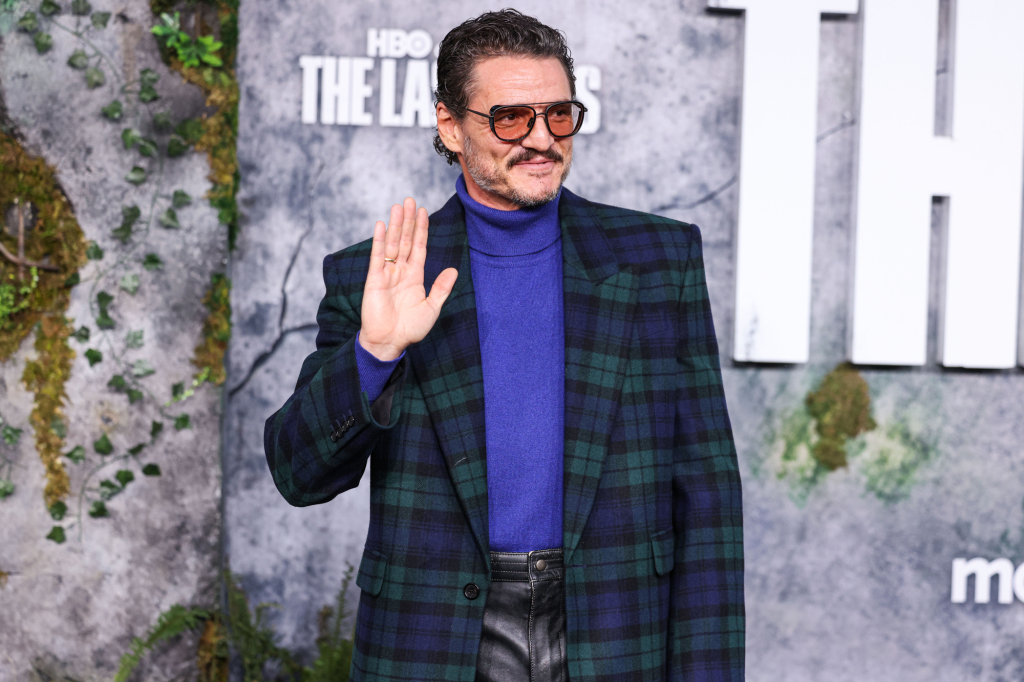
The Higher You Rise, The Harder You Fall
The higher we lift someone’s image, the more painful it is when something “awful” about them comes out. By awful, I mean any small thing that doesn’t fit our idealized picture. It could be a poorly chosen sentence from an old interview, an awkward joke on set, or just plain human imperfection. Things we’d forgive in our best friend but not in a celebrity, because we saw them as role models, not friends.
Pedro Pascal’s popularity is at a stage where it’s less about what he’s done or said—and more about what people project onto him, the phenomenon built around him. But how long can this last for any star?
When will the internet move on from its current favorite genre if it turns out someone was grumpy to a barista on a sleepy Tuesday morning or once parked illegally, and start searching for a new star to pin the flawless image on?
Maybe it’s time we start seeing these people differently—those who truly deserve recognition for their work and community efforts. Not as role models or moral compasses, but as real, flesh-and-blood humans who try their best, can make mistakes, and are no less valuable for it. If we learn this, maybe we won’t need “something awful” to come out about someone just to realize: they’re human too. Just like us.