Opinion: Borka Schuster
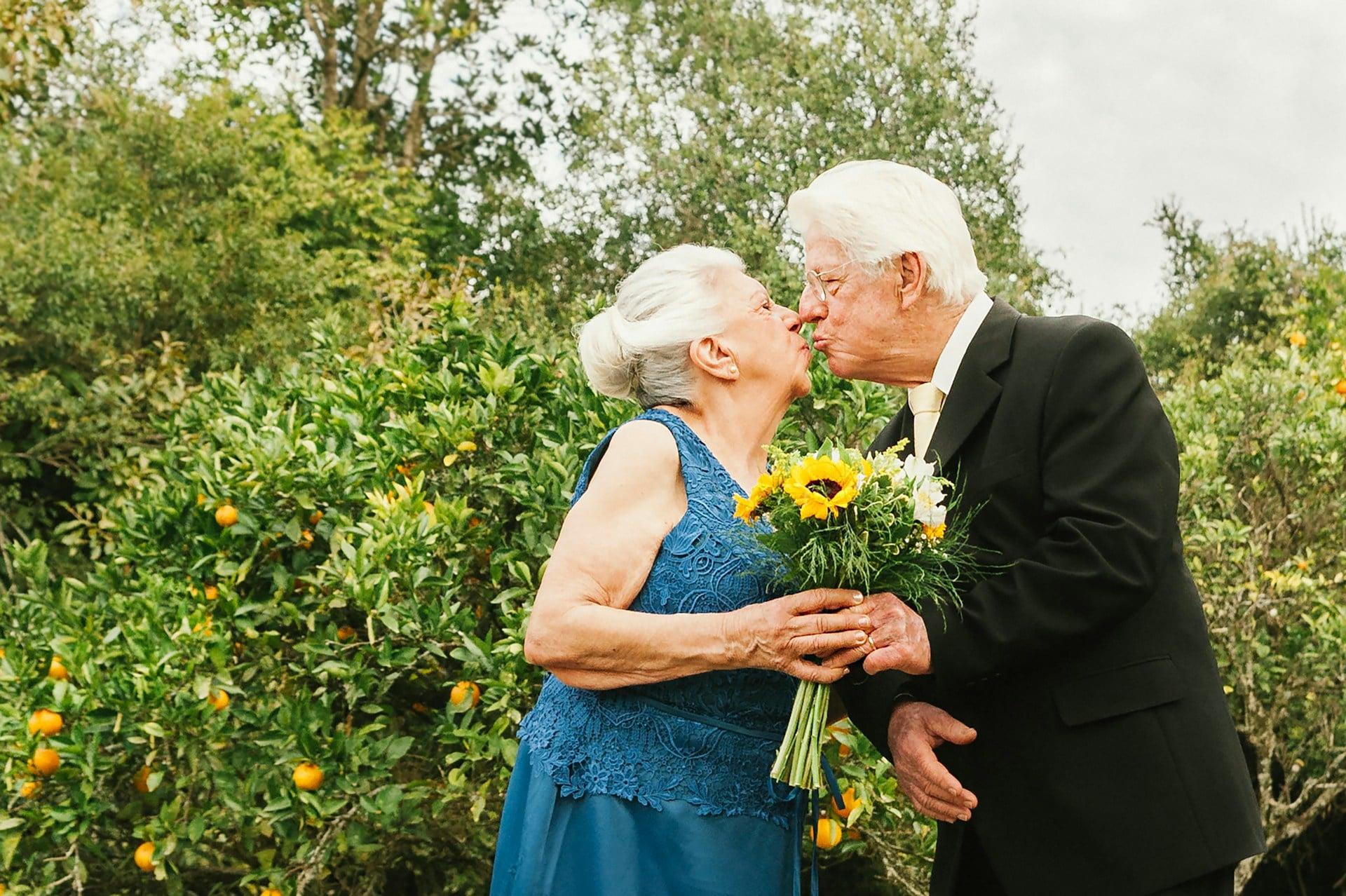
We all know at least one of these stories. The grandparents who've been married for seventy years. The elderly couple holding hands on a park bench. The pair who survived war, poverty, illness and family tragedy, and are somehow still together.
We love these stories. We turn them into films, write articles about them, and get misty-eyed when they show up in our social feeds. And honestly, I understand why. There's something deeply comforting about the idea that two people stood by each other for that long.
But like so many things, I think we've oversimplified this one. We spend too much time asking how many years a relationship lasted, and far too little asking what it was actually like along the way.
A long marriage isn't automatic proof of a good one
I know this isn't a popular opinion. In our culture, we still tend to treat years spent together like a relationship trophy. The bigger the number, the greater the applause. Thirty years? Lovely. Fifty years? Incredible. Seventy years? Almost legendary.
The trouble is that the number alone doesn't tell us much. It doesn't tell us whether the two people respected each other. Whether they could talk. Whether they laughed together. Whether they were happy. Whether they supported one another, or simply learned to exist side by side.
Maybe I think this because, over the years, I've seen so many couples who've been together for decades yet live like near-strangers. No big fights, but no real connection either. They move in separate worlds, with separate interests and separate lives, they just happen to come home to the same address.
And in those moments I always wonder: is that really the ideal?
Staying together for a long time and having a good relationship are not the same thing
We also tend to forget that older generations often didn't have the options we have today. Walking away from a bad marriage was far harder financially, socially and, very often, emotionally too.
Not every fifty-year marriage survived because the two people chose each other every single day. Some survived simply because there was no other way out.
This takes nothing away from the couples who truly lived in love and mutual respect for decades. It's just a reminder that the number of years, on its own, says nothing about the quality of the story.
The other thing that has always struck me as strange is how much we romanticize the idea that someone finds the love of their life at twenty and, from that point on, everything falls neatly into place.
Because if we're honest, there's an enormous amount of luck in that. Who we fall for, when we meet them, what stage of life we're in, how much we change over the years, so many of these things simply can't be planned.
Some people find the person they'll be happy with for life at twenty-two. Others find them at forty-five. And some go through several meaningful relationships over a lifetime, all of them valuable, even the ones that eventually ended.
Yet we still tend to talk about these stories as if length were the only measure that counted. As if a loving relationship that lasted twenty years were somehow worth less than a miserable marriage that lasted fifty.
I think we should be looking at it the other way around
The value of a relationship isn't defined by how many years it lasted, but by what it gave the people who lived inside it. More love? More security? More joy? More self-understanding? More support?
These are far more important questions than the number of anniversaries.
Long marriages undeniably have their own beauty. It's moving to see two people carrying an entire lifetime of history together. But I think we get closer to the truth when we celebrate not the time itself, but what the people in the relationship built during that time. And that, like it or not, is a much harder thing to answer.
Does a long marriage always mean a happy one?
Not necessarily. As the article points out, the number of years says nothing on its own about whether the two people respected each other, connected, or were truly happy.
Why did older generations stay together longer?
Partly because they often didn't have the same options we do. Leaving a bad marriage used to be far harder financially, socially and emotionally, so some marriages survived out of necessity rather than choice.
What actually makes a relationship valuable?
According to the article, it's what the relationship gives the people in it, more love, security, joy, self-understanding and support, rather than how many years it has lasted.
Is a shorter relationship worth less than a long one?
No. A loving twenty-year relationship isn't worth less than an unhappy fifty-year marriage. Several meaningful relationships over a lifetime can all be valuable, even the ones that end.