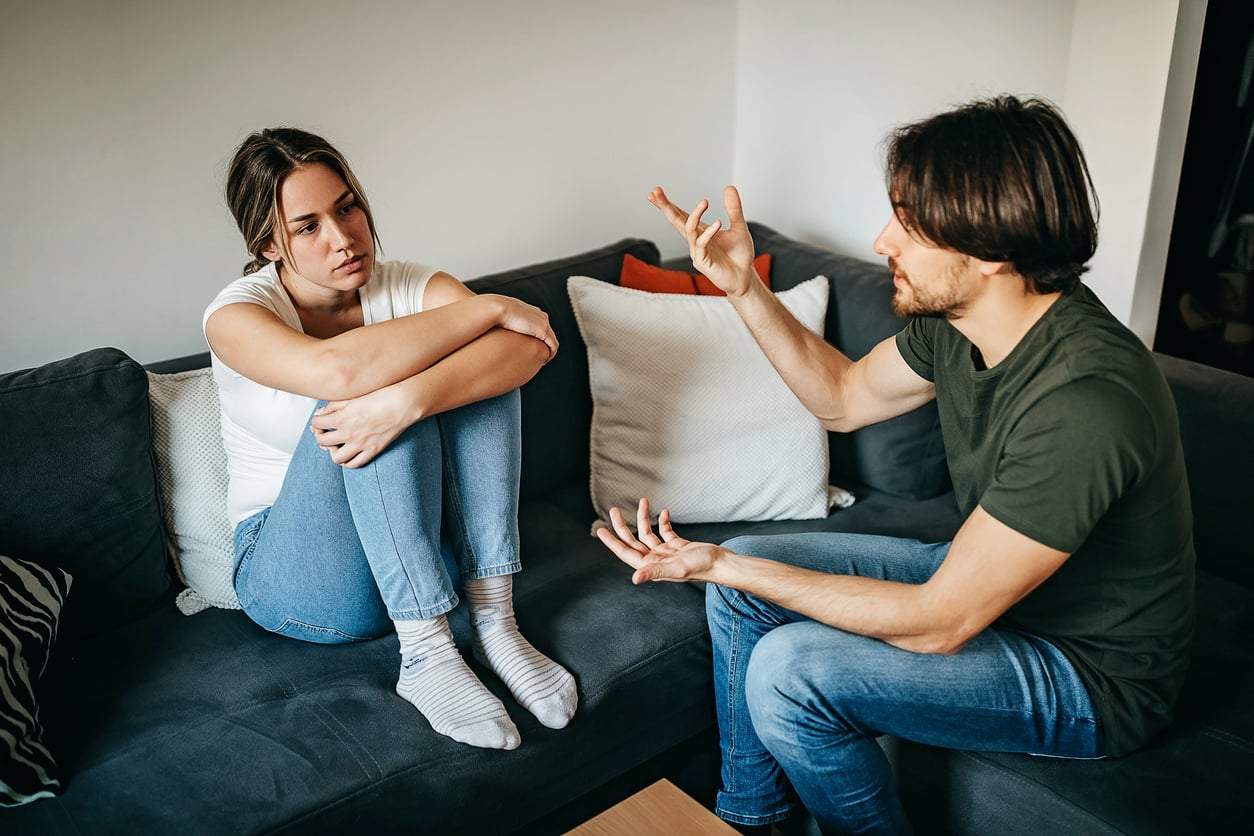
Not every fight in a marriage is loud. Some of the most damaging conflicts never get spoken out loud at all — they simmer quietly beneath the surface, slowly eroding the connection between two people. If you've ever noticed your partner pulling away without explanation, or caught yourself giving cold, clipped answers instead of honest ones, you may already know what silent rage looks like from the inside.
What is silent rage?
Silent rage is anger that never gets expressed directly. Instead of being spoken, it gets buried — and it tends to resurface as passive-aggressive behavior: sarcastic comments, deliberate emotional withdrawal, avoided conversations, or a general atmosphere of tension that neither partner quite names out loud.
Unspoken resentment doesn't disappear just because it isn't said. It lingers in the air between two people, quietly poisoning the relationship from within.
Over time, this pattern becomes normalized. Partners stop expecting honesty from each other and start reading between the lines instead — which almost always leads to misreading. What begins as a single unresolved argument can quietly grow into months of emotional distance.
How silent resentment damages intimacy
Intimacy — real intimacy — requires two things above all: trust and honesty. When one or both partners are sitting on unexpressed anger, both of those foundations start to crack.
The physical and emotional distance that follows isn't always dramatic. It often looks like going to bed without talking, choosing your phone over a conversation, or feeling vaguely relieved when your partner is busy elsewhere. These small withdrawals accumulate. And the longer they go unaddressed, the harder it becomes to find your way back to each other.
Every thought left unspoken, every hurt feeling swept under the rug, digs the gap between partners a little deeper. What started as avoidance eventually starts to feel like estrangement — and by then, many couples aren't sure how it happened.
How to break the cycle
The first step is simply recognizing what's happening. That means being honest with yourself: Are you expressing your frustrations openly, or are you letting them quietly accumulate? And is your partner showing signs of the same — withdrawal, passive remarks, emotional unavailability?
Awareness alone won't fix the problem, but it opens the door. Once you can name what's going on, you can start to address it directly rather than dancing around it indefinitely.
Communication is the only real solution here. Not the kind that happens mid-argument when emotions are running high — but calm, intentional conversation where both partners feel safe enough to say what they actually mean.
Four ways to rebuild open communication in your marriage
- Practice genuine empathy. Before reacting, try to understand your partner's perspective — not just your own. What might they be feeling that they haven't said?
- Reflect on your own emotions. Take time to identify what's actually driving your frustration or resentment. Often, what we're angry about on the surface isn't the real issue.
- Choose the right moment to talk. Avoid confrontations when either of you is already tense or exhausted. Wait until you're both calm, then sit down and talk with intention.
- Invest in trust. Show up for your partner consistently. Small acts of support and appreciation build the kind of trust that makes honest conversations feel safe rather than threatening.
A healthy marriage isn't one without conflict — it's one where conflict gets addressed rather than suppressed. Sweeping silent rage under the rug might keep the peace for a day, but it slowly dismantles everything underneath it. Open, honest communication isn't just good advice — it's the only path back to real closeness.