You've been eating well, but you still feel uncomfortably full and puffy. Sound familiar? Bloating isn't always about food. For many women, hormones are quietly running the show — and understanding that connection can change everything.
What is hormonal bloating?
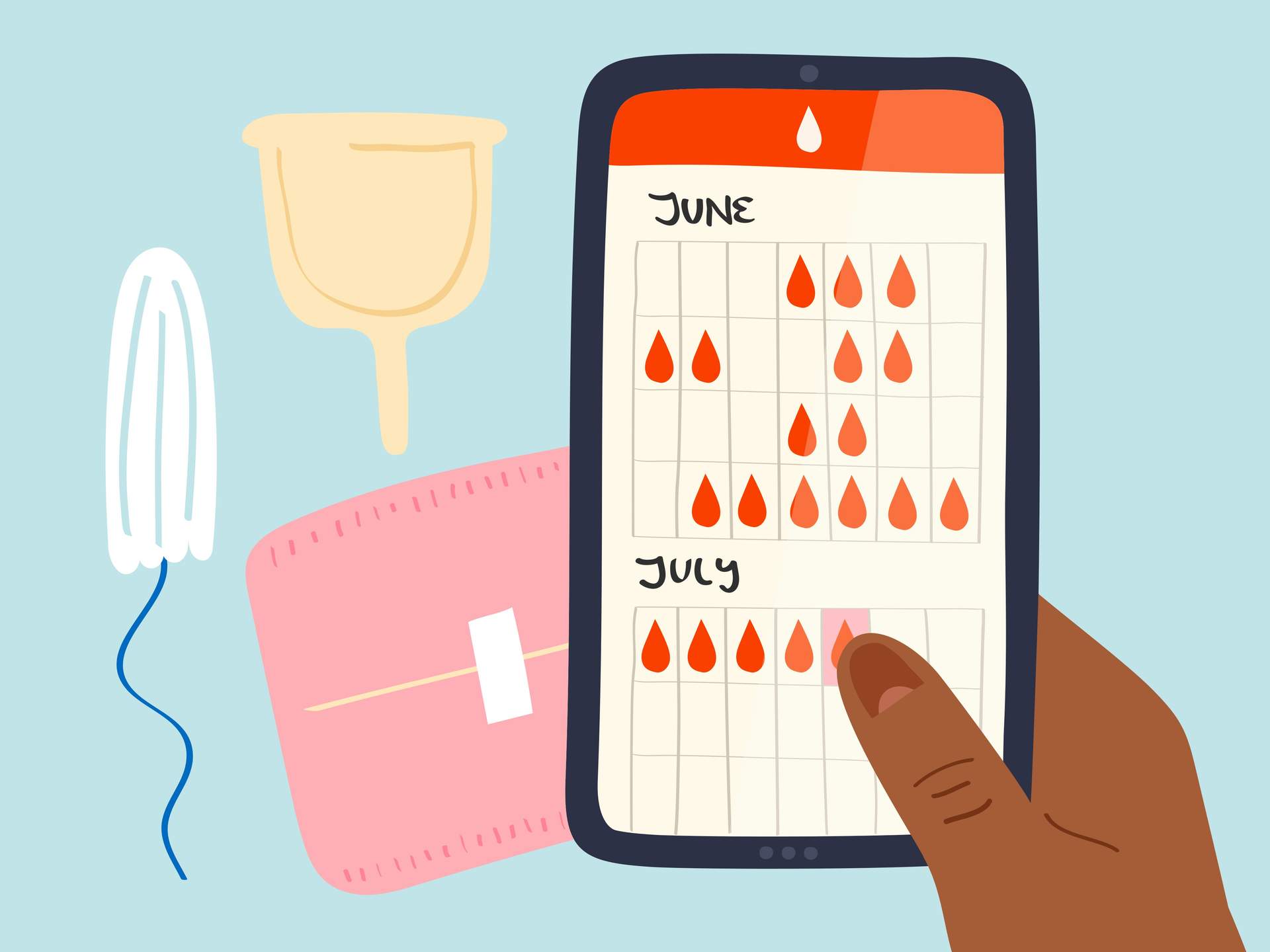
Throughout the menstrual cycle, estrogen and progesterone levels rise and fall in a carefully orchestrated rhythm. But those hormonal shifts don't just affect your mood or energy — they can directly impact your digestive system too.
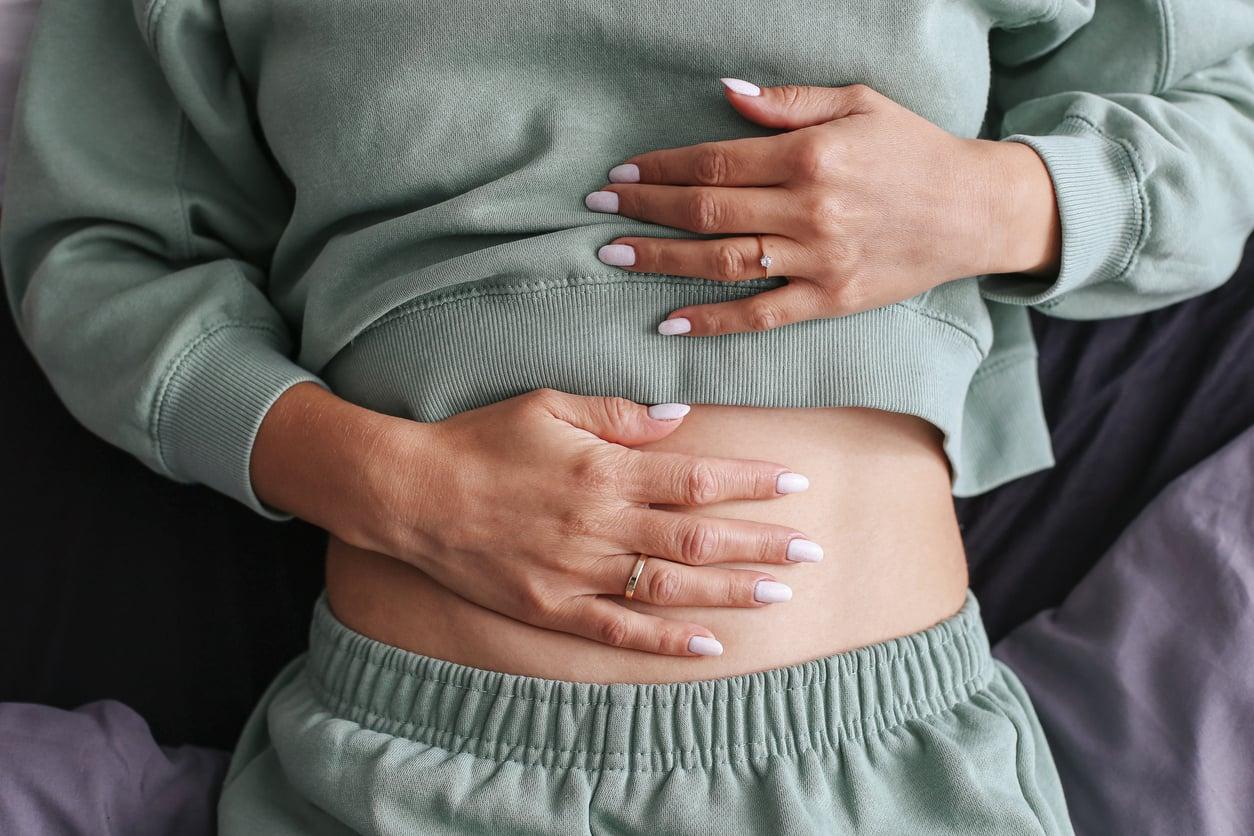
Hormonal bloating most commonly strikes in the days leading up to your period, during the luteal phase, when progesterone levels peak. According to medical research, progesterone can relax the muscles of the intestines, slowing digestion and allowing gas to build up — which leads to that all-too-familiar bloated feeling.
Progesterone relaxes intestinal muscles, which can slow digestion and cause gas to accumulate — making bloating worse in the days before your period.
How stress makes bloating worse
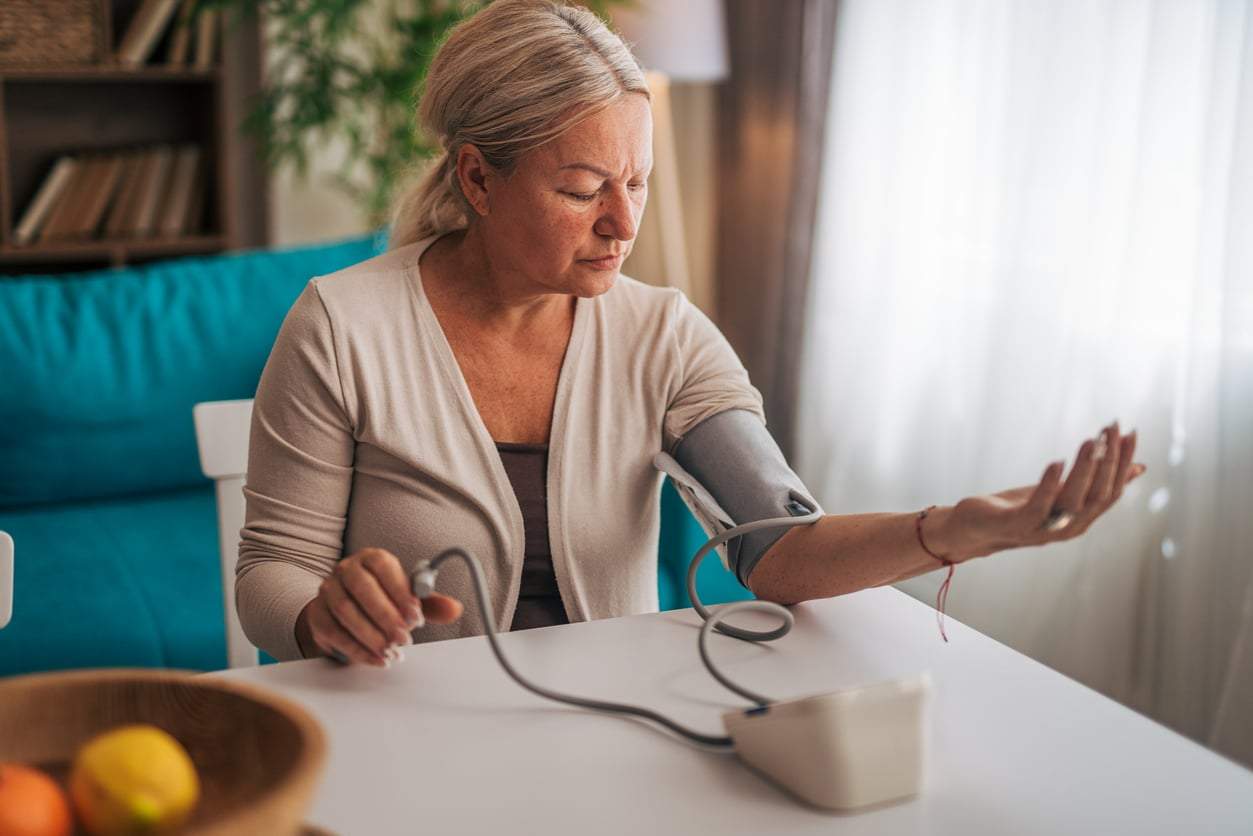
It's easy to overlook, but daily stress has a real, measurable effect on your gut. When you're under pressure, your body produces more cortisol — a stress hormone that has been linked to digestive disruption and bloating.
Research shows that chronic stress and poor sleep both reduce digestive efficiency, making bloating more frequent and more intense. If you're going through a stressful period and your stomach seems constantly unsettled, that's not a coincidence.
The role of diet in hormonal bloating
Hormones and stress set the stage, but what you eat can absolutely make things worse. Processed foods, high-sodium meals, and fizzy drinks are all known to amplify bloating — especially when your body is already hormonally primed for it.
Processed foods, salty snacks, and carbonated drinks can all contribute to that uncomfortable, heavy feeling — particularly in the second half of your cycle.
The good news? Adjusting your diet during the luteal phase can bring noticeable relief, not just for bloating but for your hormonal health overall. Focus on whole foods, reduce salt intake, and limit carbonated drinks in the week before your period.
Why hydration matters more than you think
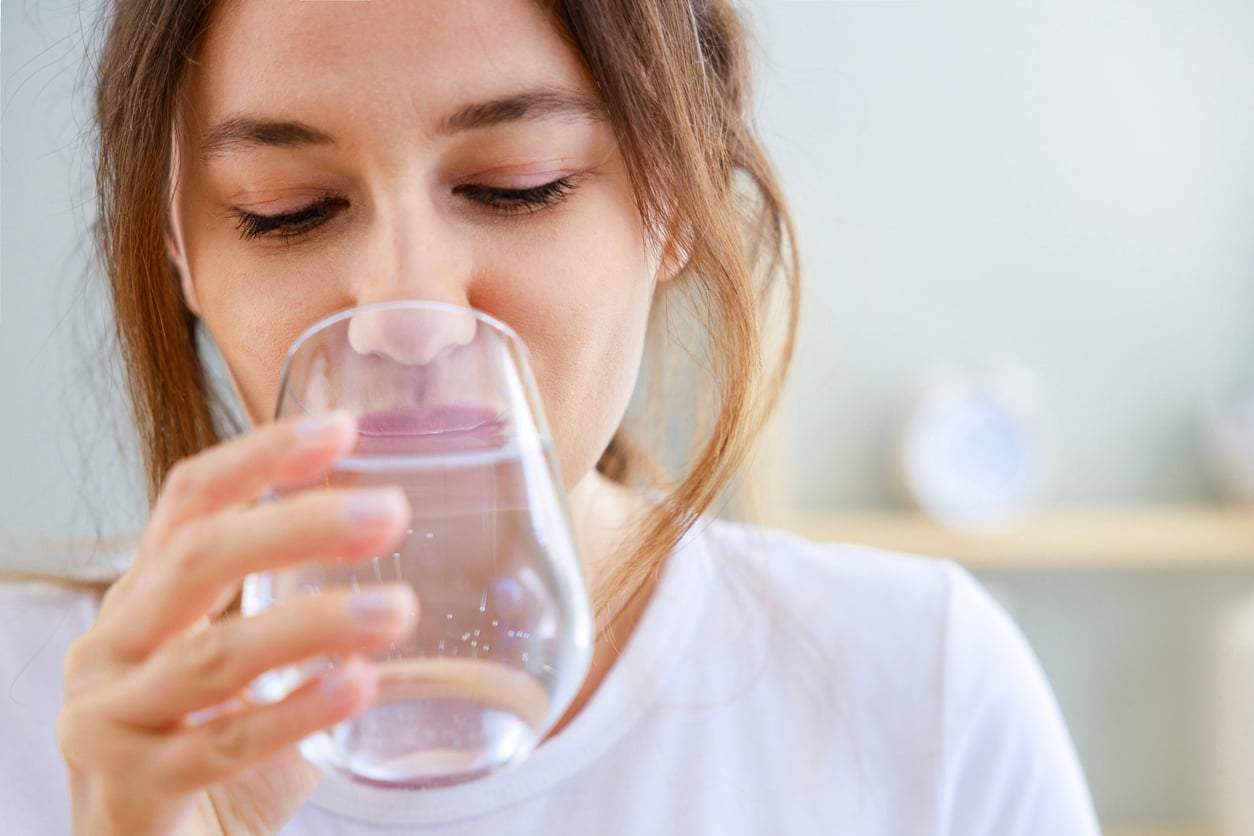
It sounds counterintuitive — drinking more water to feel less puffy — but it works. Most people don't drink enough water throughout the day, and even mild dehydration can slow digestion and make bloating worse.
Staying well hydrated supports your metabolism, helps move things through your digestive system, and reduces the likelihood of water retention. Aim for consistent hydration throughout the day rather than drinking large amounts all at once.
Natural remedies worth trying
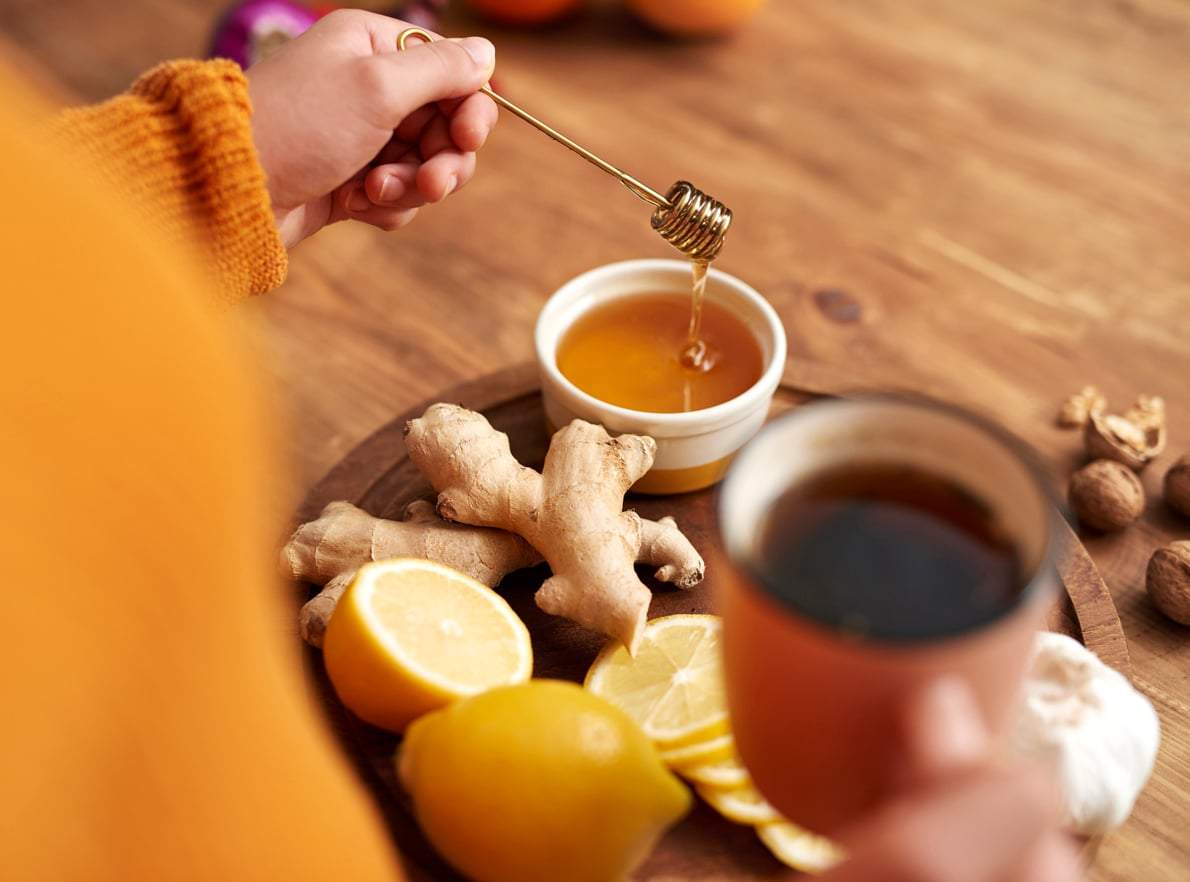
Several natural options have a solid track record for easing bloating. Peppermint tea and ginger are among the most well-known — both help relax the digestive tract and reduce gas. Many women find them especially helpful during the premenstrual phase.
Light movement is another underrated tool. A gentle walk or some light stretching after meals can stimulate digestion and help relieve that heavy, bloated feeling faster than lying on the sofa.
Managing hormonal bloating takes more than a quick dietary fix. It requires a broader look at your lifestyle — your stress levels, your sleep, your hydration, and your hormonal health as a whole. Pay attention to the signals your body is sending. And if symptoms persist or feel severe, don't hesitate to speak with a healthcare professional.