The Guardian recently pointed out that houseplants lined up temptingly on supermarket shelves often start off at a disadvantage. It’s not necessarily because you don’t know how to care for plants. Let’s uncover the secret behind this mysterious “houseplant curse” and show you how to become a confident plant parent—even if you’ve only dared to keep a cactus so far!
What’s the problem, anyway?
Many of us have wondered: is it even worth buying houseplants or herbs from supermarkets? According to The Guardian, the answer isn’t black and white. Some thrive at home, but most—especially basil, parsley, and mint—say goodbye within the first week.
I recently witnessed this firsthand: my once-beautiful supermarket basil and parsley started looking worse after just a few days, and the basil completely dried out within weeks. Luckily, I now understand why—and what to do to avoid this next time.
The Guardian warns that supermarkets treat plants more like fast-moving products than living beings. They sit under harsh lights, watered irregularly, and often already weakened by the time you buy them. Herbs are grown to grow quickly in small pots, designed to last just a few days until cooking, not for long-term life.
How to avoid disappointment?
If you want to stop being let down by supermarket plants, take a close look before buying: The Guardian advises avoiding plants with yellowing or drooping leaves, or soil that’s either too wet or completely dry.
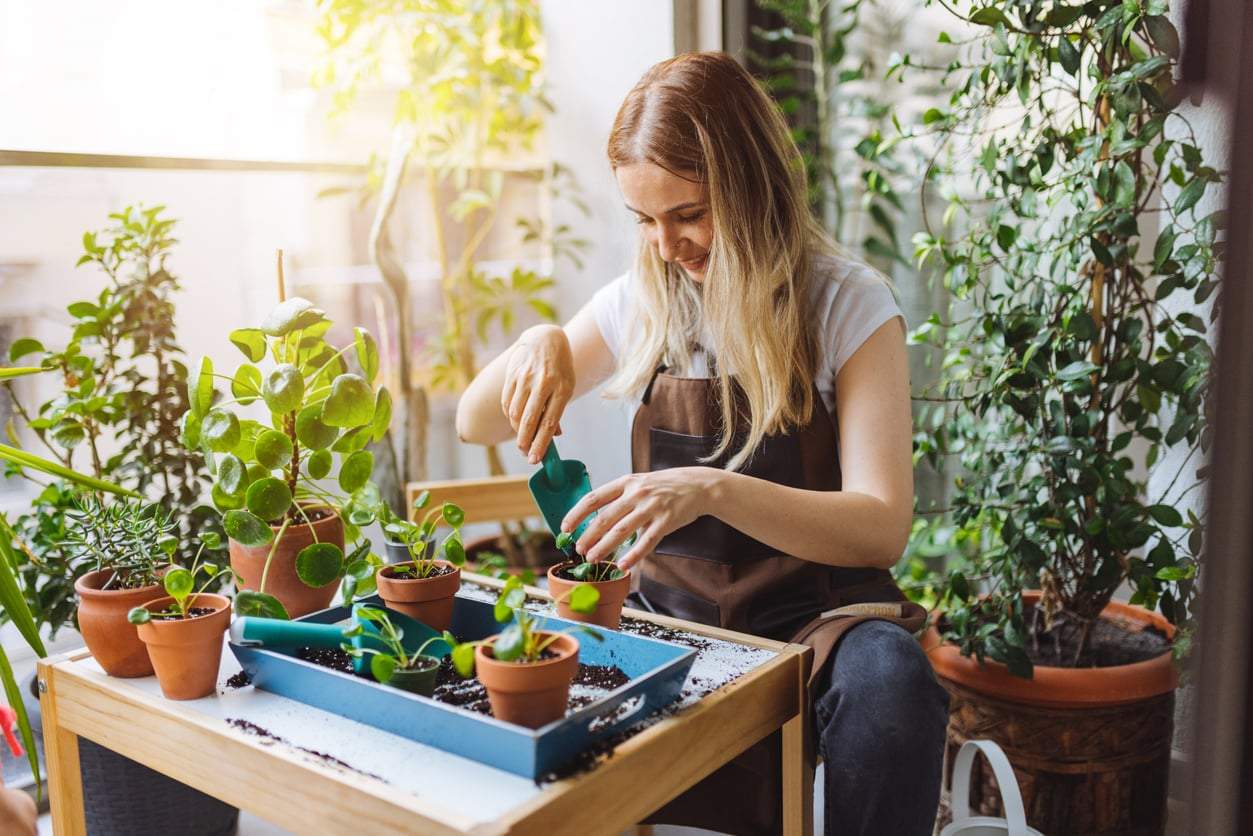
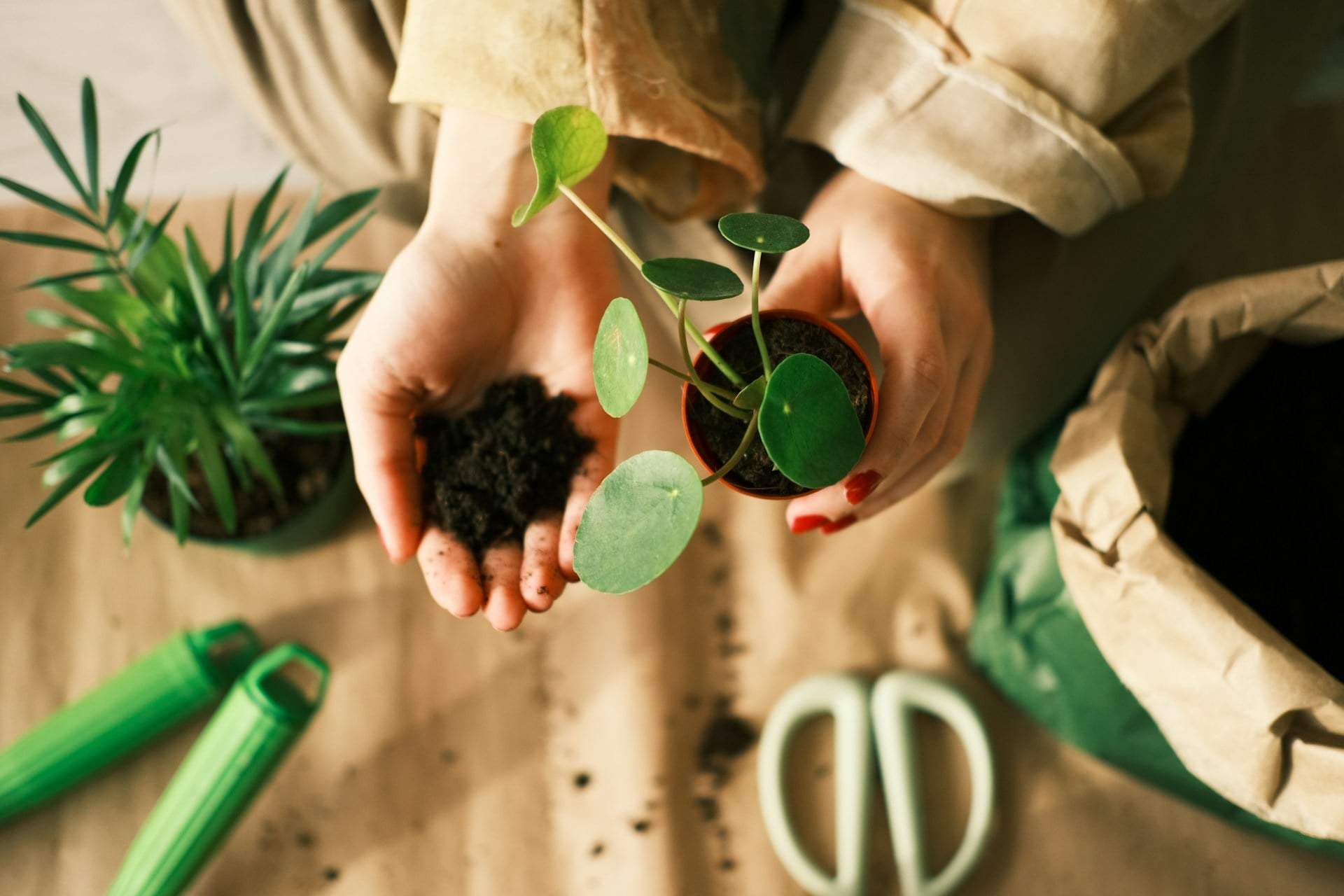
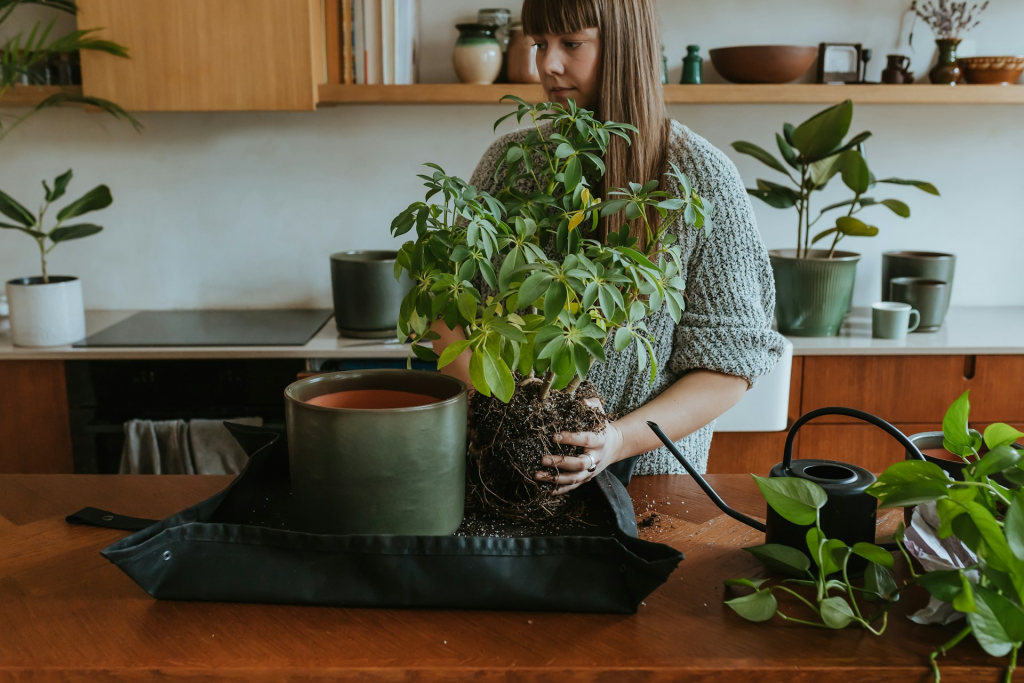
Also, check the soil for mold or pests. Once home, repot your plant into fresh, ideal soil and keep it separate from your other plants for at least two weeks to ensure it’s healthy.
For extra peace of mind, consider buying from garden centers, plant shops, or nurseries where plants get expert care. But if you spot a healthy little green friend while shopping and feel like nurturing it, don’t hesitate to bring it home. With a little love, it can thrive for a long time!
Boost your confidence even more
If you’re new to plant care or have only dared to keep a cactus so far but crave more greenery at home, start small. Don’t try to turn your living room into a jungle overnight.
Here are some tips to help you enjoy success:
- Start with easygoing plants: Pothos (Epipremnum aureum), ZZ plant (Zamioculcas zamiifolia), or snake plant (Sansevieria trifasciata) are great choices. They thrive with minimal light and water.
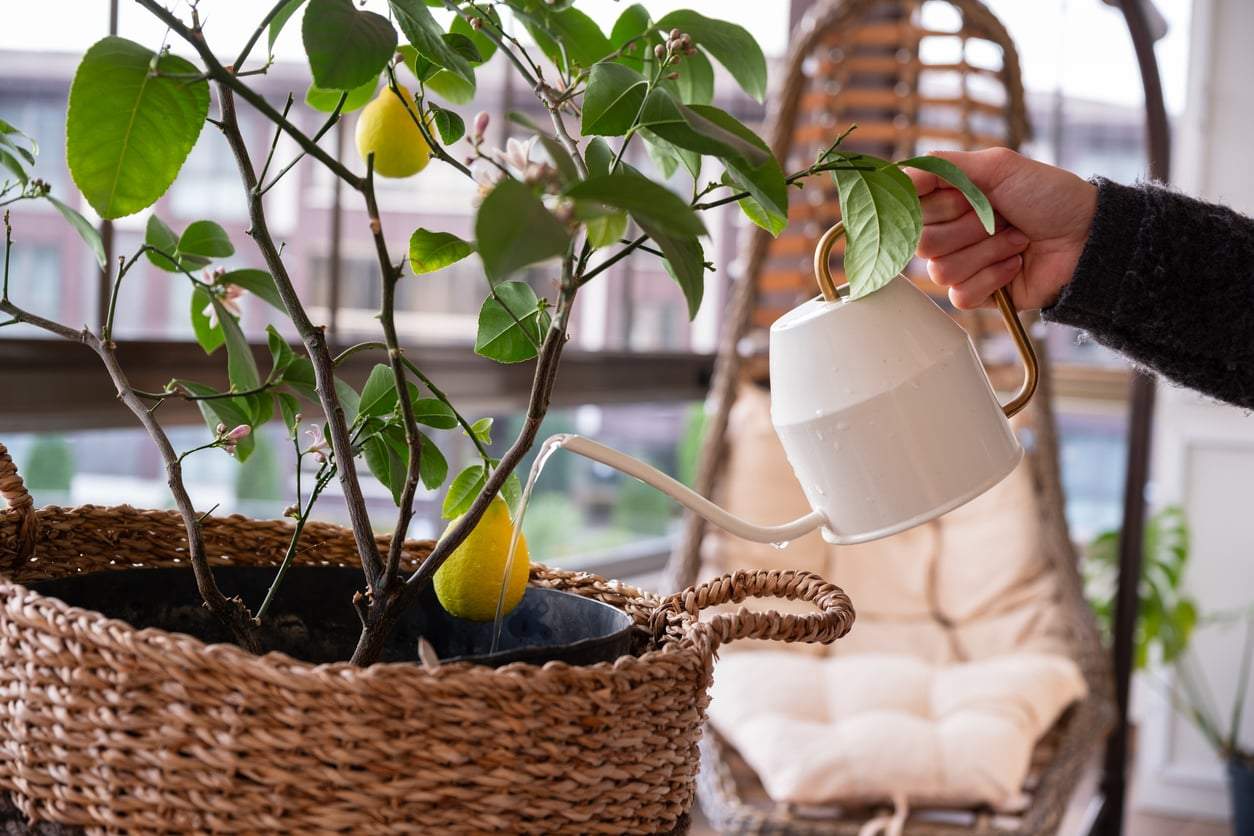
- Learn to water wisely: Overwatering kills more houseplants than drought. Instead of watering on a schedule, touch the soil first. If the top 2-3 cm (about 1 inch) is dry, it’s time to water. If it’s still moist, wait a few days. This simple trick works for most plants.
- Know your plant’s light needs: Some love direct sunlight, others prefer shade. A little research can work wonders.
- Don’t fear repotting: When your plant outgrows its pot, fresh soil and a bigger container can give it new life.
- Watch for pests: Yellowing, sticky leaves, or tiny white spots usually mean uninvited guests. Spotting them early gives you the best chance to save your plant.
- Be patient with yourself: Everyone makes mistakes—even seasoned plant parents. Don’t see a lost plant as failure; instead, think about what you’ll do differently next time to help your new green friend thrive!