A dishwasher truly simplifies life, but it can also cause headaches if not loaded properly. If you don’t maximize space or place dishes correctly, you’ll often have to run another cycle. That means wasted time, extra energy, water, and detergent—leading to higher costs. Think you’ve been loading it right all along? We might just surprise you. Your dishwasher works best when used smartly and intentionally. Let’s dive into how to load it like a pro.
1. The Bottom Rack Is for Heavy-Duty Items
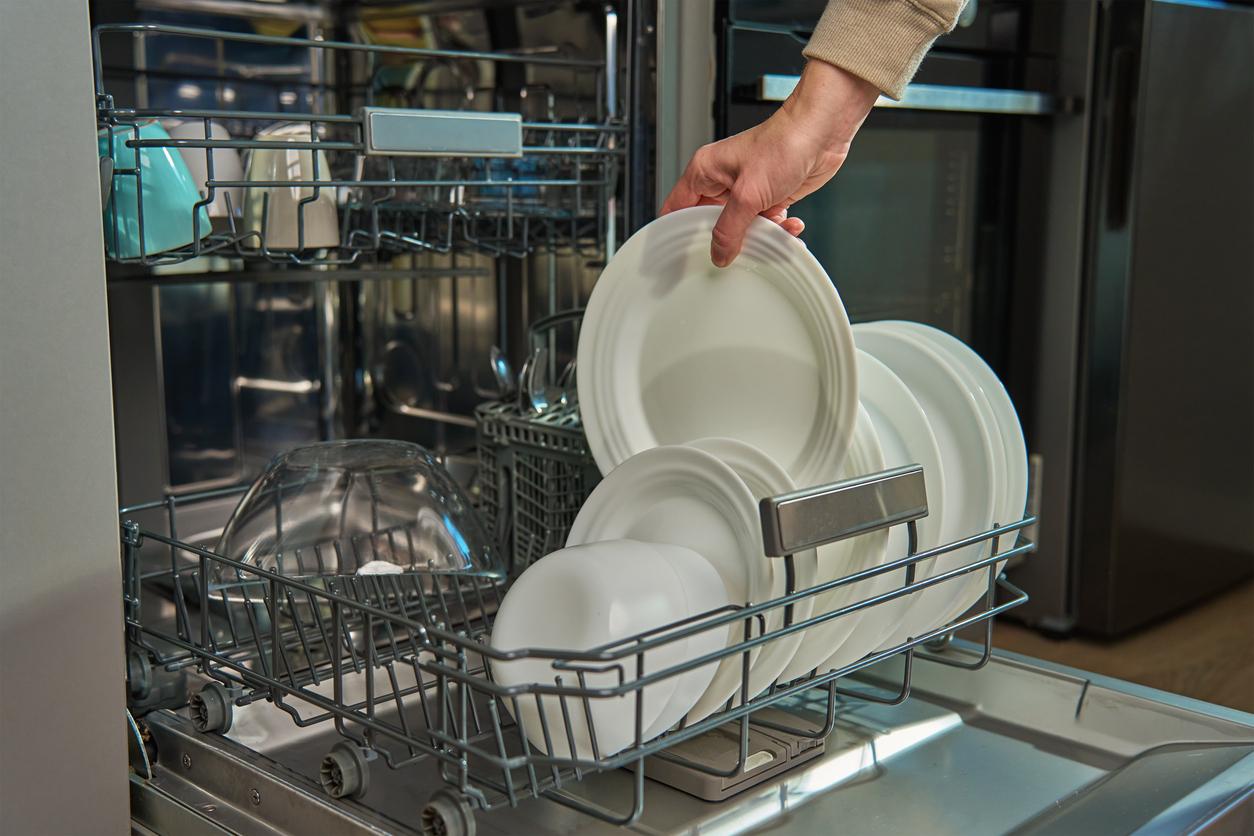
Place your larger, dirtier dishes—like plates, pots, pans, and lids—in the bottom rack. This area gets the strongest water jets, so these items get the deepest clean. Make sure plates aren’t standing completely vertical but slightly tilted so water can easily drain off.
2. The Top Rack Is for More Delicate Pieces
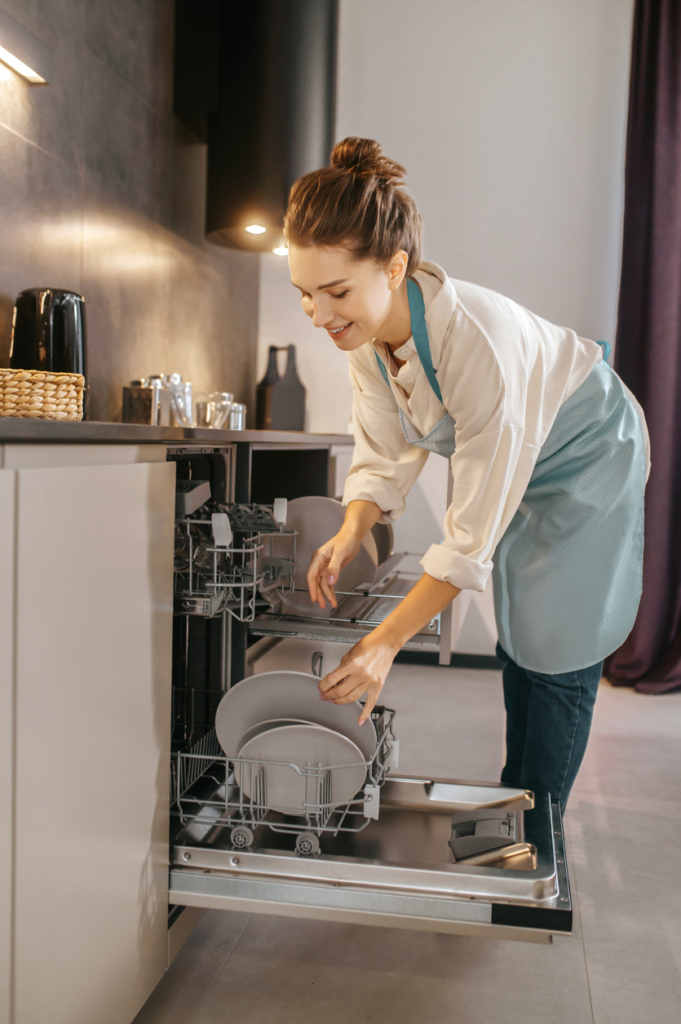
Put lighter or more fragile items like glasses, mugs, cups, small bowls, and plastic containers on the top rack. Water pressure is gentler here, reducing the risk of cracks or tipping. Always place glasses upside down, but keep them from touching each other to avoid clinking during the wash.
3. Always Leave Space for Water to Flow
Your dishwasher doesn’t soak dishes; it cleans with powerful water jets. If dishes are packed too tightly, water can’t reach every surface.
4. Never Block the Spray Arms
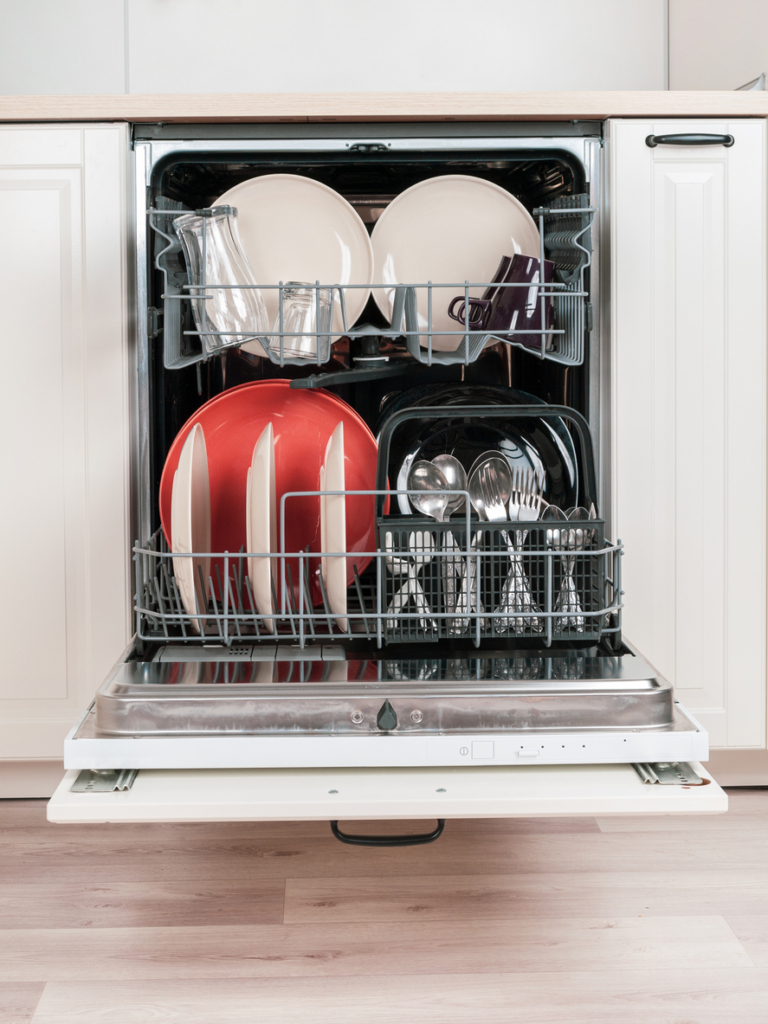
This one’s obvious, but often overlooked. A misplaced pan or a long-handled spoon can completely stop the spray arms from spinning.
Always spin the spray arms by hand before starting to make sure nothing is in the way.
5. How You Arrange Cutlery Matters
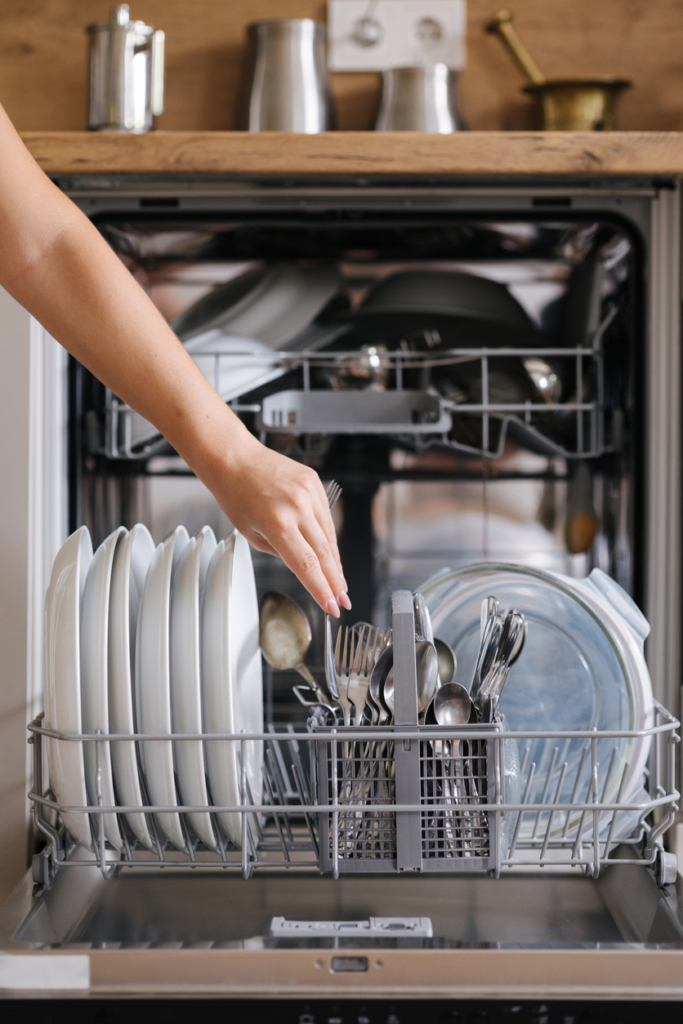
Many people load all cutlery facing the same way, but this reduces cleaning efficiency. Mix spoons, forks, and knives and place them alternating directions so they don’t nest together. If you have a separate cutlery drawer, even better—each piece gets its own space.
Load Knives Safely
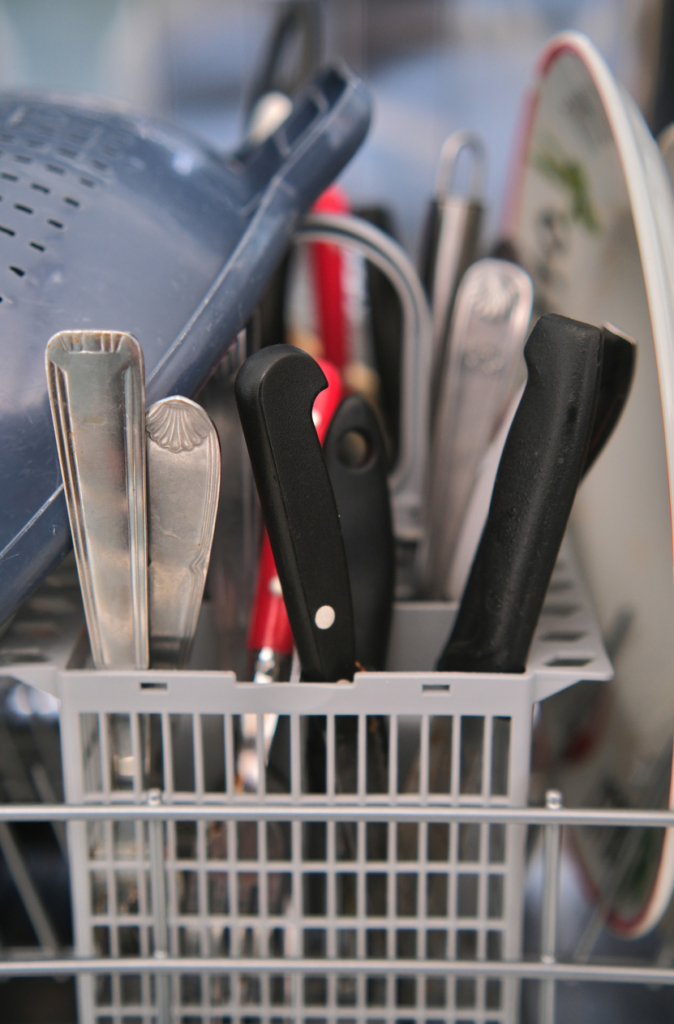
Sharp knives should always go blade-down. This keeps things safe and helps knives stay steady during washing. For special, high-quality knives, hand washing is best to protect their edges over time.
Plastic Items Need Extra Care
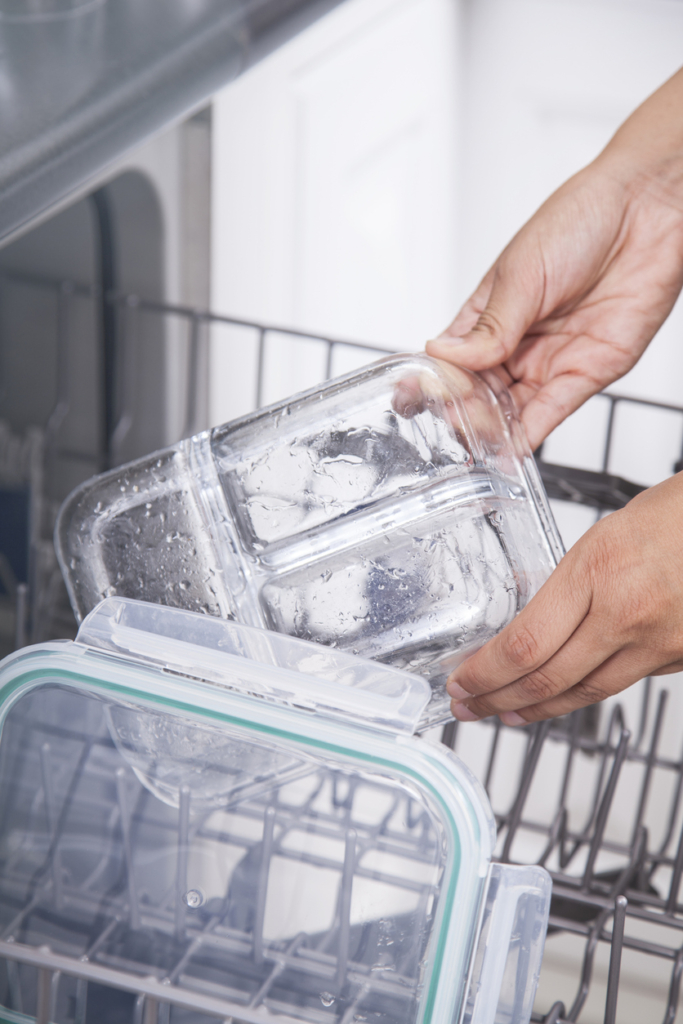
Light plastic containers and lids can easily be lifted by water jets. If not secured properly, they might flip, fill with water, or stay dirty. Always place them on the top rack and secure them with fold-down holders if needed.
Don’t Overload – Less Is Sometimes More
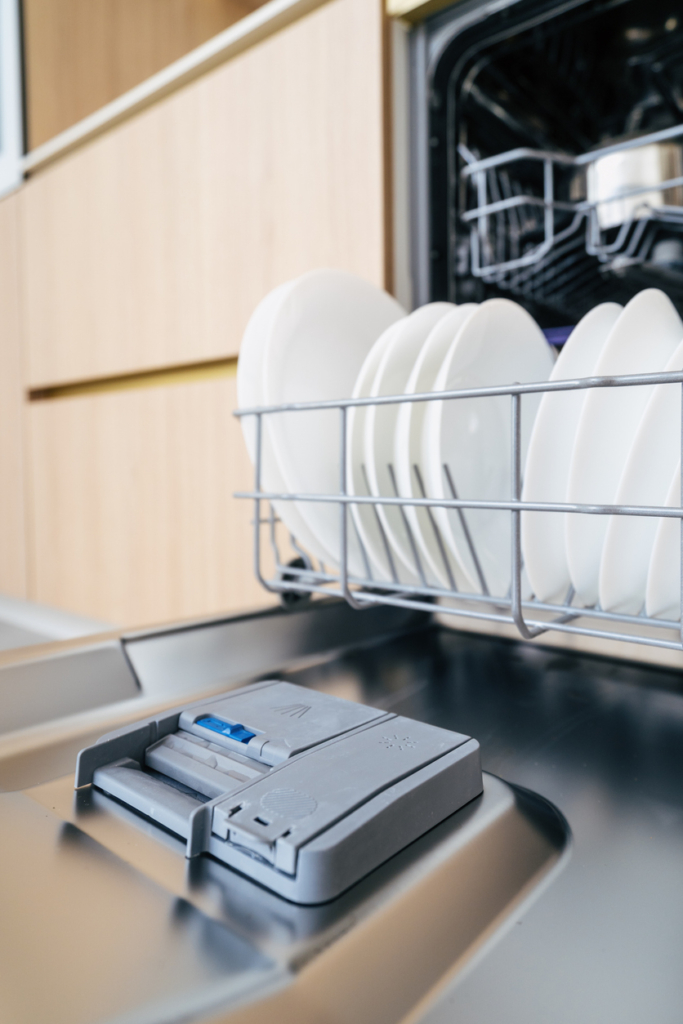
While it’s tempting to wash everything at once, an overpacked dishwasher almost guarantees poor results. That leads to disappointment and reruns. When in doubt, leave a few dishes out rather than wasting a full cycle.
No Need to Pre-Rinse, But Prep Dishes
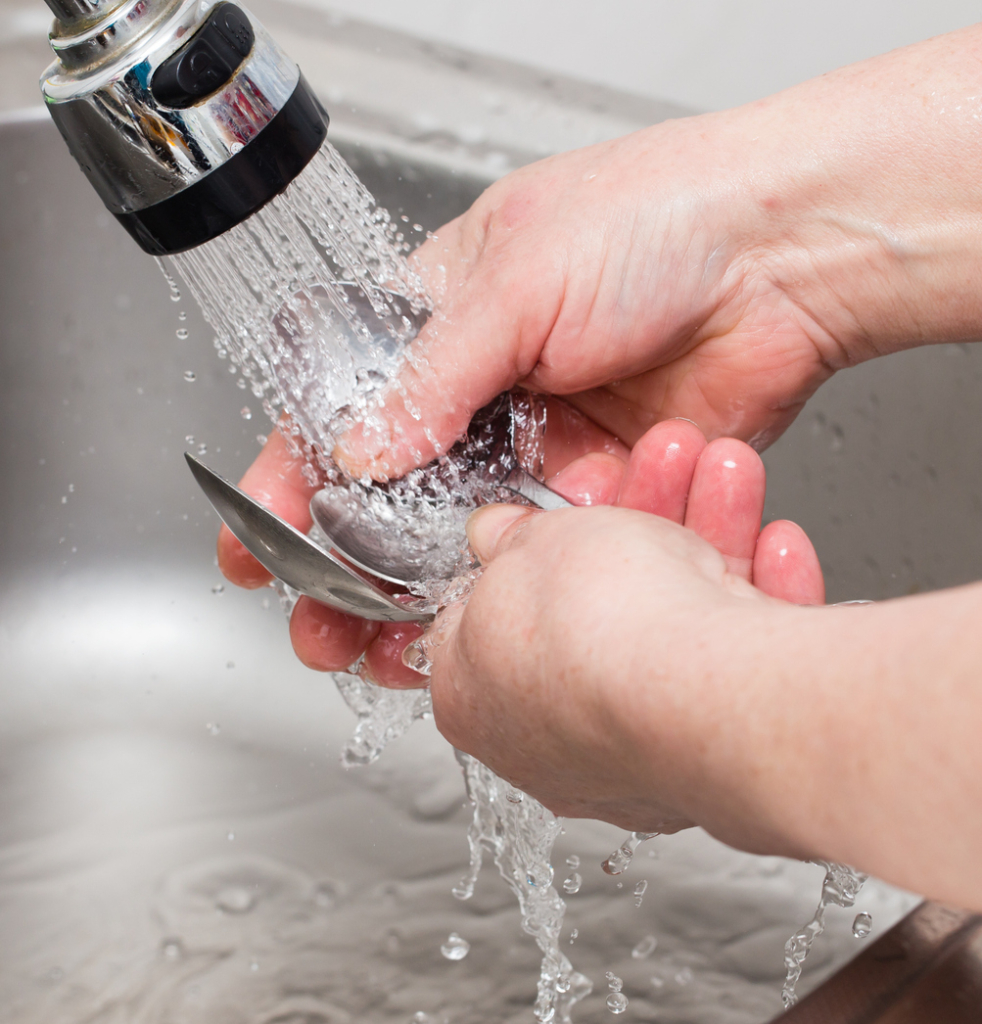
Modern dishwashers don’t require pre-rinsing, but scraping off leftover food is a smart move. Large bits can clog filters and reduce your machine’s efficiency over time.
The Order You Load Matters Too
Start with larger items, then add smaller ones. This helps you see the space better and avoids one misplaced dish throwing off the whole load.