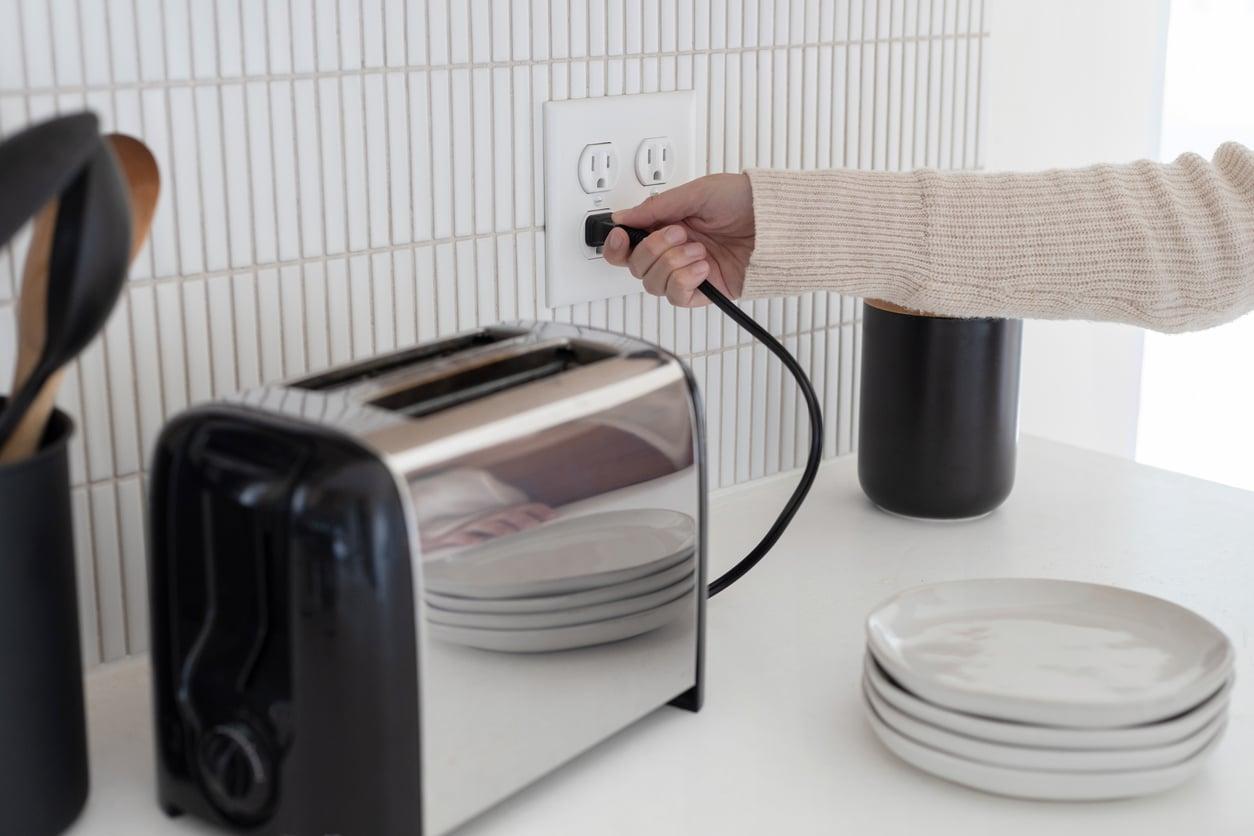
It sits quietly on your kitchen counter, used for a few minutes each morning and then forgotten. Most of us never think twice about leaving the toaster plugged in. But safety experts increasingly warn that this small, everyday habit could carry more risk than it appears.
Modern kitchens are packed with electrical appliances, and while they keep getting safer, one old-school rule still holds: unplug what you're not using. So why has the humble toaster become a particular point of concern?
Why you should unplug your toaster after use
1. Fire hazard — the hidden risk sitting on your countertop
Every time you make toast, tiny crumbs collect inside the appliance. On their own, they're harmless. But toaster heating elements can reach extremely high temperatures — and that's where things can go wrong.
Safety experts point out that even small kitchen appliances can start a fire if they malfunction or if the heating element activates unexpectedly. It's rare, but the risk is real.
"A crumb-filled toaster combined with an unexpected electrical fault is all it takes for a dangerous situation to develop — especially when no one is home." — Southern Living
The fix is simple: unplug it when you're done, and clean the crumb tray regularly. It takes five seconds and could prevent something far more serious.
2. Power surges and lightning — when the weather becomes a threat
Here's something most people overlook: storms are one of the biggest enemies of household appliances. A nearby lightning strike can send a sudden voltage surge through your home's electrical network, frying anything that's plugged in.
A toaster isn't the most expensive thing in your kitchen, but a power surge can cause damage beyond the appliance itself — affecting wiring or other devices on the same circuit.
Experts recommend unplugging small kitchen appliances before a storm rolls in. One important note: do it before the storm arrives, not during — touching plugs and sockets while lightning is active is dangerous in itself.
3. Phantom energy use — the cost of leaving things plugged in
Most basic toasters draw virtually no power when idle. But newer models with digital displays or touch panels consume a small but continuous trickle of electricity even when not in use.
That alone won't break the bank — but multiply it across several appliances in your home and it adds up to a noticeable difference on your annual energy bill.
When it comes to saving energy at home, it's not just the big appliances that matter. Small daily habits — like unplugging the toaster — quietly contribute to a more efficient household.
Toaster safety: simple habits that make a real difference
Most kitchen accidents don't happen because of faulty appliances. They happen because of inattention. The good news is that a few easy steps can significantly reduce your risk.
Clean it regularly — it's not just about hygiene
The crumb tray at the bottom of your toaster exists for a reason. Empty it regularly and gently clean the interior (always while unplugged) to reduce the chance of overheating and fire.
Damaged cord? Replace it immediately
A frayed, bent, or warm power cord is a serious warning sign. Don't try to repair it or keep using the appliance — safety always comes first. When in doubt, replace it.
Always plug directly into a wall socket
Toasters should be connected directly to a wall outlet, not an extension lead or power strip. Overloading a strip — especially with multiple high-draw appliances — significantly increases the risk of electrical faults.
Don't walk away while it's running
It's a habit many of us have, but leaving a toaster unattended while in use isn't ideal. A stuck slice or a sudden malfunction can escalate quickly when no one is watching.
Facts vs. fear — should you actually be worried?
To be clear: modern toasters are fundamentally safe appliances. Manufacturers build in multiple safeguards — automatic shut-off, overheat protection, and more. This isn't about fear.
It's about awareness. Most of the risks associated with toasters don't come from the appliance being inherently dangerous — they come from how we use and maintain it.
Unplugging it, keeping it clean, and paying a little attention goes a long way toward making your home safer.
One small action that brings real peace of mind
Unplugging the toaster isn't complicated. It takes a moment. And yet most of us never do it — even though this one simple habit can help prevent fire risks, protect against power surges, and quietly cut down on wasted energy.
A safe home is often built not on big decisions, but on small daily ones. And sometimes, a single gesture — like pulling that plug before you leave the kitchen — is enough to start the day with a little more peace of mind.