Breathing is more than a physiological need; it’s closely tied to our emotional and mental state. Have you noticed your breath quickens when you’re excited or stressed? Or slows down when you’re relaxed? Our breathing patterns tell a lot about us, and below we explore these patterns and what they mean.
Deep, Slow Breathing
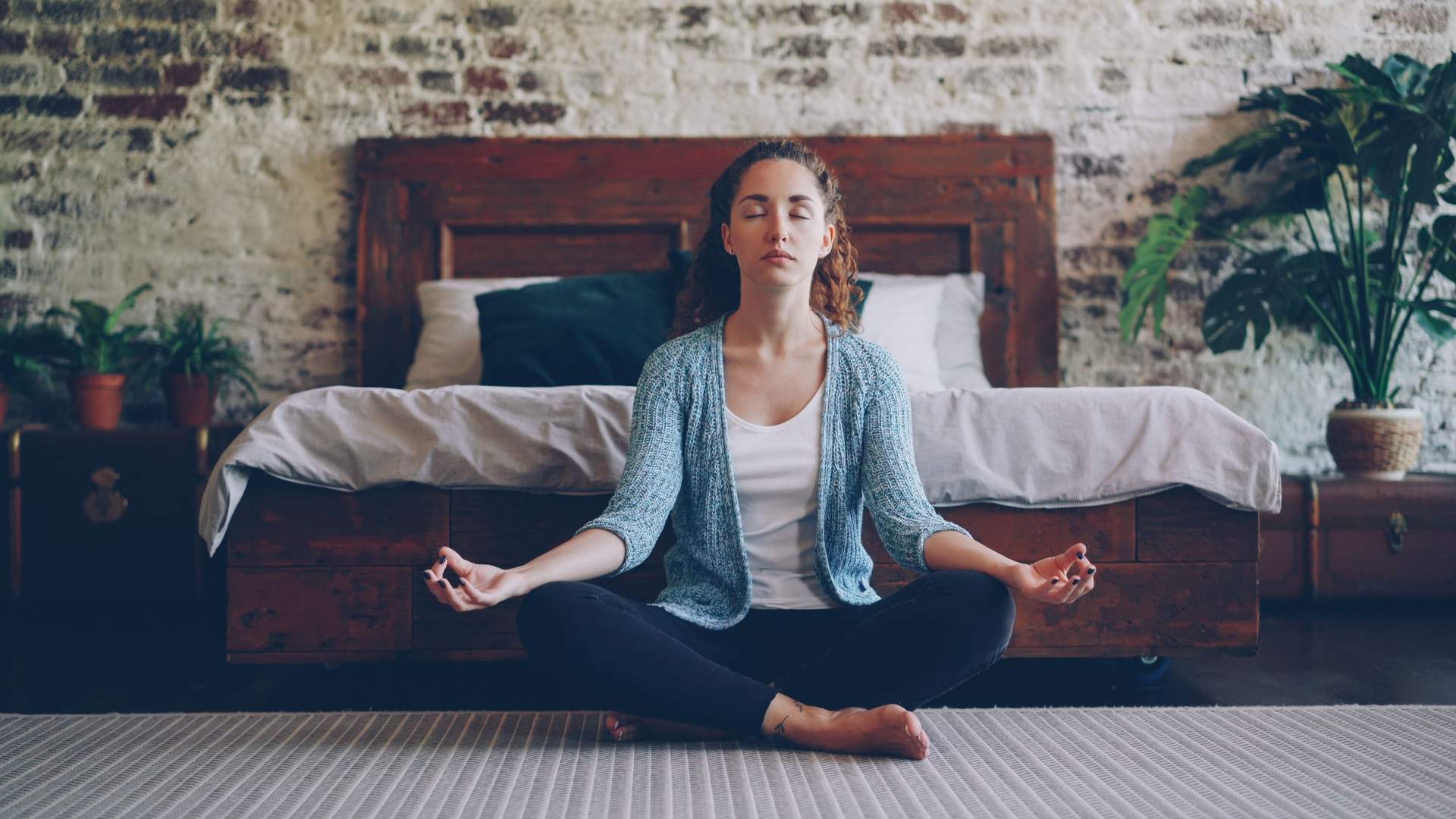
Deep and slow breathing is one of the healthiest patterns, helping us find balance in body and mind. It’s often used in yoga and meditation because it activates the parasympathetic nervous system, which promotes relaxation and rest.
With deep, slow breaths, you not only reduce stress but also boost your immune system by helping your body absorb oxygen more efficiently.
If someone’s natural breathing is deep and slow, it usually signals inner calm and balance. Practicing this regularly can turn it into a habit that supports managing stressful moments over time.
Fast, Shallow Breathing
Fast and shallow breathing often signals stress or anxiety. It usually comes from the upper chest, which can leave your body short on oxygen and make stress feel even worse.
This pattern can create a self-sustaining cycle where rapid breathing fuels more anxiety.
You can change this pattern with techniques like belly breathing or mindful breathing meditation. These help break the anxiety loop and build a calmer, more balanced breath.

Choppy, Irregular Breathing
When breathing becomes irregular or choppy, it often signals emotional tension or mental unrest. This pattern usually shifts quickly between shallow and deep breaths, often as an unconscious response to emotional conflicts or trauma.
Balancing choppy breathing takes time and patience, focusing on releasing emotional blocks. Alongside psychological support, breath therapy can be very helpful in easing emotional tension.
Box Breathing: A Symbol of Stability
Box breathing, or square breathing, is a mindful pattern that helps regain a sense of stability and control.
It follows a steady rhythm where inhaling, holding the breath, exhaling, and pausing each last the same amount of time.
This technique is especially useful in stressful moments, as it restores balance and improves oxygen flow to the brain, supporting clearer thinking and better decisions. With regular practice, box breathing can naturally stabilize your breath when tension rises.
The Importance of Breathing Rhythms
It’s not just how you breathe but the rhythm you follow that matters. Your natural breathing rhythm reveals a lot about your current mental state and can be used to reach relaxation. Learning different breathing techniques can make mindful breathing a part of your daily life.
Observing and consciously adjusting your breathing patterns isn’t just key to emotional harmony—it also positively impacts your health. Mastering and applying the right breathing techniques is a great step for anyone wanting to better understand and guide their inner world.