The kitchen is more than just where we eat—it’s the heart of family life, where we spend time together, chat, and create culinary magic. But this cozy space can hide some sneaky risks if we don’t keep hygiene top of mind. How can we make sure our kitchen stays clean and safe for everyone? Let’s uncover the five most common myths many of us still believe.
First up: never wash raw chicken
Many think rinsing raw chicken is a must, but it actually spreads bacteria around your kitchen. Water droplets can carry harmful germs like salmonella onto your sink, countertops, and nearby utensils.
Instead, use raw chicken right before cooking without washing it. Cooking at the right temperature kills most bacteria. And don’t forget to wash your hands and clean surfaces thoroughly after handling raw meat.
How you thaw meat matters
Leaving meat out on the counter to thaw is risky because room temperature encourages bacteria to multiply fast. The safest way? Thaw frozen meat in the fridge.
It takes longer but keeps your meat safe. If you’re in a hurry, a low-power microwave can help—but start cooking immediately afterward to avoid bacterial growth.
The hidden dangers of kitchen sponges
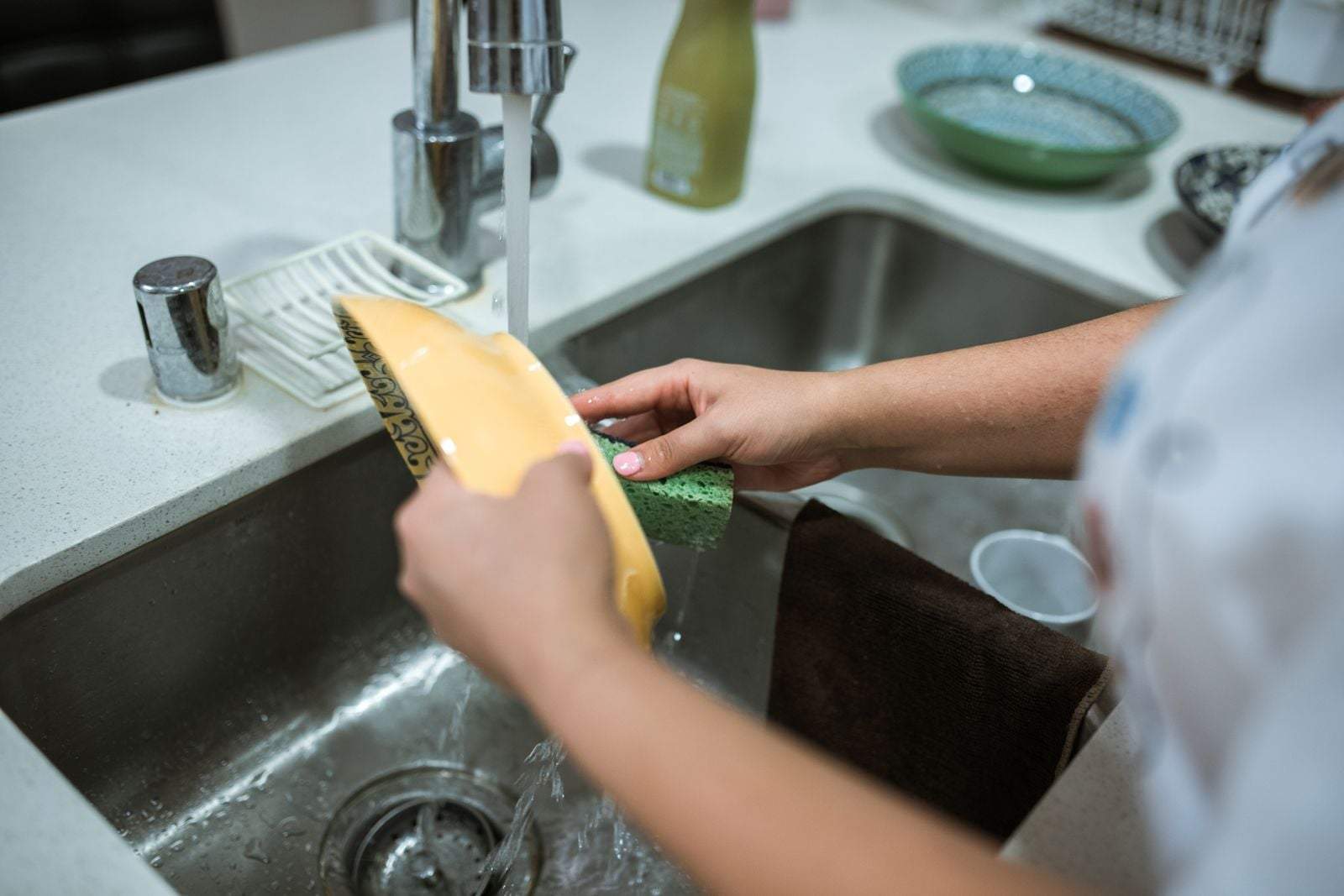
We often overlook that kitchen sponges are one of the germiest tools we use. Since they stay damp, they’re perfect breeding grounds for bacteria—even if rinsed regularly.
To keep your kitchen healthier, swap sponges often or try antibacterial cloths. You can also zap sponges in the microwave now and then to kill bacteria.
Eggs: what you need to know for safety
Eggs are incredibly versatile, but raw eggs can pose risks if handled carelessly. Bacteria can live on the shell or inside, and improper cooking won’t kill them.
Never use cracked eggs, and always cook eggs thoroughly. When making dishes with raw eggs like homemade mayo, mousse, or tiramisu, pick fresh eggs and eat the dish quickly.
Use separate cutting boards for different foods
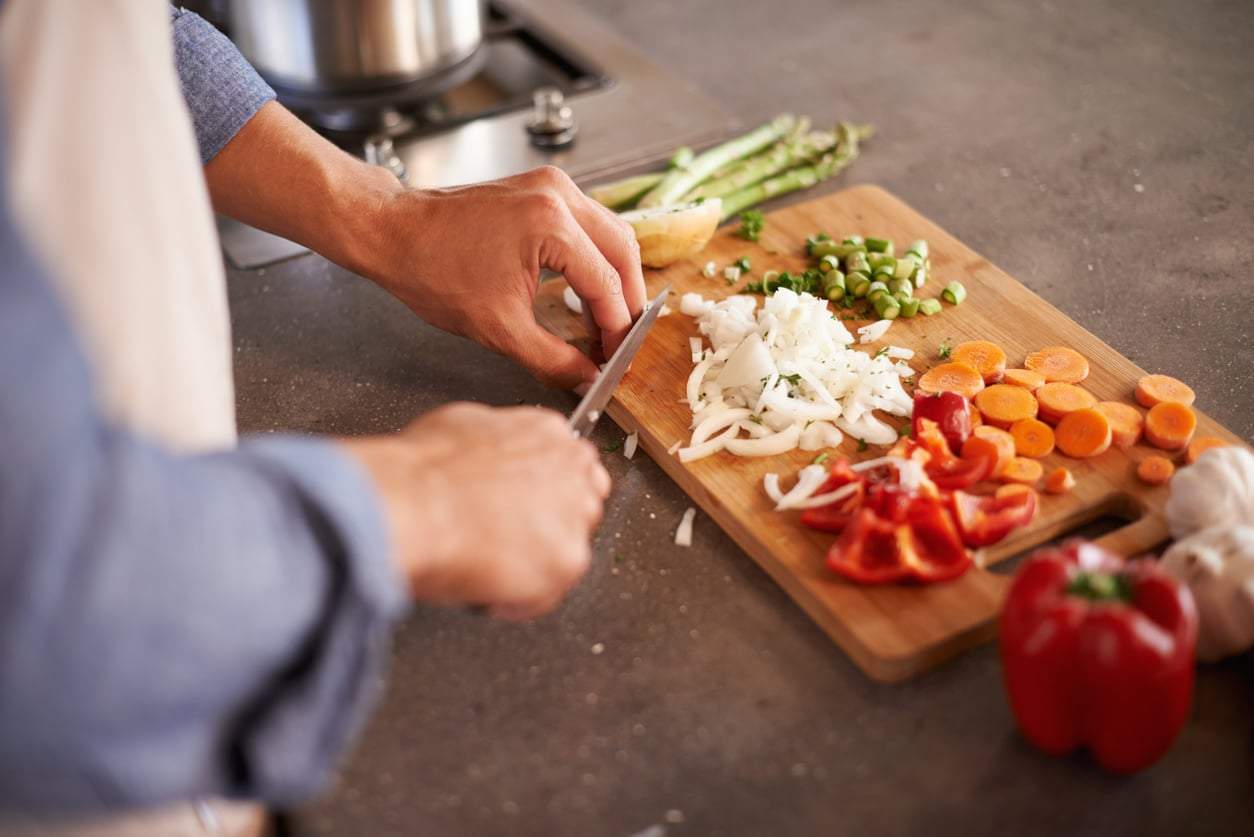
To avoid cross-contamination, always use separate cutting boards for raw meats and vegetables. Using the same board can easily transfer bacteria like salmonella from one ingredient to another.
The best approach is to keep color-coded boards and stick to them strictly. After use, wash boards thoroughly with hot, soapy water and let them dry completely.