Throughout history, cities have risen and fallen, but future challenges bring new, unprecedented risks. Climate change, natural disasters, and harmful human activities threaten the survival of many communities. In this article, we highlight 10 cities that researchers say are in the danger zone.
Jakarta – The Sinking Metropolis
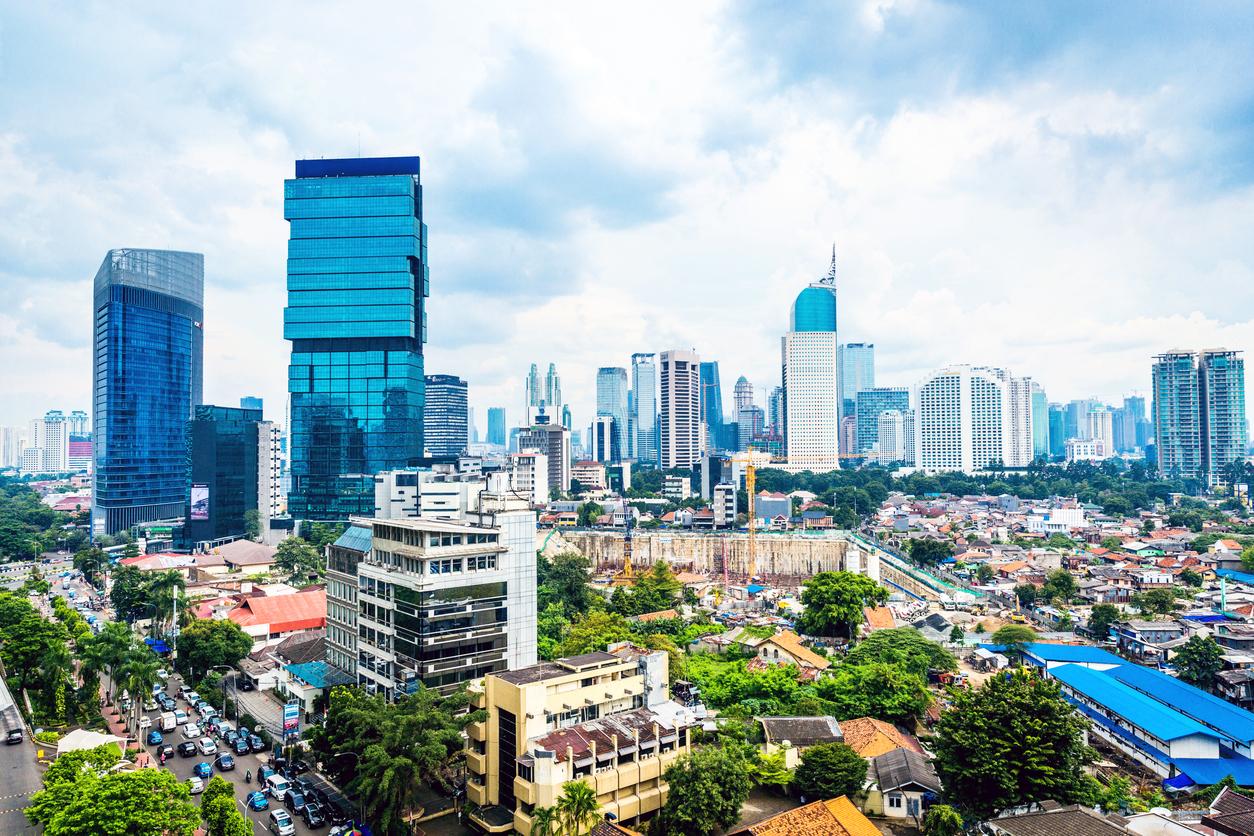
Jakarta, Indonesia’s bustling capital, has seen rapid population growth in recent decades. But the city is sinking at an alarming rate—about 10 centimeters (4 inches) per year. Flooding, aging infrastructure, and poor water management all contribute to this serious problem. Many studies suggest the government consider relocating parts of the population.
One option on the table is moving the capital entirely, a costly but potentially necessary step. Indonesia’s government has already begun planning a new capital on another island.
Venice – The Fortress of Saltwater
Venice, famous for its romantic canals, has long battled rising water levels. The very water that defines its charm is now its greatest threat. Residents and the Italian government have worked hard to control flooding, but climate change is making floods more frequent and severe.
Efforts to protect Venice’s historic and cultural treasures continue, but the question remains: how long can the city withstand nature’s forces?
Miami
Miami, Florida’s gem, draws visitors with its stunning beaches and vibrant tourism. But the ocean is literally rising at its doorstep. Scientists warn this southern city faces tough times ahead as sea levels climb and storms grow stronger.
Local authorities are working to strengthen infrastructure, raise roads, and build new drainage systems. Still, they know that only global action on climate change can offer a lasting solution.
Bangkok – The Sinking City
Bangkok, Thailand’s lively capital, is also sinking, though not as fast as Jakarta. Still, it’s a worrying trend. Rising sea levels and stronger monsoons increase the pressure on the city.
City leaders have developed serious plans to improve drainage and create green spaces that help manage water and improve urban life.
New Orleans – A Determined Fight Against Nature
New Orleans, one of the U.S.’s most iconic cities, has symbolized the battle against water since Hurricane Katrina’s devastation. This low-lying city faces extreme weather, rising seas, and powerful storms driven by climate change.
The city is adapting with major infrastructure projects: levees, pump stations, and protective systems. Local leaders and communities know that long-term success depends on slowing global warming.
Shanghai – Threats to a Modern Economic Hub
Shanghai, one of China’s largest and fastest-growing cities, has become a key player in the global economy. But it’s also sinking due to intense urban development and overuse of groundwater.
The government is working with international experts to develop innovative engineering solutions to ease the burden on the city and its residents.
London
London, the vibrant capital of the UK, has been responding to rising water levels for decades. The famous Thames Barrier has helped protect the city, but future challenges loom as climate change increases extreme weather events.
City officials continuously assess the impacts of climate change and rising seas, updating defenses as needed to secure London’s future.
East Antarctica
While not a city in the traditional sense, East Antarctica, home to the world’s largest ice sheet, is sounding similar alarms as its unstable ice slowly melts.
If significant ice masses melt, global sea levels could rise dramatically, threatening countless coastal cities, including many on this list.
Kolkata
Kolkata, one of India’s most important economic and cultural centers, faces many challenges. Rising sea and river levels, combined with monsoon rains, put the area and its people at risk of flooding.
City planners are working on long-term solutions, improving drainage and modernizing digital monitoring to respond better to natural disasters.
Manila
Manila, the capital of the Philippines and one of the world’s most densely populated urban areas, is also under threat from sinking. Rising sea levels and frequent floods pose serious risks to this metropolis.
City leaders have invested in infrastructure to tackle ongoing issues, but global climate change demands bigger steps that will shape the future.