Microwaves are now an essential part of modern kitchens. They’re fast, practical, and save us from spending long minutes by the stove. But some foods don’t just lose their appeal when microwaved—they can even pose health risks.
Boiled Eggs
It might surprise you, but reheating boiled eggs in the microwave can be risky. The steam inside can build pressure and cause the shell to explode. This not only creates a mess but can also cause burns if you’re not careful.
The safest bet is to avoid pressure buildup inside the egg by warming it using other methods, like placing it in hot water.
Chicken
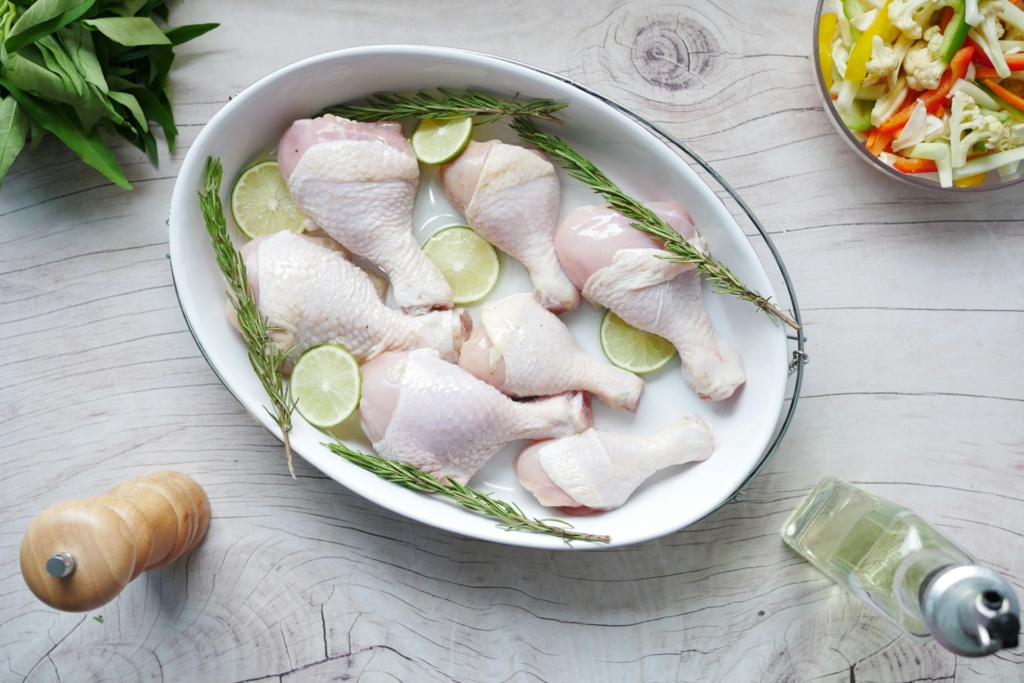
Bacteria like salmonella and campylobacter in chicken don’t always get eliminated by the microwave’s quick, uneven heating. So, when reheating chicken, opt for a conventional oven or stovetop instead.
Plus, chicken breasts and other poultry taste better when heated evenly, keeping their texture juicy and tender.
Rice
Many don’t realize that cooked rice can be risky if not stored or reheated properly. A bacterium called bacillus cereus can thrive if rice isn’t heated thoroughly, potentially causing food poisoning.
Always store rice at the right temperature and consider reheating it over steam or in a hot pan for safety.
Potatoes
Potatoes react similarly to microwaving. If cooked potatoes sit at room temperature and aren’t reheated properly, a bacterium called clostridium botulinum can develop, leading to serious food poisoning.
To avoid this, cool potatoes quickly and reheat them thoroughly at a high temperature.
Mushrooms
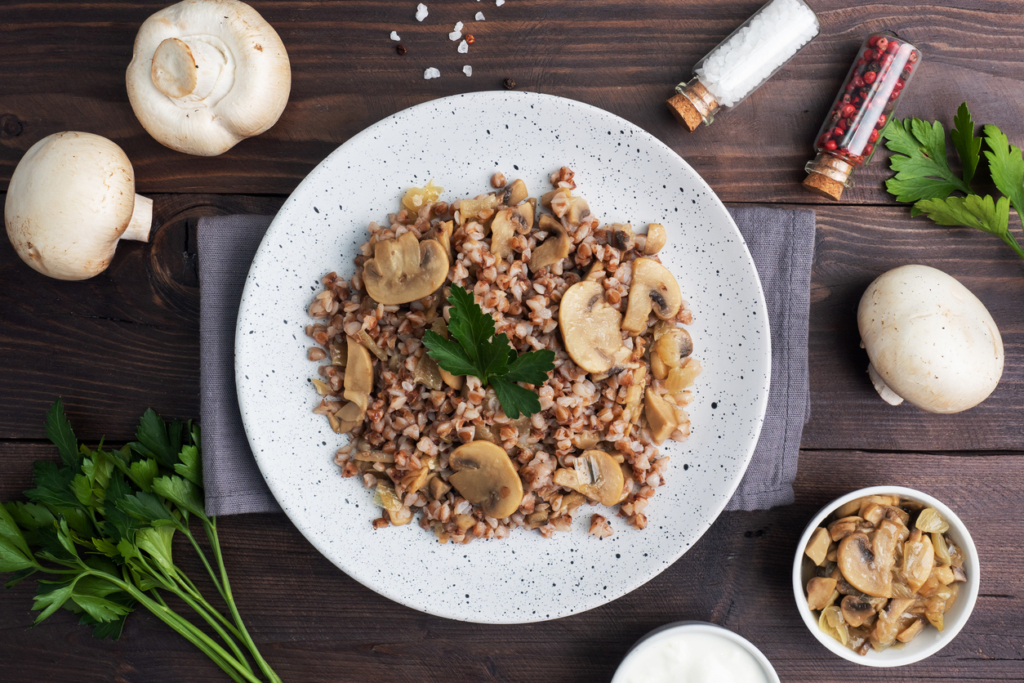
Mushrooms spoil faster due to their protein content, especially if not stored properly. Microwaving can break down these proteins, making the mushrooms go bad.
It’s best to eat cooked mushrooms soon after preparation or reheat them carefully in a pan.
Breast Milk
Microwaving breast milk can damage its nutrients and create hot spots that might burn your baby’s mouth.
The best way is to warm breast milk gently in warm water or with a special bottle warmer.
Spinach
Spinach has high nitrate levels, which can turn into potentially harmful nitrites when microwaved.
If reheating spinach, use fresh leaves and eat immediately or warm it using traditional methods.
Red Meats
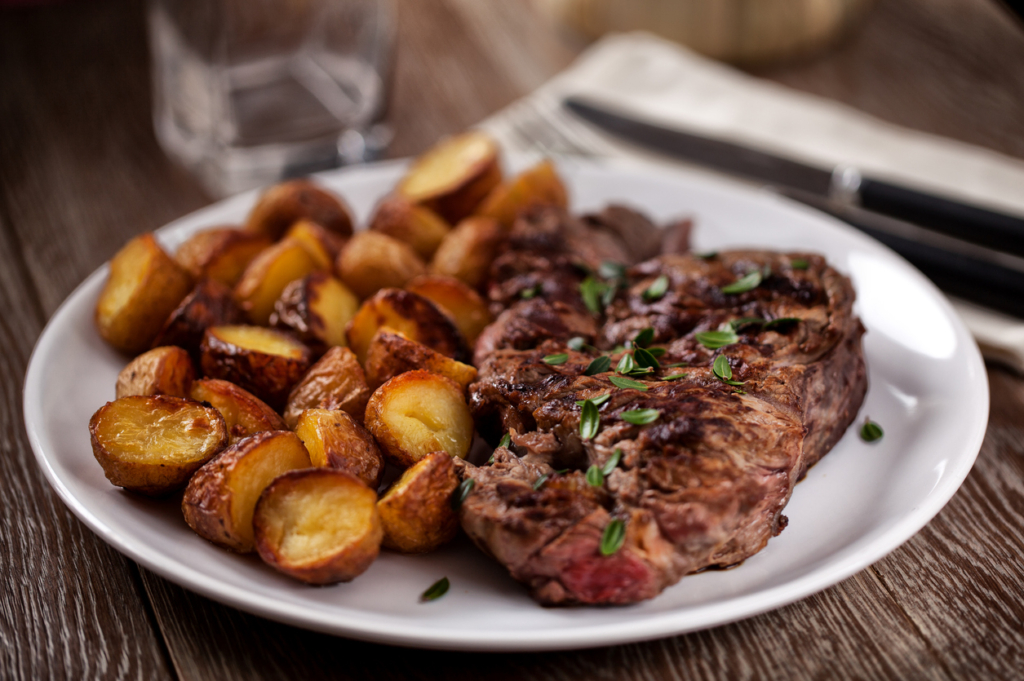
Red meats react differently to microwave heat. Their fibers and fats can dry out, lose flavor, and bacteria might survive if heating is uneven.
Reheat red meats in the oven or on a grill for the best results.
Spicy Chili or Pepper Dishes
Spicy foods like chili release more volatile compounds when reheated in the microwave due to capsaicin, which can irritate your eyes and nose.
Warm these dishes in a hot pan or with traditional methods to avoid discomfort.
Fried Foods
Fried foods often emit an unpleasant smell when microwaved, and their crispy coating usually loses its charm.
Using a pan or oven rack helps bring back that crispy texture you love.
If you need to reheat any of these foods, skip the microwave to keep their flavor and nutrients intact with safer methods.