My mom, a teacher, hoped I’d learn at least a few letters before starting school since my older brother learned to read over one summer. But I firmly told her, “Decide, Mom—either I learn this summer, or I start school in the fall. Which should it be?” She eventually gave up trying—but in return, she got a daughter who’s been a pretty good student her whole life.
Compared to that, Joseph Harris-Birtill probably won’t need much convincing to learn: this little guy just turned 2 and is already reading books—at an impressive level!
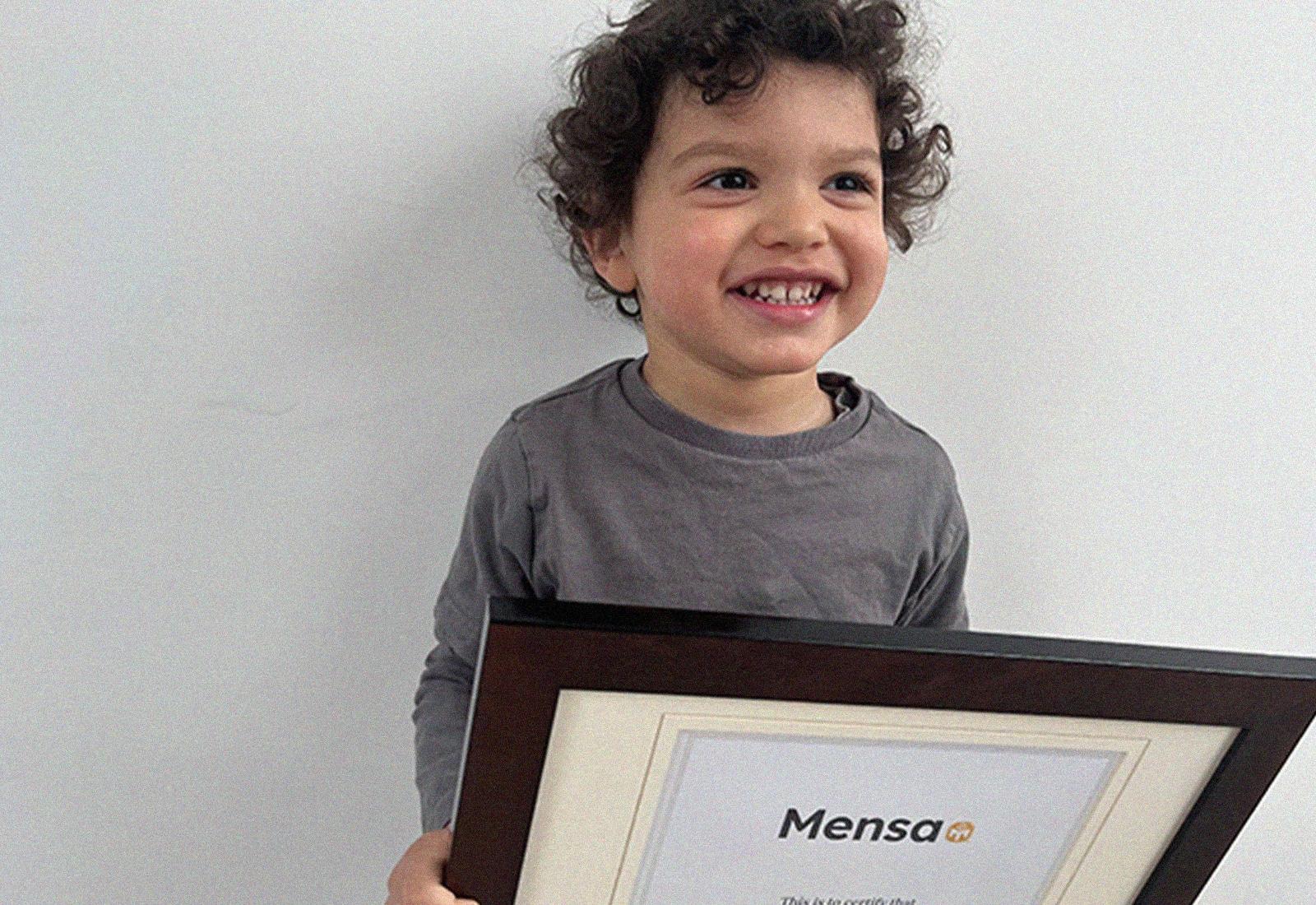
He’s the Youngest Person Ever Admitted to Mensa
Joseph recently joined Mensa, the world’s largest high-IQ society, becoming the youngest member in its history. “We hope this recognition will give him strength and confidence as he grows up,” his mom told Guinness World Records magazine.
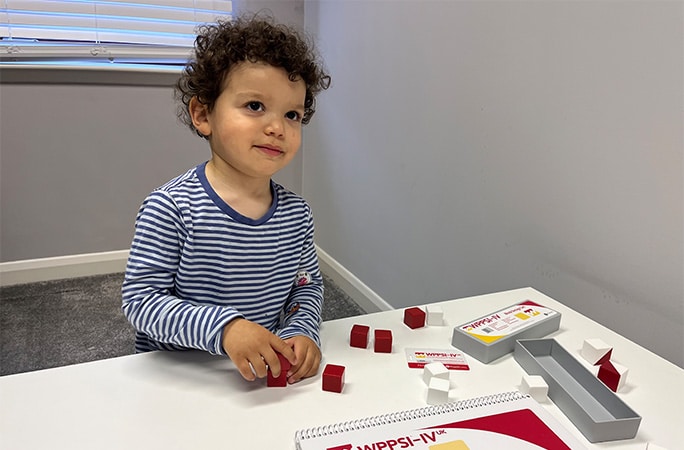
Previously, the record was held by Isla McNabb, an American girl who joined at 2 years and 195 days old. Joseph beat that by a few days after proving his intelligence ranks in the top 2% of the population. Based on his abilities, experts estimate his IQ is at least 132.
His parents, Rose and David, noticed early on that their son was different. He rolled over at 5 weeks, spoke his first words at 7 months, and before turning 2, he was reading a book aloud fluently from start to finish. If that’s not enough, he can count to 100 forwards and backwards and recite numbers up to 10 in five languages.
However, everyday knowledge seems a bit dull for Joseph lately. He’s now fascinated by Morse code, the Greek alphabet, and the periodic table. Plus, music captivates him, so he’s squeezing in some piano lessons too.
Joseph’s Development Compared to Typical Kids
Looking at Joseph’s progress alongside average children highlights the striking difference. Most babies can’t roll over until 3–4 months, say their first meaningful words around 1 year, and usually start learning to read between 5 and 6 years old.
What Does This Mean for Joseph’s Future?
As remarkable as Joseph’s talent is, his abilities don’t guarantee a smooth childhood. Traditional education systems are designed to help kids catch up, not to support those racing ahead. That’s why his parents are already seeking professional guidance to ensure he feels inspired and supported—not pressured—as he grows.
How Many Kids Like This Are There in the World?
True child prodigies are incredibly rare. Estimates suggest only 1 in 5 to 10 million children has exceptional intellectual abilities like Joseph’s, according to IFLScience. Genetics and environment together shape the unique brain structures behind such extraordinary achievements.
Is this good news or extra pressure for parents? That’s a matter of perspective. What’s clear is that real success depends not just on intelligence but on growing up in a loving, supportive environment.