
Curious, the author continued, when politicians will make decisions that support the traditional model where dad works and mom stays home to raise the kids. He believes this would reconnect both sides and restore family balance, leading women to have more children.
I felt a shiver down my spine. But this model only restores “dependence” one way. It would trap women financially, having more children not because they want to, but because the choice would no longer be theirs.
Sure, this might boost population growth, but at what cost—and who really benefits when more kids are born out of obligation?
That said, if population decline truly becomes a problem, I believe political steps can encourage having children—but never force it.
If we want women to feel safe and joyful having more kids, three key things need to change: sharing the workload, healthcare, and social recognition.
Fairer Sharing of Work at Home and Work
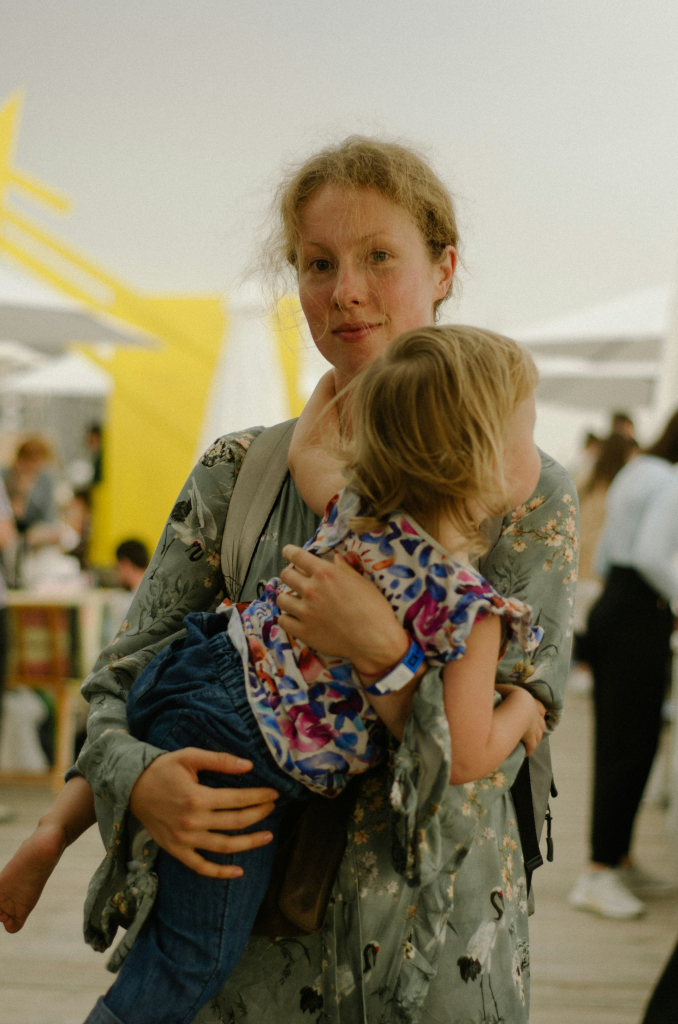
One of the biggest hurdles for women considering children is that parenting brings joy but also an unfair share of the burden—especially for moms. It’s still common for women to juggle full-time work while being the main person responsible for housework and childcare. Men—even well-meaning ones—often just “help out,” as if it’s not a shared job.
Real change would come if society supported dads staying home with a sick child just as naturally as moms do, and if they took longer parental leave too.
This means shifting workplace culture and also raising awareness in education, media, and law: having kids is a shared responsibility. When a woman sees she’s not alone in daily logistics and doesn’t have to fight for every bit of dad’s involvement, she’s more likely to choose to have more children.
Reliable, People-Centered Healthcare

Another major fear holding women back is the state of healthcare. Having a child—and raising one—is challenging even when everything goes smoothly. But when a simple pediatric visit means days of phone calls, unpredictability, and uncertainty, it’s more than inconvenient—it shakes a parent’s sense of security.
And we haven’t even touched on hospital stays, where respectful care and humane treatment are often missing. Moms frequently spend nights sitting on a chair, families bring their own supplies, and information is often scarce.
If a woman knew that if anything happened to her child, she’d face a transparent, supportive system—not a faceless, flawed one—she’d find it much easier to say: yes, I’ll have another.
Recognizing Mothers’ Competence in Society

Perhaps the least tangible yet most crucial factor is how much we value mothers. Today’s society often both over-idealizes and undervalues motherhood. We expect moms to be experts, self-sacrificing, always available, and perfect—yet constantly criticize how they do things. If they work, why aren’t they with their kids? If they stay home, why don’t they work? If they soothe, why don’t they let the child cry? If they let the child cry, why are they heartless?
Real social change would come from recognizing that mothers are capable.
They know their children best and can make good decisions—if we let them. Our role isn’t to question every step but to support them and accept that if we entrust them with the next generation, we must hand over the reins. Let’s stop interfering while expecting them to carry the responsibility instead of the critics.